
Building a Diabetes-Friendly Pantry: Essential Foods for Healthier Blood Sugar Management
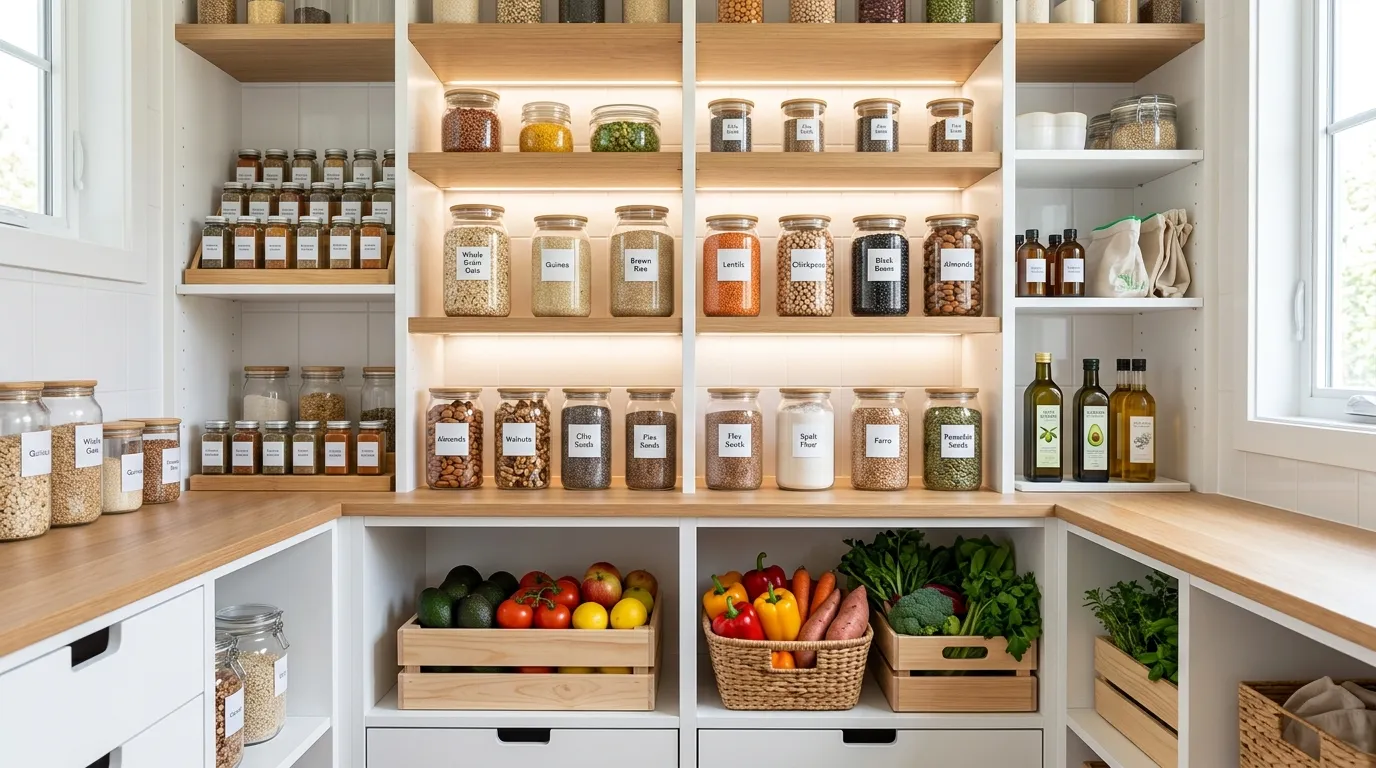
A well-stocked pantry can make healthy eating much easier—especially for people living with diabetes. When nutritious ingredients are readily available, you're more likely to prepare balanced meals at home and less likely to rely on highly processed convenience foods or last-minute takeout.
A diabetes-friendly pantry isn't about filling your shelves with specialty products or eliminating every treat. Instead, it's about keeping versatile, nutrient-rich foods on hand that support stable blood glucose levels and fit into a balanced eating pattern.
This guide explores the essential pantry staples that can help simplify meal planning, encourage healthier choices, and support long-term diabetes management.
Why Your Pantry Matters
Healthy eating often starts long before a meal is prepared.
The foods you keep in your kitchen influence your daily choices. If your pantry is stocked with nutritious ingredients, preparing a balanced breakfast, lunch, dinner, or snack becomes much easier.
A well-organized pantry can also help you:
- Reduce impulse purchases
- Save money by cooking at home
- Create balanced meals more quickly
- Keep healthy options available during busy weeks
- Reduce food waste through better planning
For people with diabetes, these habits can contribute to more consistent blood glucose management over time.
Start with Whole Grains
Whole grains contain more fiber than refined grains, which helps slow digestion and may reduce rapid increases in blood glucose after meals.
Consider keeping these pantry staples on hand:
- Brown rice
- Quinoa
- Old-fashioned oats
- Steel-cut oats
- Whole-grain pasta
- Whole-grain couscous
- Barley
- Bulgur
Choose products that list a whole grain as the first ingredient whenever possible.
Remember that portion size still matters. Even healthier carbohydrates should be eaten in amounts that fit your individual meal plan.
Stock Up on Beans and Legumes
Beans are among the most nutritious foods for people with diabetes.
They provide:
- Complex carbohydrates
- Plant-based protein
- Dietary fiber
- Iron
- Potassium
- Folate
- Pantry-friendly options include:
- Black beans
- Kidney beans
- Chickpeas
- Lentils
- Pinto beans
- Cannellini beans
- Split peas
Canned varieties are convenient, but choosing low-sodium products or rinsing canned beans before use can help reduce sodium intake.
Beans work well in soups, salads, grain bowls, tacos, and pasta dishes.
Choose Heart-Healthy Fats
People with diabetes have a higher risk of cardiovascular disease, making healthy fat choices especially important.
Keep these pantry staples available:
- Extra-virgin olive oil
- Avocado oil
- Natural peanut butter
- Almond butter
- Mixed nuts
- Walnuts
- Almonds
- Pistachios
- Pumpkin seeds
- Sunflower seeds
- Chia seeds
- Ground flaxseed
These foods provide unsaturated fats that can support heart health when used in appropriate portions.
Although nutritious, nuts and seeds are calorie-dense, so moderation remains important.
Keep Healthy Sources of Protein Available
Shelf-stable protein options make meal preparation much easier.
Consider storing:
- Canned tuna packed in water
- Canned salmon
- Sardines
- Low-sodium canned chicken
- Dry lentils
- Dry beans
- Shelf-stable tofu (if available)
Protein helps increase fullness and can slow the digestion of carbohydrates when included as part of balanced meals.
Frozen Foods Count Too
A diabetes-friendly pantry extends beyond dry goods.
Frozen fruits and vegetables are often just as nutritious as fresh produce because they're typically frozen shortly after harvest.
Helpful freezer staples include:
- Broccoli
- Green beans
- Spinach
- Mixed vegetables
- Cauliflower
- Brussels sprouts
- Berries
- Mixed fruit without added sugar
Having frozen produce available makes it easier to prepare healthy meals even when fresh ingredients aren't available.
Build Flavor with Herbs and Spices
Healthy food doesn't have to be bland.
Instead of relying heavily on salt or sugar, enhance meals with herbs and spices such as:
- Garlic powder
- Onion powder
- Paprika
- Black pepper
- Turmeric
- Cinnamon
- Oregano
- Basil
- Thyme
- Rosemary
- Cumin
- Chili powder
Many herbs and spices add flavor without increasing calories, carbohydrates, or sodium.
Choose Lower-Sodium Pantry Items
Many packaged foods contain significant amounts of sodium.
While sodium doesn't directly raise blood glucose, excessive intake may contribute to high blood pressure—a common concern for people with diabetes.
When shopping, compare Nutrition Facts labels and choose products labeled:
- Low sodium
- Reduced sodium
- No salt added
Rinsing canned vegetables and beans under running water can also help remove some of the added sodium.
Smart Pantry Snacks
Keeping healthier snacks readily available can help reduce the temptation to reach for highly processed foods between meals.
Some pantry-friendly snack ideas include:
- Unsalted mixed nuts
- Roasted chickpeas
- Whole-grain crackers
- Air-popped popcorn
- Nut butter
- Seeds
- Low-sugar protein bars (check Nutrition Facts labels carefully)
Pairing a healthy carbohydrate with protein or healthy fat can help create a more satisfying snack.
For example:
- Whole-grain crackers with peanut butter
- Apple slices with almond butter
- Roasted chickpeas with a small piece of fruit
- Foods to Limit in Your Pantry
Building a diabetes-friendly pantry doesn't require throwing away every indulgence. Instead, focus on stocking nutritious staples while limiting foods that are high in added sugars, refined carbohydrates, unhealthy fats, or sodium.
Foods to keep to a minimum include:
- Sugary breakfast cereals
- Candy and chocolate with high added sugar
- Cookies and pastries
- Potato chips and cheese puffs
- Sweetened instant oatmeal
- Regular soda and sugary drink mixes
- Sweetened coffee creamers
- Highly processed snack cakes
- Instant noodles with high sodium seasoning packets
Keeping these foods out of immediate reach—or buying them less often—can make healthier choices easier without making any food completely off-limits.
Read Nutrition Facts Labels
Nutrition Facts labels are valuable tools when selecting pantry items.
Pay close attention to:
- Serving Size
Many packaged foods contain multiple servings. Eating more than one serving means consuming more carbohydrates, calories, and sodium than listed.
Total Carbohydrates
This includes:
- Dietary fiber
- Naturally occurring sugars
- Added sugars
- Starches
- People managing diabetes often use total carbohydrates when planning meals.
- Dietary Fiber
Higher-fiber foods tend to support slower digestion and may help promote steadier blood glucose levels.
Aim for products that provide a good amount of fiber per serving whenever possible.
Added Sugars
Compare similar products and choose options with less added sugar when practical.
Small differences can add up over time.
Organize Your Pantry for Success
The way your pantry is arranged can influence your daily food choices.
Helpful organization strategies include:
- Keep Healthy Foods at Eye Level
- Place frequently used nutritious foods where they're easy to see and reach.
- Examples include:
- Whole grains
- Beans
- Nuts
- Healthy snacks
- Group Similar Foods Together
Store grains, canned goods, spices, snacks, and baking ingredients in separate areas to make meal preparation more efficient.
Rotate Older Items Forward
Use older products before opening new ones to reduce food waste.
Checking expiration dates every few months also helps ensure foods remain fresh.
Create Quick, Balanced Meals from Pantry Staples
A well-stocked pantry makes it easy to prepare nutritious meals even on busy days.
Here are a few simple ideas:
- Meal 1
- Brown rice
- Canned black beans
- Salsa
- Frozen vegetables
- Avocado
- Meal 2
- Whole-grain pasta
- Canned tuna
- Olive oil
- Garlic
- Spinach
- Meal 3
- Lentil soup
- Whole-grain crackers
- Side salad
- Meal 4
- Oatmeal
- Chia seeds
- Cinnamon
- Unsweetened nut butter
- Fresh or frozen berries
These meals combine carbohydrates, protein, healthy fats, and fiber to support balanced nutrition.
Prepare for Busy Days
Life doesn't always allow time for cooking from scratch.
Keeping convenient, nutritious ingredients available can help you avoid relying on fast food or highly processed meals.
Consider stocking:
- Low-sodium canned soups with beans or vegetables
- No-salt-added canned tomatoes
- Frozen vegetables
- Shelf-stable milk or unsweetened plant-based beverages
- Whole-grain crackers
- Single-serving tuna packets
These ingredients make it easier to assemble balanced meals in just a few minutes.
Plan Before You Shop
Creating a shopping list before visiting the grocery store can help you stay focused and avoid impulse purchases.
Before shopping:
- Check what you already have.
- Plan several meals for the coming week.
- Replace pantry staples that are running low.
- Compare Nutrition Facts labels between brands.
- Stick to your list whenever possible.
Shopping with a plan often saves both time and money while supporting healthier eating habits.
Remember That Balance Matters
No single food determines your diabetes management.
A healthy pantry should provide flexibility rather than strict rules.
It's perfectly reasonable to enjoy favorite foods occasionally while keeping nutritious staples as the foundation of your meals.
The goal isn't perfection—it's creating an environment that makes healthy choices easier most of the time.
Small improvements, maintained consistently, often lead to meaningful long-term health benefits.
Frequently Asked Questions
What are the best pantry staples for people with diabetes?
Whole grains, beans, lentils, canned fish, nuts, seeds, healthy oils, herbs, spices, and low-sodium canned vegetables are excellent staples for many people with diabetes.
Are canned foods okay?
Yes. Many canned foods are nutritious and convenient. Choose low-sodium or no-salt-added options when available, and rinse canned beans or vegetables to help reduce sodium.
Should I avoid all processed foods?
No. Some processed foods, such as frozen vegetables, canned beans, plain oatmeal, and whole-grain pasta, can be healthy choices. The key is selecting minimally processed options with less added sugar, unhealthy fats, and sodium.
How often should I restock my pantry?
Review your pantry every few weeks, replacing commonly used staples and checking expiration dates to ensure foods remain fresh.
Do I need special "diabetic" foods?
Generally, no. Most people with diabetes can build healthy meals using everyday foods available at any grocery store. Many products marketed specifically for diabetes offer little added benefit and may be more expensive.
Key Takeaways
A well-stocked pantry makes preparing balanced meals easier and can support long-term blood glucose management.
Prioritize whole grains, beans, lentils, healthy fats, shelf-stable proteins, herbs, and spices.
Frozen fruits and vegetables are convenient, nutritious additions to a diabetes-friendly kitchen.
Read Nutrition Facts labels to compare serving sizes, carbohydrates, fiber, added sugars, and sodium.
Organize your pantry so healthier options are easy to find and use.
Keep simple ingredients on hand to prepare balanced meals during busy weeks.
Focus on overall eating patterns rather than individual "good" or "bad" foods.
Building a diabetes-friendly pantry is about creating sustainable habits that make healthy choices more convenient.