
Diabetes and Chronic Fatigue: Why You May Feel Tired All the Time
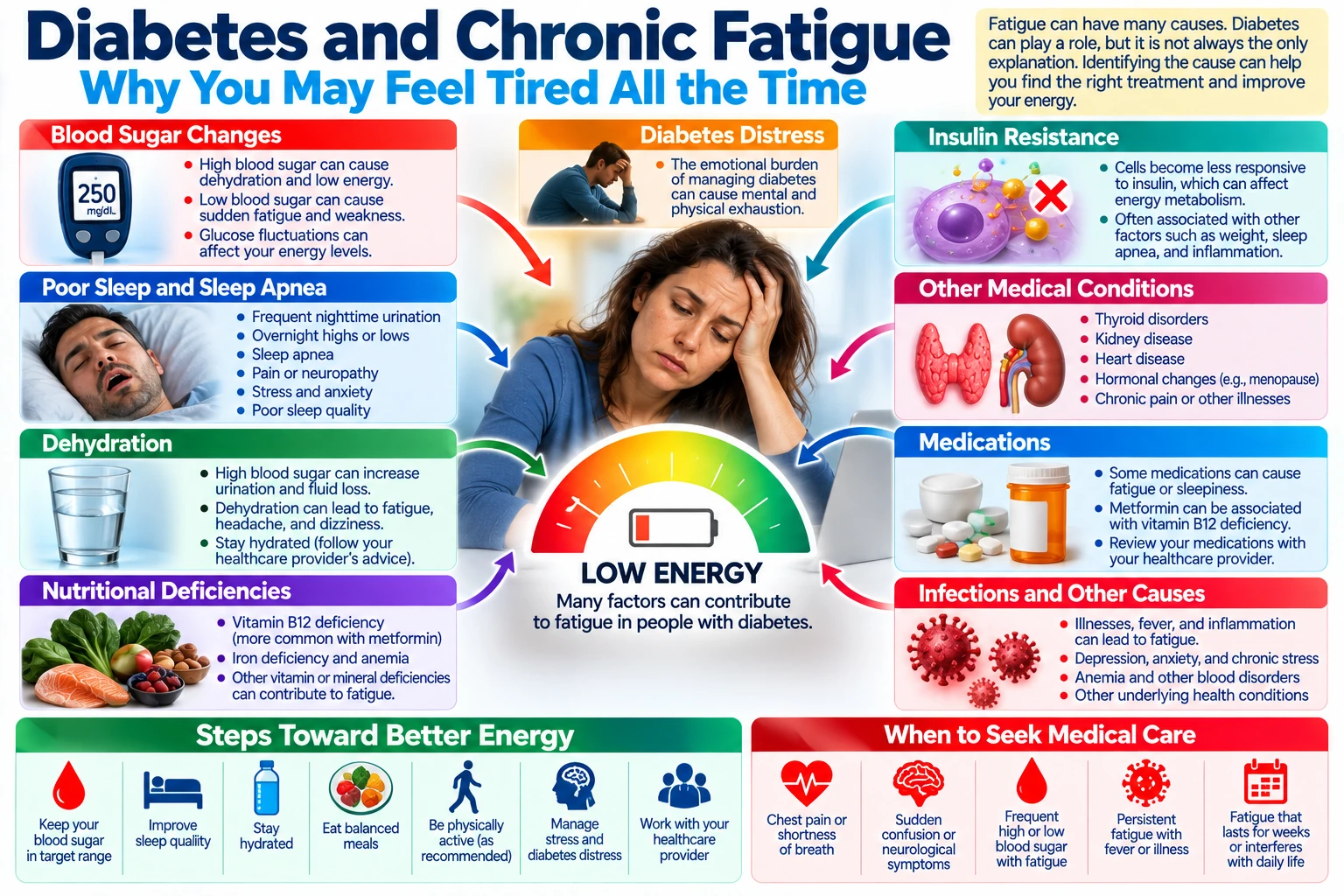
You wake up after what should have been a full night's sleep, but you already feel exhausted.
Getting through the morning feels difficult. By lunchtime, your energy is nearly gone. Even simple activities—preparing a meal, running errands, or concentrating at work—seem to require more effort than they should.
If you have diabetes, you may wonder:
“Is my diabetes making me tired all the time?”
The answer is that diabetes can contribute to fatigue, but it is not always the only explanation.
High blood sugar, hypoglycemia, dehydration, disrupted sleep, medication effects, and diabetes-related complications can all affect how energetic you feel.
Other conditions, including anemia, thyroid disorders, nutritional deficiencies, depression, and sleep apnea, can also contribute.
Sometimes several factors are happening at once.
Understanding the possible causes of fatigue is important because feeling constantly exhausted should not automatically be accepted as a normal part of living with diabetes.
What Is Chronic Fatigue?
Fatigue is more than simply feeling sleepy.
Ordinary tiredness often develops after physical activity, a demanding workday, or a night of insufficient sleep.
Fatigue can feel different.
You may experience:
- Persistent exhaustion
- Low physical energy
- Difficulty concentrating
- Reduced motivation
- Mental fog
- Heavy or weak-feeling muscles
- Difficulty completing ordinary activities
- Feeling unrefreshed after sleeping
- Needing more rest than usual
Fatigue can affect physical, mental, and emotional functioning.
The term chronic fatigue generally describes fatigue that persists over time, although definitions vary depending on the medical context.
It is also important to distinguish persistent fatigue from myalgic encephalomyelitis/chronic fatigue syndrome (ME/CFS), a specific medical condition with additional diagnostic features. Having long-lasting fatigue does not automatically mean someone has ME/CFS.
Can Diabetes Cause Chronic Fatigue?
Yes.
Diabetes can contribute to fatigue through several different mechanisms.
Some are directly related to glucose levels.
Others involve the broader effects of diabetes on the body.
Potential contributors include:
- Persistent hyperglycemia
- Hypoglycemia
- Glucose variability
- Dehydration
- Sleep disruption
- Kidney disease
- Cardiovascular conditions
- Medication effects
- Emotional distress
- Other medical conditions
The challenge is that fatigue is a nonspecific symptom.
You cannot reliably determine your glucose level or identify a complication simply because you feel exhausted.
High Blood Sugar Can Make You Feel Tired
One possible explanation for fatigue is hyperglycemia, or elevated blood glucose.
Glucose is an important source of energy for the body's cells.
Insulin helps many tissues take up and use glucose appropriately.
When diabetes is not adequately controlled, glucose regulation becomes disrupted.
Despite elevated glucose in the bloodstream, the body's normal energy metabolism may not function efficiently.
Significant hyperglycemia can also produce symptoms that contribute to fatigue.
These include:
- Frequent urination
- Increased thirst
- Dehydration
- Blurred vision
- Difficulty concentrating
- General weakness
A person may therefore feel exhausted even though their blood glucose is elevated.
Why High Glucose Can Cause Dehydration
When blood glucose becomes sufficiently elevated, excess glucose passes into the urine.
This draws additional water out of the body.
The process is called osmotic diuresis.
It can lead to:
High glucose → increased urination → fluid loss → dehydration
Dehydration can contribute to:
- Fatigue
- Dizziness
- Headache
- Weakness
- Reduced concentration
- Increased thirst
If you feel unusually tired and are also urinating frequently or feeling very thirsty, checking your glucose can provide important information.
Don't Assume Every High Reading Explains Fatigue
A single elevated glucose reading does not necessarily explain persistent exhaustion.
For example, someone may experience fatigue because of poor sleep while also having mildly elevated glucose.
The two findings may coexist without one fully explaining the other.
Look for patterns rather than drawing conclusions from a single measurement.
Low Blood Sugar Can Cause Sudden Fatigue
Hypoglycemia can also produce fatigue.
For many people with diabetes, glucose below 70 mg/dL (3.9 mmol/L) is considered low and requires appropriate action.
Low glucose may cause symptoms such as:
- Weakness
- Shakiness
- Sweating
- Hunger
- Dizziness
- Irritability
- Difficulty concentrating
- Confusion
- Fatigue
Because the brain depends heavily on glucose, significant hypoglycemia can interfere with normal neurological functioning.
Why a Low Can Leave You Feeling Drained
Some people feel exhausted after experiencing hypoglycemia.
Even after glucose returns to the target range, they may report:
- Tiredness
- Mental fog
- Headache
- Weakness
- Reduced concentration
Recovery time varies.
However, persistent or unusual symptoms should not automatically be attributed to a previous low.
If symptoms do not improve after glucose correction, another problem may need evaluation.
Repeated Hypoglycemia Can Disrupt Daily Life
Frequent lows can interfere with:
- Sleep
- Exercise
- Work
- Driving
- Concentration
- Confidence in diabetes management
Repeated episodes may also lead people to change their behavior because they fear another low.
For example, someone might avoid exercise or intentionally maintain higher glucose levels.
If hypoglycemia occurs regularly, discuss your treatment plan with your diabetes care team.
Glucose Fluctuations and Energy Levels
Some people notice that their energy seems to change when glucose rises or falls.
They may feel reasonably well at one point and exhausted a few hours later.
Continuous glucose monitoring can sometimes help identify whether these experiences coincide with glucose patterns.
However, fatigue alone cannot establish that glucose variability is responsible.
Other factors—including meals, activity, sleep, stress, and medications—may influence both glucose and energy.
Can You Feel Tired Even When Your Glucose Is Normal?
Absolutely.
This is one of the most important points in the article.
Having glucose within your usual target range does not guarantee that you will feel energetic.
You may still experience fatigue because of:
- Sleep apnea
- Insomnia
- Anemia
- Thyroid disease
- Vitamin deficiencies
- Kidney disease
- Heart disease
- Depression
- Medication effects
- Chronic pain
- Other illnesses
If your glucose readings are generally stable but fatigue persists, it may be time to look beyond diabetes management.
Insulin Resistance and Fatigue
Insulin resistance is a central feature of Type 2 diabetes.
It occurs when cells become less responsive to insulin.
The pancreas may initially compensate by producing more insulin.
Over time, glucose regulation may become increasingly difficult.
People with insulin resistance may also have conditions associated with fatigue, including obesity, sleep apnea, metabolic dysfunction, and chronic inflammation.
However, fatigue by itself cannot diagnose insulin resistance.
Nor does feeling tired after a meal necessarily mean insulin resistance is the cause.
Why You May Feel Tired After Eating
Post-meal tiredness is common, including among people without diabetes.
Possible contributors include:
- Large meals
- Sleep deprivation
- Normal changes in alertness
- Alcohol
- Medication effects
- Glucose changes
- Blood pressure changes
Some people experience noticeable glucose increases after eating, while others may develop hypoglycemia depending on their medications and circumstances.
Track Post-Meal Fatigue Without Guessing
If you frequently become exhausted after meals, record:
- What you ate
- Meal timing
- Glucose before eating
- Glucose afterward when appropriate
- Medications
- Sleep the night before
- Other symptoms
This can help distinguish glucose-related patterns from other explanations.
Avoid repeatedly changing insulin doses or skipping meals based solely on feeling sleepy.
Diabetes and Poor Sleep
Sleep is one of the biggest factors influencing daily energy.
Unfortunately, diabetes can interfere with sleep in several ways.
Possible contributors include:
- Frequent nighttime urination
- Overnight hypoglycemia
- Hyperglycemia
- Neuropathy pain
- CGM alarms
- Stress
- Sleep apnea
Someone may spend eight hours in bed but still experience fragmented, poor-quality sleep.
Frequent Nighttime Urination Can Disrupt Rest
When glucose is significantly elevated, increased urination may continue overnight.
Repeated bathroom trips interrupt sleep.
Even if each awakening lasts only a few minutes, multiple interruptions can affect sleep quality.
If nighttime urination is frequent, discuss it with your healthcare provider.
High glucose is one possibility, but bladder problems, sleep disorders, medications, and other conditions may also contribute.
Sleep Apnea Is an Important Consideration
Obstructive sleep apnea causes repeated episodes of reduced or blocked airflow during sleep.
These interruptions can reduce sleep quality and contribute to daytime fatigue.
Sleep apnea is particularly relevant because it is common among people with Type 2 diabetes.
Possible symptoms include:
- Loud snoring
- Gasping or choking during sleep
- Witnessed breathing pauses
- Morning headaches
- Dry mouth on waking
- Excessive daytime sleepiness
- Difficulty concentrating
Not everyone with sleep apnea realizes their breathing is being interrupted.
Sometimes a partner notices the symptoms first.
Why Sleep Apnea Can Leave You Exhausted
Sleep apnea repeatedly disrupts normal sleep and may lower oxygen levels.
The result can be:
- Unrefreshing sleep
- Daytime sleepiness
- Reduced attention
- Morning headaches
- Mood changes
- Difficulty maintaining energy
If you regularly wake exhausted despite spending enough time in bed, sleep apnea deserves consideration.
A healthcare professional may recommend sleep testing when symptoms and risk factors suggest it.
Insomnia Can Also Contribute
Not everyone with fatigue has sleep apnea.
Insomnia can involve:
- Difficulty falling asleep
- Difficulty staying asleep
- Waking too early
- Poor sleep quality
Stress, chronic pain, irregular schedules, and other medical conditions can contribute.
If sleep difficulties persist, discuss evidence-based treatment options with your healthcare provider.
Diabetes Burnout and Emotional Exhaustion
Managing diabetes requires ongoing attention.
You may need to think about:
- Medications
- Glucose readings
- Food choices
- Exercise
- Appointments
- Insurance
- Medical expenses
- Complication prevention
This ongoing responsibility can become emotionally exhausting.
The term diabetes distress describes the emotional burden associated with living with and managing diabetes.
Emotional Fatigue Is Still Real Fatigue
Diabetes distress can affect motivation, concentration, sleep, and the ability to manage daily tasks.
Someone may feel exhausted by the constant decisions required to manage their condition.
This does not mean they are lazy or unmotivated.
It means the psychological burden of chronic disease can have meaningful effects on daily functioning.
Support from healthcare professionals, diabetes educators, mental health professionals, and trusted people can help.
Depression Can Also Cause Persistent Fatigue
Depression may cause:
- Low energy
- Sleep changes
- Difficulty concentrating
- Reduced interest in activities
- Changes in appetite
- Feelings of hopelessness
Depression and diabetes can coexist.
If fatigue is accompanied by persistent low mood, loss of interest, or other emotional changes, discuss these symptoms with a healthcare professional.
Mental health is part of diabetes care.
Kidney Disease Can Contribute to Fatigue
The kidneys perform several important functions.
They help:
- Remove waste products
- Regulate fluid balance
- Maintain electrolyte levels
- Support blood pressure regulation
- Produce hormones involved in red blood cell production
When kidney function becomes impaired, fatigue may develop through several mechanisms.
Early Kidney Disease May Cause No Symptoms
Diabetes is a major cause of chronic kidney disease.
However, early diabetic kidney disease often produces no obvious symptoms.
That means fatigue is not a reliable early screening tool.
Kidney health is generally assessed using tests such as:
- Estimated glomerular filtration rate (eGFR)
- Urine albumin-to-creatinine ratio (UACR)
These tests can identify kidney abnormalities before symptoms appear.
Advanced Kidney Disease May Affect Energy
As kidney function declines, fatigue can become more noticeable.
Possible contributors include:
- Anemia
- Waste-product accumulation
- Electrolyte abnormalities
- Sleep problems
- Poor appetite
- Other medical complications
A person with advanced kidney disease may feel physically drained even when glucose readings are relatively stable.
Anemia Is Another Important Cause
Anemia occurs when the body does not have enough healthy red blood cells or hemoglobin to carry oxygen effectively.
Possible symptoms include:
- Fatigue
- Weakness
- Shortness of breath with activity
- Dizziness
- Paleness
- Rapid heartbeat
Anemia has many possible causes.
These include:
- Iron deficiency
- Vitamin B12 deficiency
- Chronic kidney disease
- Blood loss
- Other medical conditions
Why Kidney Disease Can Cause Anemia
Healthy kidneys produce a hormone called erythropoietin.
This hormone helps stimulate red blood cell production.
When kidney function becomes significantly impaired, erythropoietin production may decrease.
This can contribute to anemia.
If fatigue occurs alongside kidney disease, healthcare professionals may evaluate hemoglobin and other relevant laboratory results.
Vitamin B12 Deficiency and Metformin
Vitamin B12 is essential for:
- Red blood cell production
- Nerve function
- Normal neurological health
Deficiency can cause:
- Fatigue
- Weakness
- Numbness
- Tingling
- Balance difficulties
- Cognitive symptoms
Long-term metformin use can be associated with lower vitamin B12 levels in some people.
Should You Stop Metformin If You're Tired?
No—not simply because you feel fatigued.
Metformin is an established diabetes medication, and fatigue has many possible causes.
If vitamin B12 deficiency is suspected, a healthcare professional can order appropriate testing.
When deficiency is identified, treatment may involve supplementation.
Do not discontinue prescribed diabetes medication without medical guidance.
Thyroid Problems Can Cause Fatigue
The thyroid gland produces hormones that help regulate metabolism.
When thyroid hormone production is too low, the condition is called hypothyroidism.
Possible symptoms include:
- Persistent fatigue
- Feeling unusually cold
- Constipation
- Dry skin
- Weight gain
- Slower thinking
- Muscle aches
Thyroid disorders are particularly relevant in people with Type 1 diabetes because autoimmune thyroid disease can occur alongside autoimmune diabetes.
Fatigue and Thyroid Disease Can Look Similar to Diabetes Symptoms
Many symptoms overlap.
For example:
- Fatigue
- Weight changes
- Concentration difficulties
- Mood changes
may occur with either thyroid disorders or diabetes-related problems.
Blood testing can help distinguish these conditions.
Heart Disease Can Also Cause Low Energy
People with diabetes have an increased risk of cardiovascular disease.
Certain heart conditions can reduce exercise tolerance and contribute to fatigue.
Heart failure, for example, may cause:
- Fatigue
- Shortness of breath
- Reduced ability to exercise
- Swelling in the legs
- Difficulty breathing while lying flat
New fatigue accompanied by breathlessness, chest discomfort, or other cardiovascular symptoms should not be dismissed as ordinary diabetes tiredness.
Medication Side Effects May Contribute
Some medications can cause fatigue, sleepiness, or reduced energy.
Possible examples include certain:
- Blood pressure medications
- Pain medications
- Sleep medications
- Antihistamines
- Psychiatric medications
- Other prescription drugs
Diabetes medications may also contribute indirectly if they cause hypoglycemia.
If fatigue began after starting or changing a medication, note the timing and discuss it with your healthcare provider or pharmacist.
Don't Stop Medication Without Guidance
Even if you suspect a medication is making you tired, do not automatically stop taking it.
Some medications require gradual adjustment.
Others provide important cardiovascular, kidney, or diabetes benefits.
A medication review can help identify whether a change is appropriate.
Could Dehydration Be the Main Problem?
Dehydration is sometimes overlooked.
Possible causes include:
- High glucose
- Excessive urination
- Vomiting
- Diarrhea
- Fever
- Heavy sweating
- Inadequate fluid intake
Dehydration may cause:
- Fatigue
- Thirst
- Dry mouth
- Dizziness
- Headache
- Reduced concentration
However, some people with heart or kidney disease require individualized fluid recommendations.
Do not dramatically increase fluid intake if you have been advised to restrict fluids.
Fatigue During Illness
When you are sick, the immune system uses energy to respond to infection.
Fatigue is common during:
- Colds
- Influenza
- Other viral illnesses
- Bacterial infections
- Fever
Illness can also disrupt glucose management.
This means fatigue and elevated glucose may occur together without glucose being the only cause.
Follow your diabetes sick-day plan and seek medical advice when appropriate.
When Fatigue Signals a Diabetes Emergency
Most fatigue is not an emergency.
However, severe or unusual exhaustion can occur during serious diabetes complications.
Two important examples are:
- Diabetic ketoacidosis (DKA)
- Hyperosmolar hyperglycemic state (HHS)
These conditions require urgent medical treatment.
Diabetic Ketoacidosis and Severe Fatigue
DKA develops when there is insufficient effective insulin and excessive ketones accumulate.
Possible symptoms include:
- High glucose, although DKA can sometimes occur without marked hyperglycemia
- Excessive thirst
- Frequent urination
- Nausea
- Vomiting
- Abdominal pain
- Deep or unusual breathing
- Fruity-smelling breath
- Weakness
- Confusion
Severe fatigue accompanied by these symptoms requires urgent evaluation.
People using SGLT2 inhibitors should be aware that ketoacidosis can sometimes occur even when glucose is not extremely elevated.
Hyperosmolar Hyperglycemic State
HHS involves severe hyperglycemia and dehydration, often with significant changes in mental status.
Possible symptoms include:
- Extreme thirst
- Frequent urination
- Profound weakness
- Severe dehydration
- Confusion
- Drowsiness
- Seizures
- Altered consciousness
HHS is a medical emergency.
It should never be treated as ordinary fatigue.
Sudden Fatigue With Other Serious Symptoms
Seek emergency medical care for fatigue accompanied by:
- Chest pain or pressure
- Severe shortness of breath
- Fainting
- Sudden confusion
- New one-sided weakness
- Difficulty speaking
- Loss of consciousness
- Signs of DKA or HHS
Do not wait for symptoms to improve simply because you suspect glucose is responsible.
Keep a Fatigue and Glucose Diary
If fatigue occurs frequently, tracking symptoms can provide useful clues.
Record:
- Time of day
- Glucose reading
- CGM trend
- Sleep duration
- Sleep quality
- Meals
- Hydration
- Physical activity
- Medications
- Stress
- Other symptoms
You do not need to track every detail indefinitely.
A short record covering recurring episodes may help identify patterns worth discussing with your healthcare provider.
Ask Yourself: What Kind of Tiredness Is This?
Not all fatigue feels the same.
Sleepiness
You feel like you could fall asleep.
Possible contributors include poor sleep, sleep apnea, or sedating medications.
Physical exhaustion
Your body feels drained, and ordinary activities require more effort.
Possible contributors include anemia, illness, deconditioning, cardiovascular problems, and other conditions.
Mental fatigue
Concentrating, remembering information, or making decisions feels difficult.
Possible contributors include poor sleep, stress, depression, glucose disturbances, and other medical conditions.
Sudden weakness
You experience an abrupt loss of strength or ability to function.
This deserves particular attention, especially when accompanied by neurological symptoms or severe hypoglycemia.
These categories overlap, but describing your experience can make medical evaluation more useful.
When Should You Contact Your Healthcare Provider?
Make an appointment if fatigue:
- Persists for several weeks
- Is getting worse
- Interferes with daily activities
- Continues despite adequate sleep
- Occurs with stable glucose readings
- Is associated with unexplained weight changes
- Comes with persistent dizziness
- Is accompanied by shortness of breath
- Begins after a medication change
- Occurs with symptoms suggesting anemia or thyroid disease
Persistent fatigue deserves evaluation rather than being automatically attributed to diabetes.
The Most Important Lesson
Diabetes can contribute to fatigue, but not every tired feeling is caused by blood sugar.
High glucose may lead to dehydration and reduced well-being.
Low glucose may cause sudden weakness, shakiness, and exhaustion.
Sleep disruption, anemia, kidney disease, thyroid problems, nutritional deficiencies, medication effects, and emotional distress may also contribute.
Sometimes several factors overlap.
The most useful approach is to ask:
What is my glucose doing?
Am I sleeping well?
Has my fatigue changed recently?
Are there other symptoms?
Could a medication or another health condition be contributing?
Those questions can help you and your healthcare team identify the next steps.
Can Diabetes-Related Fatigue Be Improved?
In many cases, yes.
However, the most effective approach depends on what is causing the fatigue.
Someone experiencing exhaustion because of repeated hypoglycemia may need adjustments to their diabetes treatment plan.
Someone with sleep apnea may benefit from sleep-specific treatment.
Someone with anemia, thyroid disease, or vitamin B12 deficiency may need treatment directed at that condition.
And someone experiencing diabetes distress may benefit from emotional support and a more manageable diabetes routine.
There is no single treatment that works for every person with diabetes-related fatigue.
The goal is to identify contributing factors, address treatable causes, and develop habits that support more consistent energy.
Start With Your Glucose Patterns
If you frequently feel exhausted, reviewing your glucose data can be a useful first step.
Look for patterns such as:
- Fatigue during prolonged hyperglycemia
- Weakness during hypoglycemia
- Tiredness after certain meals
- Overnight glucose disturbances
- Fatigue following exercise
- Repeated glucose fluctuations
A glucose meter or continuous glucose monitor (CGM) may help you determine whether symptoms consistently coincide with glucose changes.
However, glucose data is only one piece of the puzzle.
If your glucose readings are generally within your individualized target range but fatigue continues, another cause may need investigation.
Avoid Chasing Perfect Glucose Numbers
It can be tempting to assume that lower glucose readings will automatically produce more energy.
But glucose management is not about achieving the lowest possible number.
Overly aggressive treatment may increase the risk of hypoglycemia, which can itself cause weakness, fatigue, confusion, and other problems.
Your glucose targets should consider:
- Age
- Diabetes type
- Medications
- Hypoglycemia risk
- Other medical conditions
- Personal circumstances
Work with your healthcare team to establish realistic, safe goals.
Review Repeated Highs and Lows
Frequent glucose excursions may indicate that your treatment plan needs review.
Potential contributors include:
- Medication timing
- Insulin doses
- Meal patterns
- Physical activity
- Illness
- Stress
- Sleep changes
Rather than making large medication changes independently, bring the patterns to your diabetes care team.
Adjustments may help reduce symptoms and improve glucose stability.
Build Meals That Support Steadier Energy
Nutrition can influence both glucose management and how you feel throughout the day.
A balanced eating pattern may help reduce large glucose excursions while providing nutrients needed for normal body function.
For many people, a practical meal includes:
- Nonstarchy vegetables
- A source of protein
- Fiber-rich carbohydrate foods
- Appropriate portions of healthy fats
Examples include grilled fish with vegetables and brown rice, or a bean-and-vegetable bowl with a protein source.
There is no single meal plan that works for everyone with diabetes.
Don't Eliminate All Carbohydrates to Fight Fatigue
Carbohydrates are an important source of energy.
The goal of diabetes nutrition planning is generally to choose appropriate types and amounts rather than assume all carbohydrates are harmful.
Depending on your diabetes treatment and nutritional needs, options may include:
- Whole grains
- Beans
- Lentils
- Vegetables
- Fruit
- Milk or unsweetened yogurt
Carbohydrate needs vary.
People using insulin may need to coordinate carbohydrate intake with medication dosing.
Protein Supports Muscle Health
Protein helps maintain and repair body tissues, including muscle.
Adequate protein intake can be particularly important for people experiencing:
- Muscle loss
- Reduced strength
- Recovery from illness
- Older age
- Unintentional weight loss
Possible protein sources include:
- Fish
- Poultry
- Eggs
- Tofu
- Beans
- Lentils
- Yogurt
However, people with certain kidney conditions may need individualized protein recommendations.
Avoid starting a high-protein diet without discussing it with your healthcare team if you have kidney disease.
Don't Skip Meals Without Considering Your Medication
Skipping meals can contribute to low energy for some people.
It may also increase hypoglycemia risk when using insulin or certain glucose-lowering medications.
If your appetite is poor or your schedule makes regular meals difficult, ask your diabetes care team how to manage your medications safely.
Intermittent fasting or prolonged meal skipping is not automatically appropriate for everyone with diabetes.
Fatigue After Meals: Look at the Pattern
If you regularly feel sleepy after eating, consider whether the symptom occurs:
- After particularly large meals
- After carbohydrate-heavy meals
- During glucose increases
- During glucose decreases
- After poor sleep
- At the same time every afternoon
Some post-meal sleepiness is normal.
But severe or persistent symptoms deserve evaluation, particularly when accompanied by dizziness, sweating, confusion, or other concerning signs.
Stay Appropriately Hydrated
Dehydration can make fatigue worse.
For people with diabetes, elevated glucose may increase urination and fluid loss.
Additional fluid loss may occur through:
- Sweating
- Exercise
- Fever
- Vomiting
- Diarrhea
- Hot weather
Water is often a good everyday beverage choice.
However, fluid requirements depend on individual health conditions.
People with heart failure or advanced kidney disease may need specific fluid recommendations.
Watch for Signs of Dehydration
Possible symptoms include:
- Increased thirst
- Dry mouth
- Dark urine
- Dizziness
- Headache
- Weakness
- Reduced urination in more severe cases
Urine color is only a rough clue and can be influenced by medications, foods, and other factors.
If dehydration is severe or accompanied by confusion, fainting, or inability to keep fluids down, seek medical care.
Can Drinking More Water Cure Diabetes Fatigue?
Not necessarily.
If dehydration is contributing to fatigue, correcting it may help.
But drinking extra water will not correct anemia, sleep apnea, thyroid disease, or other underlying conditions.
Avoid treating persistent exhaustion as a hydration problem without considering other causes.
Physical Activity Can Help Improve Energy
When you feel exhausted, exercise may be the last thing you want to do.
However, appropriate physical activity can improve:
- Cardiovascular fitness
- Muscle strength
- Sleep quality
- Mood
- Glucose management
- Daily functioning
Regular movement can also help reduce deconditioning, which occurs when prolonged inactivity lowers physical fitness and makes ordinary activities more tiring.
The key is to begin at a level that matches your health and abilities.
Start With Small, Manageable Activities
If your healthcare professional has confirmed that activity is appropriate, consider beginning with:
- Short walks
- Gentle stretching
- Chair exercises
- Light resistance training
- Easy cycling
- Low-impact movement
You do not need to complete an intense workout to benefit from movement.
For some people, several short activity sessions are more manageable than one long session.
Avoid the Push-and-Crash Cycle
A common mistake is trying to compensate for several low-energy days by doing too much when energy temporarily improves.
This can leave someone feeling exhausted afterward.
A more sustainable approach may involve:
- Gradually increasing activity
- Taking appropriate breaks
- Monitoring symptoms
- Allowing recovery time
- Adjusting activity to medical limitations
Importantly, people who experience post-exertional malaise—a marked worsening of symptoms after physical or mental exertion—should seek medical evaluation. Standard graded exercise advice may be inappropriate for conditions such as ME/CFS.
Strength Training Can Support Daily Function
Muscle weakness and low physical fitness can make ordinary tasks feel more demanding.
Appropriate resistance exercise may improve strength and functional ability.
Examples include:
- Sit-to-stand movements
- Resistance-band exercises
- Light weights
- Wall push-ups
- Supervised strength training
People with significant neuropathy, cardiovascular disease, retinopathy, or other complications may need modifications.
Ask your healthcare team about safe exercise options.
Monitor Glucose Around Exercise When Needed
Physical activity can affect glucose differently depending on:
- Diabetes type
- Medication
- Exercise intensity
- Duration
- Recent meals
- Individual physiology
Some activities lower glucose.
Others may temporarily raise it.
People using insulin or medications that can cause hypoglycemia may need additional glucose monitoring and a plan for treating lows.
Do not exercise through significant hypoglycemia or symptoms suggesting a medical emergency.
Sleep Should Be Part of Your Fatigue Plan
If fatigue is persistent, improving sleep quality may be just as important as reviewing glucose patterns.
Helpful habits can include:
- Maintaining a consistent sleep schedule
- Creating a comfortable sleep environment
- Reducing late caffeine intake
- Limiting alcohol near bedtime
- Developing a relaxing bedtime routine
- Addressing nighttime pain
- Reviewing overnight glucose patterns
However, sleep habits alone may not resolve fatigue caused by an untreated sleep disorder.
When Sleep Apnea Needs Treatment
If you have symptoms such as loud snoring, witnessed breathing pauses, gasping during sleep, or excessive daytime sleepiness, ask whether sleep testing is appropriate.
Treatment for obstructive sleep apnea may include:
- Continuous positive airway pressure (CPAP)
- Other positive airway pressure treatments
- Oral appliances in selected cases
- Weight management when appropriate
- Positional therapy
- Other specialist-directed interventions
Treating sleep apnea may improve sleepiness and daily functioning.
Don't Assume Eight Hours Means Good Sleep
Sleep duration and sleep quality are different.
Someone may spend eight hours in bed but repeatedly wake because of:
- Sleep apnea
- Nocturia
- Pain
- Anxiety
- Restless legs
- Glucose alarms
- Other sleep disturbances
If you consistently wake unrefreshed, tell your healthcare provider.
Review Your Diabetes Technology Settings
For people using CGM, repeated nighttime alerts can interrupt sleep.
However, alarms can also provide important protection against hypoglycemia.
If alerts frequently disturb your sleep, discuss settings and glucose patterns with your diabetes team.
The goal is to reduce unnecessary disruptions without disabling essential safety alerts.
Manage Diabetes Distress
Diabetes management can become mentally exhausting.
Some people feel overwhelmed by constant decisions involving:
- Food
- Medications
- Glucose readings
- Appointments
- Insurance
- Supplies
- Complication prevention
If diabetes feels like an endless list of responsibilities, talk with your healthcare team.
Sometimes simplifying the treatment routine or receiving additional support can reduce the burden.
Small Changes Can Reduce Mental Fatigue
Consider practical strategies such as:
- Using medication reminders
- Organizing supplies in one place
- Preparing meals in advance
- Keeping a simple appointment calendar
- Asking for help with administrative tasks
- Discussing overwhelming treatment steps with your clinician
The goal is not to ignore diabetes.
It is to make daily management more sustainable.
Emotional Support Matters
Persistent fatigue can affect relationships, work, and mental health.
Likewise, depression, anxiety, and chronic stress can contribute to fatigue.
If emotional symptoms are affecting daily functioning, support may include:
- Counseling
- Diabetes education
- Peer support
- Mental health treatment
- Adjustments to the diabetes care plan
Mental health support is a legitimate part of chronic disease management.
What About Caffeine?
Caffeine may temporarily improve alertness.
However, it does not correct the underlying cause of chronic fatigue.
Excessive caffeine may contribute to:
- Insomnia
- Anxiety
- Palpitations
- Jitteriness
- Sleep disruption
Using caffeine late in the day may create a cycle of poor sleep followed by greater fatigue the next morning.
If you depend on increasing amounts of caffeine to function, consider discussing your fatigue with a healthcare professional.
Are Energy Drinks a Good Solution?
Energy drinks are not a reliable treatment for chronic fatigue.
Some contain:
- Large amounts of caffeine
- Added sugar
- Other stimulants
- Herbal ingredients
These products may affect sleep, heart rate, blood pressure, or glucose management.
Read labels carefully and avoid relying on energy drinks to compensate for unexplained exhaustion.
Should You Take Vitamins for Energy?
Vitamins are essential for normal body function.
But taking extra vitamins does not necessarily improve energy when no deficiency is present.
Fatigue can be associated with deficiencies such as:
- Vitamin B12 deficiency
- Iron deficiency
- Other nutritional deficiencies
The appropriate treatment depends on identifying the deficiency and its cause.
Be Careful With Iron Supplements
Iron deficiency can cause anemia and fatigue.
However, not everyone with fatigue needs iron.
Taking iron unnecessarily can cause side effects and may be harmful in certain circumstances.
A healthcare professional may recommend tests such as a complete blood count and iron studies when clinically indicated.
Metformin and Vitamin B12 Monitoring
Long-term metformin use can contribute to lower vitamin B12 levels in some people.
B12 deficiency may cause:
- Fatigue
- Anemia
- Tingling
- Numbness
- Balance problems
If you use metformin and experience persistent fatigue, particularly with neurological symptoms or anemia, ask whether B12 testing is appropriate.
Do not stop metformin without medical advice.
Medication Reviews Can Reveal Hidden Causes
Some medications can cause:
- Sleepiness
- Weakness
- Dizziness
- Reduced alertness
- Low blood pressure
A healthcare professional or pharmacist can review your medication list.
Bring information about:
- Prescription medications
- Over-the-counter drugs
- Supplements
- Recent dose changes
- When fatigue began
Sometimes the timing of symptoms provides an important clue.
What Medical Tests May Help Identify Fatigue?
There is no single blood test that explains every case of fatigue.
Testing depends on your symptoms, medical history, physical examination, and risk factors.
A clinician may consider several evaluations.
Complete Blood Count (CBC)
A CBC can help identify anemia and certain other blood abnormalities.
Kidney Function Testing
Tests may include serum creatinine and estimated glomerular filtration rate (eGFR).
Urine albumin testing may also be appropriate as part of routine diabetes kidney screening.
Thyroid Testing
Thyroid-stimulating hormone (TSH) and other thyroid tests may be ordered when thyroid disease is suspected.
Vitamin B12 Testing
B12 assessment may be appropriate for people with risk factors, including long-term metformin use, anemia, or neuropathic symptoms.
Iron Studies
Iron testing may help when iron deficiency is suspected.
Glucose and A1C Review
Glucose records and A1C can provide information about diabetes management.
However, A1C alone does not reveal every episode of hypoglycemia or glucose variability.
Other Tests
Depending on the clinical situation, testing may include:
- Electrolytes
- Liver function
- Inflammatory markers
- Additional nutritional assessments
- Sleep testing
- Cardiovascular evaluation
Not everyone needs all these tests.
Testing should be individualized.
What If All Your Tests Are Normal?
Normal initial test results can be reassuring, but they do not mean your fatigue is imaginary.
Some causes of fatigue are not identified through routine blood tests.
For example:
- Sleep disorders
- Medication effects
- Depression
- Chronic pain
- Post-viral conditions
- Certain autonomic disorders
may require further assessment.
If symptoms persist, discuss what additional evaluation or follow-up is appropriate.
When Should You See a Specialist?
Depending on the suspected cause, your healthcare provider may recommend:
- An endocrinologist for complex diabetes or thyroid issues
- A sleep specialist for suspected sleep apnea
- A nephrologist for significant kidney disease
- A cardiologist for possible heart-related symptoms
- A hematologist for certain blood disorders
- A mental health professional for depression or diabetes distress
Specialist care is not necessary for every person with fatigue.
Your primary care or diabetes clinician can often begin the evaluation.
Energy Conservation Can Help During Difficult Days
When fatigue is interfering with daily life, conserving energy can make tasks more manageable.
Consider:
- Prioritizing essential activities
- Breaking large tasks into smaller steps
- Sitting during activities when practical
- Planning rest periods
- Spreading demanding tasks across the day
- Asking for help when needed
These strategies are intended to support daily functioning while the cause is being evaluated or treated.
Don't Ignore Unintentional Weight Loss
Fatigue accompanied by unexplained weight loss deserves medical evaluation.
Possible explanations include:
- Significant hyperglycemia
- Thyroid disease
- Infection
- Malabsorption
- Other medical conditions
Unintentional weight loss should not automatically be considered a positive outcome simply because someone has Type 2 diabetes.
When Should You Contact Your Healthcare Provider?
Arrange medical evaluation when fatigue:
- Persists for several weeks
- Progressively worsens
- Interferes with work or daily activities
- Continues despite adequate sleep
- Is associated with frequent glucose highs or lows
- Occurs with unexplained weight loss
- Is accompanied by dizziness or weakness
- Begins after medication changes
- Occurs with symptoms of anemia or thyroid disease
- Makes ordinary activities unusually difficult
New, substantial fatigue may warrant earlier assessment, especially if you have significant heart, kidney, or other medical conditions.
When Is Fatigue an Emergency?
Seek emergency medical attention if fatigue occurs with:
- Chest pain or pressure
- Severe shortness of breath
- Fainting
- Sudden confusion
- New one-sided weakness
- Difficulty speaking
- Loss of consciousness
- Severe dehydration
- Persistent vomiting with signs of DKA
- Severe hypoglycemia requiring assistance
These symptoms may indicate conditions that require immediate treatment.
A Practical Daily Energy Checklist
If fatigue is recurring, consider these questions:
1. Glucose: Have I checked whether my symptoms coincide with high or low glucose?
2. Sleep: Am I getting adequate, restorative sleep?
3. Hydration: Am I drinking appropriately for my health needs?
4. Nutrition: Am I eating enough and getting balanced nutrition?
5. Activity: Am I moving regularly without overexerting myself?
6. Medications: Could a recent medication change be contributing?
7. Other symptoms: Am I experiencing breathlessness, dizziness, mood changes, or unexplained weight changes?
8. Medical follow-up: Has persistent fatigue been evaluated rather than assumed to be diabetes-related?
You do not need to solve every possible cause yourself.
The checklist is a way to organize useful information for your healthcare team.
Frequently Asked Questions
Does diabetes cause constant tiredness?
Diabetes can contribute to persistent fatigue through high glucose, hypoglycemia, dehydration, sleep disruption, complications, and other factors. However, constant tiredness is not always caused by diabetes and may require further evaluation.
Why am I so tired even when my blood sugar is normal?
Normal glucose does not rule out other causes of fatigue. Sleep apnea, anemia, thyroid disease, kidney problems, medication effects, depression, and other conditions can cause exhaustion even when glucose is within your target range.
Can high blood sugar make you feel exhausted?
Yes. Significant hyperglycemia can contribute to fatigue, particularly when accompanied by dehydration, frequent urination, and other symptoms.
Can low blood sugar make you tired?
Yes. Hypoglycemia can cause weakness, difficulty concentrating, shakiness, and fatigue. Some people also feel drained after a low has been corrected.
Why do I feel tired after eating?
Post-meal fatigue may relate to meal size, sleep quality, glucose changes, medications, or other factors. Repeated or severe symptoms deserve evaluation.
Is fatigue a symptom of Type 2 diabetes?
Fatigue can occur with Type 2 diabetes, including when glucose is elevated. However, fatigue alone cannot diagnose diabetes.
Can Type 1 diabetes cause fatigue?
Yes. People with Type 1 diabetes may experience fatigue related to hyperglycemia, hypoglycemia, sleep disruption, emotional burden, or other medical conditions.
Does insulin resistance make you tired?
Fatigue can coexist with insulin resistance, but tiredness alone is not a reliable indicator of insulin resistance. Other associated conditions may contribute.
Can metformin cause fatigue?
Metformin is not generally considered a direct cause of chronic fatigue, but long-term use can contribute to vitamin B12 deficiency in some people. If deficiency develops, fatigue or neurological symptoms may occur.
Can kidney disease cause extreme fatigue?
Yes. More advanced kidney disease can contribute to fatigue through anemia, metabolic abnormalities, sleep disturbances, and other mechanisms. Early kidney disease may cause no symptoms.
Why do I wake up tired every morning?
Possible explanations include sleep apnea, insomnia, fragmented sleep, nighttime glucose disturbances, medications, and other conditions. Persistent unrefreshing sleep deserves medical evaluation.
Can diabetes burnout cause physical exhaustion?
Diabetes distress can contribute to emotional and mental fatigue, sleep problems, and reduced motivation. It may also coexist with medical causes of physical exhaustion.
Will exercise improve diabetes fatigue?
Appropriate physical activity may improve fitness, strength, mood, and sleep. However, unexplained severe fatigue, significant medical complications, or post-exertional symptom worsening may require evaluation and an individualized activity plan.
Do vitamins help with diabetes fatigue?
Vitamins may help when a specific deficiency is present. Taking supplements without an identified deficiency is not a reliable treatment for persistent fatigue.
What tests should I ask about?
Depending on your symptoms, your healthcare professional may consider a complete blood count, kidney function, thyroid testing, vitamin B12, iron studies, glucose review, or sleep evaluation.
How long should I wait before seeing a doctor?
Fatigue that persists for several weeks, worsens, or interferes with daily functioning should be evaluated. Seek care sooner if symptoms are severe, new, or accompanied by concerning changes.
When is fatigue dangerous?
Fatigue accompanied by chest pain, severe breathlessness, fainting, sudden confusion, neurological symptoms, severe dehydration, or signs of a diabetes emergency requires immediate medical attention.
Key Takeaways
Fatigue is common among people with diabetes, but persistent exhaustion should not automatically be accepted as normal.
Both high and low glucose can contribute to tiredness.
Significant hyperglycemia may cause dehydration and weakness, while hypoglycemia can produce sudden fatigue, shakiness, confusion, and other symptoms.
However, stable glucose readings do not rule out other causes.
Sleep apnea, anemia, kidney disease, thyroid disorders, vitamin B12 deficiency, medication effects, and mental health concerns may all contribute to chronic fatigue.
Long-term metformin use can be associated with vitamin B12 deficiency, making testing appropriate in selected situations.
A balanced eating pattern, appropriate hydration, restorative sleep, and individualized physical activity can support daily energy.
But lifestyle changes cannot replace treatment for an underlying medical condition.
If fatigue persists, a healthcare professional may recommend blood tests, medication review, sleep evaluation, or other investigations.
Tracking fatigue alongside glucose readings, meals, sleep, and activity can help identify useful patterns.
Seek emergency medical attention when fatigue occurs with chest pain, severe shortness of breath, fainting, sudden neurological symptoms, severe hypoglycemia, or signs of DKA or HHS.
Most importantly, remember:
Feeling tired is a symptom—not a diagnosis.
You do not have to assume that every exhausting day is simply part of having diabetes.
Identifying the cause is the first step toward finding the right treatment and improving your quality of life.
DiabetesAdvocates.care does not provide medical advice, diagnosis, or treatment. Please consult with your healthcare provider for questions and personalized medical advice.