
Diabetes and Dental Health: Why Blood Sugar Matters for Your Teeth and Gums
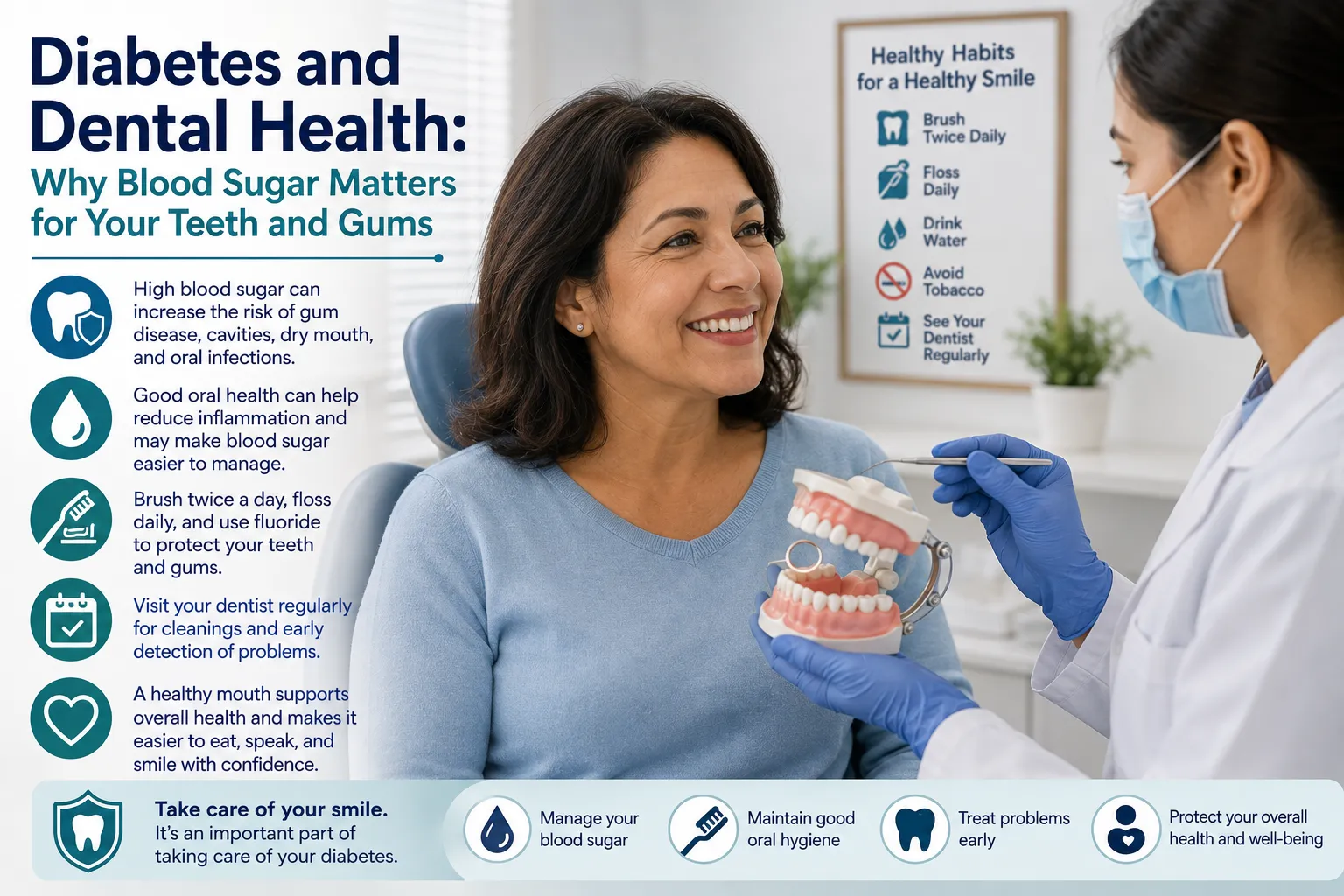
When you think about diabetes complications, your teeth and gums may not be the first things that come to mind.
Most people are familiar with the importance of protecting the heart, kidneys, eyes, nerves, and feet. But diabetes can affect the mouth as well.
People with diabetes have an increased risk of several oral health problems, particularly when blood glucose remains elevated over time. These problems may include gum disease, tooth decay, dry mouth, fungal infections, and slower healing after certain dental procedures.
The relationship can also work in the other direction.
Serious gum disease causes inflammation and may make blood glucose more difficult to manage. This is why oral health and diabetes management should not be treated as completely separate issues.
Fortunately, many dental problems can be prevented or identified early.
Managing glucose, brushing and cleaning between your teeth consistently, avoiding tobacco, and receiving appropriate professional dental care can all help protect your smile.
How Does Diabetes Affect Your Mouth?
Diabetes can affect oral health through several mechanisms.
Persistently elevated blood glucose can affect:
- Blood vessels
- Immune function
- Inflammation
- Saliva production
- Healing
- The environment in which oral bacteria grow
When glucose levels are high in the blood, glucose levels in saliva may also increase.
Bacteria in dental plaque can use sugars as an energy source. Some of these bacteria contribute to tooth decay and gum disease.
At the same time, diabetes can interfere with the body's ability to fight infection effectively.
The result is an environment in which certain dental problems may develop more easily or become more severe.
The Connection Between Diabetes and Gum Disease
One of the most important oral health concerns associated with diabetes is periodontal disease, commonly called gum disease.
Gum disease begins when plaque accumulates around the teeth and gumline.
Plaque is a sticky film containing bacteria.
If it is not removed consistently, the gums can become irritated and inflamed.
The earliest stage is called gingivitis.
Possible signs include:
- Red gums
- Swollen gums
- Tender gums
- Bleeding when brushing or flossing
Gingivitis can often be reversed with improved oral hygiene and professional dental care.
If inflammation progresses deeper into the tissues supporting the teeth, it can develop into periodontitis.
Periodontitis is more serious.
It can damage the gums, connective tissues, and bone that hold teeth in place.
Why Is Gum Disease More Concerning with Diabetes?
Diabetes and periodontal disease have a particularly important relationship.
People with diabetes are at greater risk for gum disease, especially when glucose is not well managed.
Diabetes can alter the body's inflammatory and immune responses, potentially making gum infections more difficult to control.
Periodontitis can eventually cause:
- Gum recession
- Bone loss
- Loose teeth
- Changes in the way teeth fit together
- Difficulty chewing
- Tooth loss
- The risk is not a reason to assume dental problems are inevitable.
- Instead, it makes prevention and early detection particularly important.
- Gum Disease and Blood Sugar Can Influence Each Other
The relationship between diabetes and gum disease is often described as two-way.
Diabetes can increase the risk and severity of periodontal disease.
At the same time, severe periodontal inflammation may make glucose management more difficult.
Treating periodontal disease is important primarily because it protects the gums, bone, teeth, and overall oral health. Some research has also found improvements in glycemic measures after periodontal treatment, although the size and consistency of this effect can vary.
The practical message is straightforward:
- Taking care of your gums is part of taking care of your diabetes.
- Warning Signs of Gum Disease
Gum disease can progress without severe pain, particularly in its earlier stages.
That makes it easy to ignore.
Watch for:
- Red or swollen gums
- Bleeding when brushing
- Bleeding when flossing
- Gum tenderness
- Receding gums
- Persistent bad breath
- Loose teeth
- New spaces between teeth
- Pain when chewing
- Changes in your bite
- Changes in how dentures fit
- Bleeding gums should not automatically be considered normal.
Occasional irritation can occur, but persistent bleeding deserves attention from a dental professional.
Diabetes and Tooth Decay
Diabetes may also increase the risk of cavities.
When glucose levels are elevated, the amount of glucose in saliva may increase.
Bacteria in plaque metabolize sugars and produce acids.
These acids can gradually damage tooth enamel, leading to decay.
Dry mouth can make the problem worse because saliva normally helps:
- Wash away food particles
- Neutralize acids
- Protect tooth surfaces
- Control the oral environment
According to CDC data, adults with diabetes have a higher likelihood of untreated cavities than adults without diabetes.
Preventing cavities therefore involves both daily dental hygiene and appropriate diabetes management.
Why Dry Mouth Matters
Dry mouth, medically called xerostomia, occurs when the mouth does not have enough saliva.
Symptoms may include:
- A dry or sticky feeling
- Frequent thirst
- Difficulty swallowing dry foods
- Cracked lips
- Mouth soreness
- Changes in taste
- Difficulty speaking comfortably
- Persistent bad breath
- Diabetes can contribute to dry mouth, particularly when glucose is elevated.
- However, diabetes is not the only possible cause.
Many medications can reduce saliva production, including medications used for conditions that commonly occur alongside diabetes.
Saliva Does More Than Keep Your Mouth Comfortable
Saliva plays an important protective role.
It helps:
- Wash food debris from the mouth
- Neutralize acids
- Protect tooth enamel
- Control microorganisms
- Make chewing and swallowing easier
When saliva production decreases, the risk of cavities and oral infections can increase.
Persistent dry mouth is therefore more than an inconvenience.
If your mouth frequently feels dry, tell both your dentist and healthcare provider.
They can help identify possible causes and recommend appropriate strategies.
What Can Help with Dry Mouth?
The best treatment depends on the cause.
General strategies may include:
- Drinking appropriate amounts of water
- Using sugar-free gum when appropriate
- Using saliva substitutes or moisturizing products
- Avoiding tobacco
- Limiting substances that worsen dryness
- Maintaining excellent oral hygiene
- Using fluoride products recommended by your dentist
- Do not stop a medication simply because you think it is causing dry mouth.
- Discuss the problem with your healthcare provider or pharmacist first.
- An alternative medication or other strategy may sometimes be available.
- Diabetes and Oral Thrush
People with diabetes may also be more susceptible to certain fungal infections, including oral candidiasis, commonly called thrush.
Candida normally exists in small amounts in many people's mouths.
Under certain conditions, it can grow excessively and cause infection.
Possible symptoms include:
- White patches inside the mouth
- Red or sore areas
- Burning
- Cracking at the corners of the mouth
- Changes in taste
- Discomfort while eating
Elevated glucose, dry mouth, dentures, certain medications, and immune changes may increase susceptibility.
Do not assume every white or painful area in your mouth is thrush.
Persistent mouth lesions should be evaluated because several conditions can produce similar symptoms.
Healing After Dental Procedures
Diabetes can affect wound healing, particularly when glucose is significantly elevated.
This may matter after procedures such as:
- Tooth extraction
- Gum surgery
- Dental implants
- Other oral surgery
Many people with well-managed diabetes undergo dental procedures without major difficulty.
However, your dentist needs to know about your diabetes before treatment.
Depending on the procedure and your health, your dentist may ask about:
- Your recent glucose management
- A1C
- Diabetes medications
- Insulin use
- History of hypoglycemia
- Other diabetes complications
- Current infections
Your dentist and medical healthcare team may sometimes need to coordinate your care.
Tell Your Dentist You Have Diabetes
Your dentist is part of your healthcare team.
Make sure your dental office knows:
- That you have diabetes
- Which type of diabetes you have
- Which medications you take
- Whether you use insulin
- Whether you experience frequent hypoglycemia
- Whether you have significant diabetes complications
- Whether your medical treatment recently changed
- You should also update your dentist when medications change.
- This information can help the dental team plan treatment safely.
- Diabetes and Dental Appointments
For routine appointments, people with diabetes should generally continue their normal diabetes routine unless specifically instructed otherwise.
The American Dental Association notes that patients should generally eat normally before routine dental appointments and take scheduled diabetes medications unless their medical or dental team has provided different instructions.
This can be especially important for people taking insulin or medications that can cause hypoglycemia.
If a procedure requires fasting or will make it difficult to eat afterward, you may need an individualized plan.
Ask ahead of time:
Should I eat normally?
Should I take my usual medication?
Will I be able to eat afterward?
Do I need to adjust insulin?
How should I manage glucose during recovery?
Do not make significant medication changes on your own.
Hypoglycemia at the Dentist
Dental appointments can sometimes interfere with normal meal timing.
For someone using insulin or certain diabetes medications, this may increase the risk of low blood glucose.
Possible symptoms include:
- Shaking
- Sweating
- Hunger
- Dizziness
- Irritability
- Confusion
- Weakness
- Tell the dental team if you are at risk for hypoglycemia.
Bring your usual glucose monitoring equipment and fast-acting carbohydrate if that is part of your diabetes safety plan.
If you feel symptoms during an appointment, tell the dental staff immediately rather than trying to continue through the procedure.
Brushing Is One of Your Best Defenses
Daily plaque removal is essential.
Brush your teeth twice a day with fluoride toothpaste.
Use a soft-bristled toothbrush and clean all surfaces of the teeth gently and thoroughly.
Brushing too aggressively does not clean teeth better.
Hard scrubbing can irritate gums and contribute to wear along the gumline.
Whether you use an electric or manual toothbrush matters less than whether you use it effectively and consistently.
Replace the toothbrush or brush head when the bristles become worn.
Don't Forget Between Your Teeth
A toothbrush cannot effectively clean every surface between teeth.
Daily interdental cleaning helps remove plaque from areas the toothbrush cannot reach.
Traditional dental floss is one option.
Depending on your teeth, dexterity, dental work, and preferences, your dentist may recommend alternatives such as:
- Interdental brushes
- Floss holders
- Water flossers
- Other interdental cleaning devices
Ask your dentist or dental hygienist to demonstrate the technique if you are unsure.
The best method is one that safely cleans between your teeth and that you can use consistently.
Should Your Gums Bleed When You Floss?
Many people stop flossing because their gums bleed.
However, bleeding can be a sign of gum inflammation.
If you have recently begun cleaning between your teeth, mild bleeding may initially occur.
Persistent or substantial bleeding should be evaluated.
Do not simply avoid the area indefinitely because it bleeds.
Your dental professional can determine whether gum disease or another issue is present.
Smoking Makes the Risk Worse
Smoking is harmful to oral health and diabetes management.
Tobacco increases the risk of periodontal disease and can interfere with healing.
It also substantially increases cardiovascular and other health risks for people with diabetes.
If you smoke, quitting is one of the most important steps you can take for your mouth and your overall health.
Ask your healthcare team about evidence-based smoking cessation support.
Regular Dental Care Matters Even When Nothing Hurts
Waiting for tooth pain before seeing a dentist can allow preventable problems to progress.
Gum disease in particular may become significant before it causes obvious discomfort.
Regular dental examinations and professional cleanings allow dental professionals to look for:
- Gum inflammation
- Periodontal pockets
- Cavities
- Tooth damage
- Dry mouth
- Oral infections
- Suspicious lesions
- Changes in existing dental work
- How frequently you need dental visits depends on your individual oral health.
- Some people may need more frequent periodontal care than others.
- Ask your dentist what schedule is appropriate for you.
- Diabetes and Dentures
- People who wear dentures still need regular dental care.
Dentures can sometimes create areas where food, plaque, and microorganisms accumulate. Poorly fitting dentures may also irritate the gums and other tissues inside the mouth.
For someone with diabetes, irritation combined with elevated glucose or dry mouth may make oral problems more troublesome.
If you wear dentures:
- Clean them according to your dentist's instructions.
- Remove them as recommended.
- Clean your gums, tongue, and remaining teeth.
- Attend regular dental examinations.
- Tell your dentist about persistent soreness.
- Have the fit checked if dentures become loose or uncomfortable.
Changes in body weight, bone, and gum tissue can alter how dentures fit over time.
Persistent redness, sores, or white patches underneath dentures should be evaluated rather than ignored.
Can People with Diabetes Get Dental Implants?
Dental implants are artificial tooth replacements anchored into the jawbone.
Having diabetes does not automatically prevent someone from receiving dental implants.
However, several factors can influence whether an implant is appropriate, including:
- Glucose management
- Gum health
- Bone health
- Smoking
- Overall medical health
- Ability to maintain good oral hygiene
Because implants depend on successful healing and integration with the surrounding bone, poorly managed diabetes may increase the risk of healing problems or complications in some patients.
If you're considering implants, make sure the dental professional performing the procedure understands your diabetes history.
Your dentist may coordinate with your medical healthcare team when appropriate.
Tooth Extractions and Oral Surgery
Sometimes a tooth needs to be removed because of severe decay, infection, trauma, or advanced periodontal disease.
Most people with diabetes can undergo dental extractions and oral surgery safely when appropriate precautions are taken.
Before the procedure, tell your dental team about:
- Your diabetes diagnosis
- Your medications
- Insulin use
- Recent glucose patterns
- History of hypoglycemia
- Other medical conditions
- Ask how eating may be affected after the procedure.
If you normally take insulin or medications that can cause hypoglycemia but will have difficulty eating afterward, you may need specific instructions from your healthcare team.
Do not guess how to adjust insulin or medication.
Watch for Problems During Healing
After an extraction or other dental procedure, follow the dentist's aftercare instructions carefully.
Contact the dental office if you develop symptoms such as:
- Increasing swelling
- Worsening pain
- Persistent bleeding
- Fever
- Pus or unusual drainage
- Bad taste associated with worsening symptoms
- Difficulty swallowing
- Difficulty opening your mouth
- Healing that appears significantly delayed
Seek urgent care for severe swelling that interferes with breathing or swallowing.
People with diabetes should not assume that every slow-healing dental problem is simply caused by diabetes.
Complications and infections require appropriate evaluation.
Do People with Diabetes Need Antibiotics Before Dental Work?
Not routinely simply because they have diabetes.
Antibiotics may be appropriate for certain infections or particular medical circumstances, but diabetes alone does not mean everyone needs preventive antibiotics before routine dental treatment.
Unnecessary antibiotic use can contribute to side effects and antibiotic resistance.
Your dentist and healthcare provider can determine whether antibiotics are appropriate based on your specific medical situation and planned procedure.
Fluoride Helps Protect Teeth
Fluoride strengthens tooth enamel and helps protect against cavities.
For most adults, brushing twice daily with fluoride toothpaste is an important preventive measure.
Some people at particularly high risk for cavities may benefit from additional fluoride treatments.
A dentist may recommend:
- Professional fluoride applications
- Prescription-strength fluoride toothpaste
- Other fluoride products
This may be particularly useful for someone experiencing significant dry mouth or recurrent tooth decay.
Use fluoride products according to professional recommendations.
Does Mouthwash Help?
Mouthwash can be useful for some people, but it does not replace brushing and cleaning between the teeth.
Different mouth rinses serve different purposes.
Some are designed to:
- Help prevent cavities
- Reduce certain oral bacteria
- Help manage gingivitis
- Freshen breath
- Relieve dry mouth
If you experience dry mouth, some alcohol-containing rinses may feel irritating or worsen dryness.
Ask your dentist which type of mouthwash, if any, is appropriate for your needs.
Diet Affects Both Glucose and Teeth
Many nutritional habits that support diabetes management also support dental health.
Frequent exposure to sugary foods and beverages provides oral bacteria with carbohydrates they can metabolize into acids.
These acids can contribute to tooth decay.
This doesn't mean someone with diabetes can never eat a sweet food.
Instead, consider the overall pattern.
Frequently sipping a sugary beverage throughout the day repeatedly exposes teeth to sugar and acid.
For routine hydration, water is generally a tooth-friendly and diabetes-friendly option.
Balanced meals containing nutrient-dense foods can support both oral and overall health.
Beware of Constant Snacking and Sipping
The frequency of carbohydrate exposure can matter for dental health.
Every time certain carbohydrates are consumed, bacteria in dental plaque can produce acids.
Repeatedly sipping sugary beverages or grazing on sweets throughout the day may therefore create frequent acid exposure.
If you need snacks because of your diabetes treatment plan, do not eliminate medically necessary food.
Instead, discuss appropriate snack choices with your healthcare team or registered dietitian and maintain good oral hygiene.
Sugar-Free Gum May Help Some People
Chewing sugar-free gum can stimulate saliva production.
This may help some people with dry mouth and can assist the mouth's natural cleansing process.
Products containing certain sugar substitutes, such as xylitol, do not promote tooth decay in the same way as ordinary sugar.
However, gum is not appropriate for everyone.
People with jaw problems, swallowing difficulties, certain dental work, or other concerns should ask their dentist whether chewing gum is appropriate.
Sugar-free gum also does not replace brushing or interdental cleaning.
What About Bad Breath?
Persistent bad breath—known medically as halitosis—can have many causes.
These may include:
- Gum disease
- Dry mouth
- Tooth decay
- Oral infection
- Tobacco
- Certain foods
- Other medical conditions
Simply using mouthwash may temporarily cover the odor without addressing the cause.
If bad breath persists despite good oral hygiene, mention it to your dentist.
An oral examination may identify a treatable problem.
Diabetes and Changes in Taste
Some people with diabetes report changes in taste.
However, altered taste can have many causes, including:
- Medications
- Dry mouth
- Oral infections
- Dental problems
- Aging
- Respiratory infections
- Other medical conditions
- A change in taste may affect food choices and appetite.
If it persists, tell your healthcare provider or dentist rather than assuming diabetes is responsible.
Don't Ignore Mouth Sores
Most minor mouth sores heal on their own.
A sore, lump, red area, white patch, or other oral change that does not heal should be evaluated.
As a general rule, persistent oral lesions—particularly those lasting around two weeks or longer—deserve professional attention.
This is especially important for people who use tobacco or have other risk factors for oral cancer.
Dental visits are not only about cavities.
Dentists also examine the tissues of the mouth for abnormalities that may require further evaluation.
When Is a Dental Problem an Emergency?
Some dental problems require prompt or urgent attention.
Contact a dentist promptly for:
- Severe tooth pain
- Significant facial or gum swelling
- Dental trauma
- A broken tooth causing substantial pain
- Signs of spreading infection
- Uncontrolled bleeding after dental treatment
Seek emergency medical care if swelling interferes with breathing or swallowing, or if you develop other signs of a severe systemic infection.
Do not attempt to manage a serious dental infection simply by improving your glucose levels.
Dental infections require appropriate dental treatment.
Build a Simple Daily Oral-Care Routine
Good dental care doesn't need to be complicated.
A practical routine might include:
- Morning
- Brush thoroughly with fluoride toothpaste.
- During the day
Drink water as appropriate for your medical needs and limit frequent exposure to sugary drinks.
Evening
Brush again with fluoride toothpaste and clean between your teeth using floss or another dentist-recommended method.
Regularly
Check your mouth for unusual changes and attend professional dental appointments on the schedule recommended by your dentist.
Consistency matters more than having an elaborate collection of dental products.
Don't Let Dental Anxiety Keep You Away
Dental anxiety is common.
Some people avoid appointments for years because they are embarrassed about the condition of their teeth or afraid of pain.
Delaying care can allow small problems to become more complicated.
If you are anxious, tell the dental office when scheduling your appointment.
Dental professionals may be able to:
- Explain procedures in advance
- Take breaks
- Use strategies to reduce discomfort
- Discuss options for managing anxiety
- Divide treatment into manageable visits
- You do not need to wait until your teeth are “good enough” to see a dentist.
- The purpose of dental care is to help.
- Keep Your Dentist and Medical Team Informed
- Diabetes management often involves several healthcare professionals.
Your dentist may need information from your physician or diabetes care team, particularly before complex procedures.
Likewise, your medical team should know if you have:
- Significant periodontal disease
- Recurrent oral infections
- Difficulty eating because of dental problems
- Planned oral surgery
- Major changes in your oral health
Communication becomes especially important when dental treatment affects eating or medication schedules.
A Healthy Mouth Can Make Healthy Eating Easier
Oral health can directly affect nutrition.
Loose teeth, painful gums, missing teeth, or poorly fitting dentures can make certain foods difficult to chew.
Someone may begin avoiding:
- Raw vegetables
- Fresh fruit
- Nuts
- Lean meats
- Other nutritious foods
and instead choose softer foods that may not always align with their nutritional goals.
Protecting your teeth and treating dental problems can therefore make it easier to maintain a varied, nutritious diet.
Oral Health Is Part of Whole-Person Diabetes Care
Diabetes care involves more than glucose.
Comprehensive health management includes protecting the:
- Heart
- Kidneys
- Eyes
- Nerves
- Feet
- Skin
- Hearing
- Teeth and gums
- Oral health deserves the same preventive mindset.
- You do not have to wait until a tooth hurts.
Preventive dental care is designed to identify problems before they become painful, expensive, or difficult to treat.
Frequently Asked Questions
Does diabetes cause gum disease?
Diabetes does not guarantee that someone will develop gum disease, but it increases the risk, particularly when blood glucose remains elevated. Diabetes can affect inflammation, immune function, and healing.
Can gum disease raise blood sugar?
Periodontal disease causes chronic inflammation and may make glucose management more difficult. Treating gum disease is important for oral health and may also support overall diabetes management.
How often should someone with diabetes see a dentist?
There is no single schedule for everyone. Your dentist will recommend an interval based on your gum health, cavity risk, existing dental work, and other factors. Some people with periodontal disease need more frequent care.
Can people with diabetes have teeth removed?
Yes. People with diabetes routinely undergo tooth extractions and other dental procedures. The dental team should know about your diabetes, medications, glucose management, and relevant medical history.
Can people with diabetes get dental implants?
Many can. Suitability depends on factors including glucose management, gum and bone health, smoking, healing ability, and overall medical condition.
Why does diabetes cause dry mouth?
Elevated glucose may contribute to dry mouth, but medications and other medical conditions can also reduce saliva. Persistent dry mouth should be evaluated because it can increase the risk of cavities and infections.
Why do my gums bleed when I brush?
Bleeding can indicate gum inflammation or periodontal disease. Persistent bleeding should be evaluated by a dentist rather than considered normal.
Should I tell my dentist my A1C?
Your dentist may find recent A1C and glucose information useful when planning certain procedures, particularly if healing or infection is a concern. Provide medical information requested by your dental team.
Should I skip my diabetes medication before a dental appointment?
Not unless your healthcare or dental team instructs you to do so. For routine appointments, maintaining your normal meal and medication routine may help reduce hypoglycemia risk. Procedures involving fasting or changes in eating may require individualized instructions.
Can a dental infection affect my diabetes?
Infection and inflammation can influence glucose levels and may make diabetes management more difficult. Significant dental infections should be treated promptly.
Key Takeaways
Your mouth is part of your body, and diabetes can affect it just as it can affect other organs and tissues.
People with diabetes have an increased risk of periodontal disease, particularly when glucose is not well managed. Diabetes may also contribute to dry mouth, cavities, oral infections, and slower healing.
The relationship between diabetes and gum disease can work in both directions. Diabetes can make periodontal disease more likely or severe, while serious gum inflammation may make glucose management more difficult.
Brush twice daily with fluoride toothpaste and clean between your teeth every day using floss or another method recommended by your dentist.
Do not ignore persistent bleeding gums, loose teeth, mouth sores, swelling, pain, recurrent infections, or significant dry mouth.
Tell your dentist that you have diabetes and provide an updated medication list. If you use insulin or medications that can cause hypoglycemia, make sure your dental team knows.
Before procedures that require fasting or may interfere with eating, ask your healthcare team how to manage your diabetes medications safely.
Avoid tobacco, limit frequent exposure to sugary beverages, and maintain regular professional dental care even when your mouth feels fine.
Finally, remember that protecting your teeth and gums isn't separate from diabetes management.
A healthy mouth supports comfortable eating, communication, confidence, and quality of life—and deserves a permanent place in your overall diabetes care plan.
This article provides general educational information and is not a substitute for personalized medical or dental advice.