
Diabetes and Digestive Problems: How Blood Sugar Can Affect Your Gut
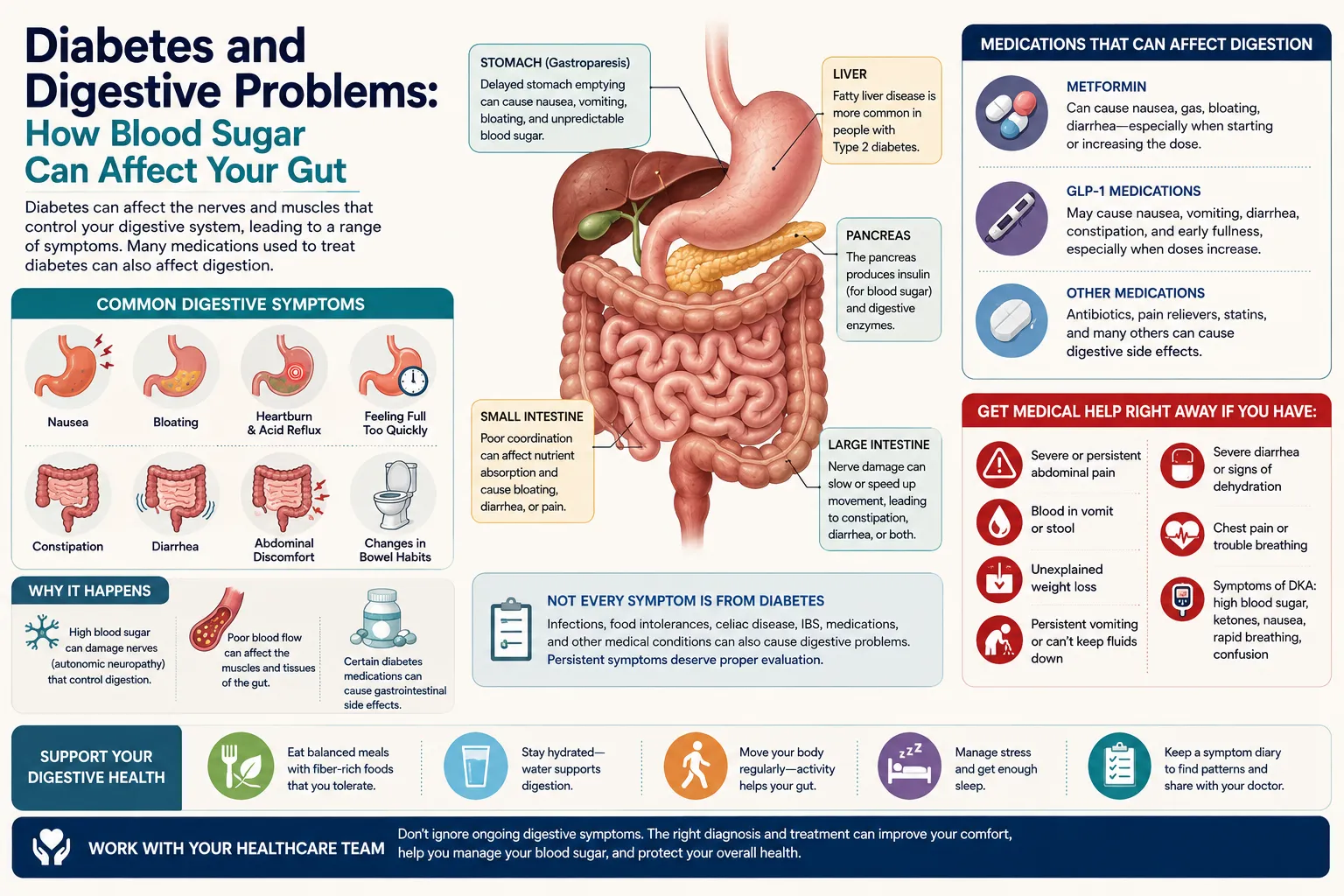
Living with diabetes involves much more than monitoring blood sugar.
Diabetes can affect nerves, blood vessels, kidneys, eyes, and many other parts of the body. What may be less obvious is that diabetes can also influence the digestive system.
Some people with diabetes experience constipation, diarrhea, nausea, bloating, heartburn, or other gastrointestinal symptoms. Diabetes-related nerve damage can sometimes interfere with normal digestive function, while medications used to treat diabetes may also cause gastrointestinal side effects.
But there is an important point to remember:
Not every stomach or bowel problem in someone with diabetes is caused by diabetes.
Digestive symptoms can have many causes, including infections, food intolerances, medications, irritable bowel syndrome, celiac disease, gallbladder problems, inflammatory conditions, and other illnesses.
Understanding the possible connection between diabetes and digestion can help you recognize patterns, discuss symptoms with your healthcare provider, and know when a problem needs further evaluation.
How Does the Digestive System Work?
The digestive system is a coordinated network of organs that processes food, absorbs nutrients, and removes waste.
It includes the:
- Mouth
- Esophagus
- Stomach
- Small intestine
- Large intestine
- Rectum
- The liver, pancreas, and gallbladder also play important roles in digestion.
After you eat, food moves through the digestive tract through coordinated muscular contractions.
Nerves help control many of these movements automatically.
Hormones and chemical signals also influence:
- Hunger
- Fullness
- Stomach emptying
- Intestinal movement
- Digestive secretions
- Nutrient absorption
Because diabetes can affect nerves and metabolism, it can sometimes disrupt these carefully coordinated processes.
Diabetes and the Autonomic Nervous System
One possible reason for digestive problems in diabetes is autonomic neuropathy.
The autonomic nervous system controls many bodily functions that happen without conscious effort.
These include:
- Heart rate
- Blood pressure
- Bladder function
- Sweating
- Sexual function
- Digestion
- Long-term exposure to elevated glucose can damage nerves.
When nerves controlling the gastrointestinal tract are affected, digestion may become slower, faster, or less coordinated.
This can contribute to symptoms involving different areas of the digestive system.
What Digestive Problems Can Occur with Diabetes?
Diabetes-related gastrointestinal problems can vary considerably.
Possible symptoms include:
- Heartburn
- Acid reflux
- Difficulty swallowing
- Nausea
- Vomiting
- Feeling full quickly
- Bloating
- Abdominal discomfort
- Constipation
- Diarrhea
- Changes in bowel habits
- Some people have mild symptoms.
Others may experience symptoms that significantly affect nutrition, glucose management, sleep, work, or quality of life.
Persistent symptoms deserve evaluation rather than simply being accepted as “part of having diabetes.”
Diabetes and Gastroparesis
One of the better-known digestive complications associated with diabetes is gastroparesis.
Gastroparesis occurs when the stomach empties food into the small intestine more slowly than normal even though there is no physical blockage causing the delay.
Diabetes is one possible cause.
Damage to nerves involved in stomach movement, including the vagus nerve, may interfere with the stomach's ability to contract normally.
Symptoms may include:
- Nausea
- Vomiting
- Bloating
- Upper abdominal discomfort
- Feeling full after eating only a small amount
- Feeling full for a long time after meals
- Poor appetite
- Gastroparesis can also make glucose management more complicated.
- Why Gastroparesis Can Make Blood Sugar Unpredictable
Insulin and some diabetes medications are timed partly around when food is expected to be digested and absorbed.
With gastroparesis, that timing can become unpredictable.
For example, insulin may begin lowering glucose before carbohydrates from a meal have entered the bloodstream.
This could contribute to an early low followed by a later glucose rise once food eventually leaves the stomach.
Someone may therefore experience:
- Unexpected highs
- Unexpected lows
- Delayed glucose spikes
- Difficulty matching insulin with meals
- If you suspect gastroparesis, do not simply change insulin timing on your own.
- Discuss the pattern with your diabetes care team.
Treatment may require coordination between diabetes management and gastrointestinal care.
High Blood Sugar Can Also Slow Stomach Emptying
The relationship between glucose and digestion can work in more than one direction.
Very high blood glucose can temporarily slow stomach emptying.
This can make symptoms worse in someone who already has delayed gastric emptying.
At the same time, unpredictable digestion can make glucose harder to manage.
This creates another reason to approach gastrointestinal symptoms and glucose patterns together rather than as completely separate issues.
Diabetes and Constipation
Constipation is a common digestive complaint in the general population, and people with diabetes may experience it as well.
Constipation can involve:
- Fewer bowel movements than usual
- Hard or dry stools
- Straining
- Feeling that the bowel did not completely empty
- Difficulty passing stool
Diabetes-related autonomic neuropathy may contribute by slowing movement through the intestines.
However, constipation can have many other causes.
These include:
- Low fiber intake
- Inadequate fluid intake
- Limited physical activity
- Certain medications
- Changes in routine
- Pelvic floor problems
- Thyroid disorders
- Other medical conditions
- Do not assume that constipation is automatically diabetic neuropathy.
- Hydration Matters for Bowel Health
- Adequate fluid helps support normal bowel function.
- Dehydration can contribute to harder stools and constipation.
People with diabetes may be particularly vulnerable to dehydration when glucose is significantly elevated because excess glucose can increase urination.
Vomiting or diarrhea can also increase fluid loss.
However, drinking excessive water is not a universal treatment for constipation.
People with kidney disease, heart failure, or other conditions may have individualized fluid recommendations.
Follow your healthcare team's advice if you have been told to limit fluids.
Fiber Can Help—But Increase It Carefully
Fiber is found in foods such as:
- Vegetables
- Fruits
- Beans
- Lentils
- Whole grains
- Nuts
- Seeds
Adequate dietary fiber can support bowel regularity and has other potential metabolic benefits.
However, suddenly increasing fiber dramatically may cause:
- Gas
- Bloating
- Abdominal discomfort
Increase fiber gradually when appropriate and combine it with adequate fluid according to your health needs.
People with significant gastroparesis may sometimes require different dietary strategies because certain high-fiber foods can be difficult to tolerate.
This is another example of why diabetes nutrition advice needs to be individualized.
Physical Activity Can Support Digestion
Regular physical activity supports overall health and may also help promote normal bowel movement in some people.
Even walking can be useful.
Exercise also provides important benefits for:
- Glucose management
- Cardiovascular health
- Strength
- Mobility
- Mental well-being
The appropriate type and amount of activity depends on your health, fitness level, medications, and diabetes complications.
If you have been inactive or have significant medical conditions, discuss a safe activity plan with your healthcare provider.
Diabetes and Diarrhea
Diarrhea can also occur in people with diabetes.
When autonomic neuropathy affects intestinal function, some people may develop episodes of loose or watery stool.
Diabetes-related diarrhea may sometimes occur at night or alternate with constipation.
However, many more common conditions can cause diarrhea.
These include:
- Viral or bacterial infections
- Food poisoning
- Medication side effects
- Lactose intolerance
- Celiac disease
- Irritable bowel syndrome
- Inflammatory bowel disease
- Other gastrointestinal conditions
- Persistent or recurrent diarrhea should be medically evaluated.
- Diarrhea Can Affect Blood Sugar
- Diarrhea creates several diabetes-management challenges.
- You may eat less than usual while your medication continues to work.
This can increase the risk of hypoglycemia with insulin or certain glucose-lowering medications.
At the same time, illness can cause stress hormones to rise, potentially increasing glucose.
Diarrhea can also lead to dehydration and electrolyte loss.
Therefore, someone with diabetes who develops significant diarrhea needs to think about both gastrointestinal symptoms and diabetes management.
Follow your sick-day plan and contact your healthcare team when appropriate.
Metformin and Digestive Side Effects
Metformin is one of the most widely used medications for Type 2 diabetes.
It is effective and has been used for decades, but gastrointestinal side effects are common, particularly when treatment begins or the dose increases.
Possible symptoms include:
- Diarrhea
- Nausea
- Abdominal discomfort
- Gas
- Reduced appetite
- For many people, symptoms improve as the body adjusts.
Taking metformin with food may help when consistent with prescribing instructions.
Extended-release formulations may also be better tolerated by some people.
If side effects are persistent or severe, contact your healthcare provider.
Do not stop metformin without discussing it with the clinician managing your diabetes.
GLP-1 Medications and Digestion
GLP-1 receptor agonists and related incretin-based medications have become increasingly important in the treatment of Type 2 diabetes and obesity.
Depending on the medication, they can:
- Improve glucose management
- Reduce appetite
- Promote weight loss
- Provide cardiovascular or other health benefits in appropriate patients
- However, gastrointestinal symptoms are among their most common side effects.
- These may include:
- Nausea
- Vomiting
- Diarrhea
- Constipation
- Abdominal discomfort
- Feeling full quickly
These medications can also slow stomach emptying, particularly during certain stages of treatment.
Symptoms are often more noticeable when treatment begins or after the dose is increased.
Severe Symptoms Should Not Be Dismissed as a Medication Side Effect
Mild nausea after beginning a medication may be expected.
Severe or persistent symptoms are different.
Contact your healthcare provider if you experience problems such as:
- Persistent vomiting
- Inability to keep fluids down
- Severe abdominal pain
- Significant dehydration
- Symptoms that prevent you from eating adequately
- Severe or worsening gastrointestinal symptoms
- Do not assume that severe abdominal pain is “just the medication.”
Other medical problems can occur at the same time and may require prompt evaluation.
Eating Smaller Meals May Help Some Symptoms
Some people experiencing nausea, early fullness, or medication-related digestive symptoms find smaller meals easier to tolerate than very large meals.
Other strategies may include:
- Eating slowly
- Stopping when comfortably full
- Avoiding unusually large portions
- Identifying foods that consistently trigger symptoms
- However, there is no universal “diabetes stomach diet.”
- The right strategy depends on the cause of your symptoms.
Someone with constipation may need different advice from someone with gastroparesis or persistent diarrhea.
Diabetes and Acid Reflux
Acid reflux occurs when stomach contents move backward into the esophagus.
Common symptoms include:
- Heartburn
- Sour or acidic taste
- Regurgitation
- Chest discomfort
- Symptoms after meals or when lying down
- Occasional reflux is common even among people without diabetes.
Some people with diabetes may experience gastrointestinal motility problems that contribute to reflux symptoms, but diabetes should not automatically be assumed to be the cause.
Lifestyle factors, body weight, certain foods, medications, hiatal hernia, and other conditions can also contribute.
Don't Assume Chest Pain Is Heartburn
This point is especially important for people with diabetes.
Diabetes increases cardiovascular risk.
Heart problems can sometimes cause symptoms that people mistake for indigestion or heartburn.
Seek urgent medical attention for concerning symptoms such as:
- Chest pressure or squeezing
- Shortness of breath
- Sweating
- Pain spreading to the arm, back, neck, or jaw
- Sudden severe weakness
- Unexplained nausea with other cardiovascular symptoms
- Some people with diabetes may experience less typical heart attack symptoms.
When in doubt, it is safer to seek medical evaluation rather than assume chest discomfort is digestive.
Diabetes and Bloating
Bloating is the sensation of abdominal fullness, pressure, or swelling.
It can occur for many reasons.
Possible causes include:
- Constipation
- Gastroparesis
- Food intolerances
- Swallowed air
- Certain medications
- Irritable bowel syndrome
- Changes in intestinal bacteria
- Other digestive disorders
If bloating occurs occasionally after a large meal, it may not indicate a serious problem.
Persistent bloating—especially when accompanied by weight loss, vomiting, severe pain, bleeding, or major changes in bowel habits—deserves medical evaluation.
Keep a Symptom Diary
Digestive symptoms can be difficult to remember accurately during a medical appointment.
A simple diary can help identify patterns.
Consider recording:
- What you ate
- Meal size
- When symptoms started
- Type of symptom
- Bowel movements
- Glucose levels
- Medication timing
- Recent medication changes
- Exercise
- Menstrual cycle when relevant
- You do not need to track every detail forever.
Even one or two weeks of organized information may help your healthcare provider understand what is happening.
Pay Attention to Timing
When discussing digestive symptoms, timing provides useful clues.
Ask yourself:
Do symptoms occur immediately after eating?
Several hours later?
Only at night?
After a particular medication?
After fatty meals?
After dairy products?
During periods of high glucose?
During stressful periods?
After increasing a medication dose?
Patterns do not provide a diagnosis by themselves, but they can help guide appropriate evaluation.
Avoid Eliminating Too Many Foods Without Guidance
When people experience digestive symptoms, it can be tempting to remove multiple foods at once.
You may stop eating dairy, gluten, vegetables, fruit, carbohydrates, and other foods because you are trying to identify the problem.
Overly restrictive diets can create nutritional deficiencies and make diabetes meal planning more difficult.
If symptoms are persistent, consider working with a registered dietitian or healthcare professional before making major dietary restrictions.
The goal should be to identify the actual problem rather than continually shrinking the list of foods you feel safe eating.
Digestive Symptoms Deserve Proper Evaluation
Diabetes can contribute to digestive problems, but it should not become an automatic explanation for every gastrointestinal symptom.
A new digestive problem may have nothing to do with diabetes.
Tell your healthcare provider if you experience:
- Persistent nausea
- Recurrent vomiting
- Ongoing constipation
- Frequent diarrhea
- Difficulty swallowing
- Persistent reflux
- Unexplained abdominal pain
- Major changes in bowel habits
- Unintentional weight loss
A proper diagnosis allows treatment to address the real cause rather than simply managing symptoms.
Type 1 Diabetes and Celiac Disease
People with Type 1 diabetes have a higher risk of celiac disease, an autoimmune condition triggered by gluten.
Gluten is a protein found in wheat, barley, and rye.
In people with celiac disease, eating gluten causes an immune reaction that damages the lining of the small intestine. Over time, this can interfere with nutrient absorption.
Symptoms can vary significantly.
Possible digestive symptoms include:
- Diarrhea
- Constipation
- Bloating
- Abdominal pain
- Gas
- Nausea
- Vomiting
Some people have symptoms outside the digestive system, such as anemia, fatigue, bone problems, or certain skin symptoms.
Others have few noticeable symptoms.
Because Type 1 diabetes and celiac disease are both autoimmune conditions, healthcare professionals may recommend screening for celiac disease in people with Type 1 diabetes based on professional guidelines, symptoms, and individual circumstances.
Don't Start a Gluten-Free Diet Before Testing
If you suspect celiac disease, speak with your healthcare provider before eliminating gluten.
Celiac blood tests generally work best while someone is still consuming gluten.
Starting a strict gluten-free diet before testing can make the condition more difficult to diagnose accurately.
If celiac disease is confirmed, treatment typically involves a lifelong gluten-free diet.
Working with a registered dietitian can be particularly helpful because someone managing both Type 1 diabetes and celiac disease needs to consider nutrition, carbohydrate intake, glucose patterns, and gluten avoidance at the same time.
Diabetes, the Pancreas, and Digestion
Most people associate the pancreas with insulin, but the pancreas has another important job.
It produces digestive enzymes that help the body break down:
- Fat
- Protein
- Carbohydrates
Certain pancreatic conditions can interfere with the production or delivery of these enzymes.
This can lead to exocrine pancreatic insufficiency, sometimes called EPI.
Possible symptoms include:
- Diarrhea
- Greasy or oily stools
- Foul-smelling stools
- Bloating
- Excessive gas
- Abdominal discomfort
- Unintentional weight loss
- Nutritional deficiencies
- These symptoms can resemble many other digestive disorders.
- If pancreatic insufficiency is suspected, appropriate testing is necessary.
- Gallbladder Problems Can Cause Digestive Symptoms
- The gallbladder stores bile, which helps the body digest fats.
- Gallstones and other gallbladder problems can cause symptoms such as:
- Pain in the upper right abdomen
- Pain after eating
- Nausea
- Vomiting
- Pain that may travel toward the back or shoulder
Diabetes does not mean every episode of abdominal pain is related to diabetic neuropathy.
Gallbladder disease, appendicitis, ulcers, pancreatitis, kidney problems, and many other conditions can cause abdominal symptoms.
New or severe abdominal pain deserves appropriate medical evaluation.
Severe Abdominal Pain and Pancreatitis
Pancreatitis is inflammation of the pancreas.
A common symptom is significant upper abdominal pain, which may sometimes extend into the back.
Other symptoms can include:
- Nausea
- Vomiting
- Fever
- Abdominal tenderness
- Pancreatitis has multiple possible causes and can become serious.
If you develop severe or persistent abdominal pain—particularly with repeated vomiting—seek medical evaluation.
Do not attempt to diagnose pancreatitis yourself based on symptoms or assume that abdominal pain is simply a diabetes medication side effect.
Vomiting Requires Extra Attention When You Have Diabetes
Vomiting can quickly complicate diabetes management.
You may be unable to eat normally while insulin or other medications continue affecting glucose.
Vomiting can also cause:
- Dehydration
- Electrolyte loss
- Hypoglycemia
- Hyperglycemia
In people at risk, illness and inadequate insulin can contribute to diabetic ketoacidosis (DKA).
Everyone with diabetes should have a sick-day plan explaining what to do when they cannot eat or drink normally.
Know Your Sick-Day Plan
A diabetes sick-day plan may include instructions about:
- How often to check glucose
- When to check ketones
- Which medications to continue
- Whether certain medications should temporarily be held
- How to manage insulin
- What fluids to drink
- What to do when you cannot eat normally
- When to contact your healthcare provider
- When to seek emergency care
- The exact instructions depend on your type of diabetes and medications.
Do not wait until you are vomiting or severely ill to learn what your plan should be.
Ask your healthcare team for written sick-day guidance while you are well.
DKA Can Sometimes Look Like a Stomach Illness
Diabetic ketoacidosis can cause gastrointestinal symptoms.
These may include:
- Nausea
- Vomiting
- Abdominal pain
- Reduced appetite
- Other possible symptoms include:
- Excessive thirst
- Frequent urination
- Dehydration
- Rapid or deep breathing
- Fruity-smelling breath
- Severe fatigue
- Confusion
DKA occurs most commonly in Type 1 diabetes but can occur in other circumstances as well.
It requires urgent medical treatment.
Do not assume repeated vomiting and abdominal pain are simply a stomach virus when significant hyperglycemia or ketones are present.
Follow your emergency diabetes plan.
SGLT2 Inhibitors and Ketoacidosis
People taking SGLT2 inhibitors should understand an additional safety consideration.
These medications can rarely be associated with ketoacidosis, sometimes even when glucose is not as dramatically elevated as people might expect.
Symptoms may include:
- Nausea
- Vomiting
- Abdominal pain
- Difficulty breathing
- Unusual fatigue
If you take an SGLT2 inhibitor, ask your healthcare provider about sick-day instructions and when ketone testing or urgent evaluation is appropriate.
Never rely solely on the glucose number when concerning symptoms are present.
Diarrhea and Dehydration
Frequent watery diarrhea can cause significant fluid loss.
Warning signs of dehydration can include:
- Dry mouth
- Excessive thirst
- Dizziness
- Weakness
- Dark urine
- Reduced urination
- Severe dehydration can become dangerous.
People with kidney disease or heart failure may have specific fluid recommendations, so generic advice to “drink as much as possible” may not be appropriate.
Follow your healthcare team's individualized instructions.
Blood in the Stool Should Be Evaluated
Blood in the stool is not a typical symptom that should simply be attributed to diabetes.
Bright red blood can have causes such as hemorrhoids or bleeding near the lower digestive tract.
Dark or black, tarry stool may indicate bleeding higher in the gastrointestinal tract, although certain medications and supplements can also change stool color.
Seek medical guidance for unexplained gastrointestinal bleeding.
Significant bleeding, black tarry stools accompanied by weakness or dizziness, vomiting blood, or other severe symptoms require urgent evaluation.
Unexplained Weight Loss Is Another Warning Sign
Weight can change intentionally when someone improves nutrition, increases activity, or uses certain diabetes medications.
Unintentional weight loss is different.
Persistent digestive symptoms accompanied by unexplained weight loss may indicate that someone:
- Is not eating enough
- Is not absorbing nutrients properly
- Has significant gastroparesis
- Has celiac disease
- Has another gastrointestinal or medical condition
Do not assume unexplained weight loss is beneficial simply because weight reduction is sometimes discussed in diabetes care.
Unexpected weight loss deserves evaluation.
Difficulty Swallowing Needs Attention
Difficulty swallowing is called dysphagia.
Someone may feel:
- Food gets stuck
- Swallowing is painful
- Liquids or foods are difficult to swallow
- Coughing occurs while eating
- Food repeatedly comes back up
- Persistent swallowing problems can have several causes.
Because swallowing difficulties can increase the risk of choking, inadequate nutrition, and aspiration, they should be medically evaluated.
How Are Digestive Problems Diagnosed?
There is no single test for “diabetic digestive problems.”
Testing depends on symptoms and suspected causes.
A healthcare provider may begin with:
- Medical history
- Medication review
- Physical examination
- Blood tests
- Stool tests
- Depending on the problem, additional testing might include:
- Celiac disease testing
- Upper endoscopy
- Colonoscopy
- Imaging
- Gastric emptying testing
- Tests for pancreatic function
- Other specialized studies
- Not everyone with digestive symptoms needs extensive testing.
The evaluation should be guided by the symptoms, medical history, age, risk factors, and warning signs.
Review Your Medications
When digestive symptoms begin, consider whether anything recently changed.
Did you:
Start metformin?
Increase your metformin dose?
Start a GLP-1 medication?
Increase a GLP-1 dose?
Begin antibiotics?
Start a new supplement?
Begin another prescription medication?
Many medications and supplements can affect digestion.
Bring an updated medication and supplement list to your healthcare appointments.
Do not stop prescribed medications without discussing the situation with the appropriate healthcare professional.
Be Careful with Over-the-Counter Treatments
Pharmacies offer many products for:
- Constipation
- Diarrhea
- Heartburn
- Gas
- Nausea
These medications can be useful in appropriate situations, but they are not automatically safe for everyone.
Kidney disease, heart disease, medication interactions, electrolyte problems, and the underlying cause of symptoms can all affect which products are appropriate.
Repeatedly treating symptoms without understanding their cause may also delay diagnosis.
If you frequently need over-the-counter digestive medication, discuss the problem with your healthcare provider.
Probiotics Are Not a Cure-All
Interest in the gut microbiome has led to widespread marketing of probiotic products.
Some probiotics may be useful in specific situations, but evidence varies considerably by bacterial strain, product, and condition.
A supplement labeled “probiotic” is not automatically beneficial for every digestive symptom.
Probiotics should not replace medical evaluation for:
- Persistent diarrhea
- Severe constipation
- Gastrointestinal bleeding
- Unexplained weight loss
- Recurrent vomiting
- Severe abdominal pain
- Be cautious about products promising to “heal your gut” or cure diabetes.
- Avoid Unproven “Detox” Products
Digestive symptoms can make people vulnerable to marketing claims about cleanses and detox programs.
Your liver and kidneys already perform essential waste-processing functions.
You do not need a special juice cleanse, tea, powder, or supplement to “detox” your digestive tract.
Some products marketed for detoxification may contain:
- Laxatives
- Stimulants
- Diuretics
- Large amounts of herbs
- Ingredients that interact with medications
These products can potentially cause dehydration, diarrhea, electrolyte problems, or changes in glucose.
If you are considering a supplement, discuss it with your healthcare provider or pharmacist.
Build Meals Around Tolerance and Nutrition
There is no single perfect diet for everyone with diabetes and digestive symptoms.
A balanced approach may include foods providing:
- Protein
- Fiber when tolerated
- Healthy fats
- Vitamins and minerals
- Appropriate carbohydrates
- But the best choices depend on the digestive condition.
For example, someone with uncomplicated constipation may benefit from additional fiber.
Someone with significant gastroparesis may be advised by their healthcare team to modify fiber, fat, food texture, meal size, or other aspects of eating.
Personalization matters.
Eat Mindfully and Notice Patterns
Simple habits may make digestive symptoms easier to understand.
Consider:
- Eating at a comfortable pace
- Chewing food thoroughly
- Avoiding consistently oversized meals
- Noticing foods that reliably trigger symptoms
- Tracking medication timing
- Monitoring glucose patterns when symptoms occur
- You do not need to obsessively document every bite.
The purpose is to identify useful patterns that can guide conversations with your healthcare team.
Sleep and Stress Can Influence Digestive Symptoms
The digestive system and nervous system are closely connected.
Stress can affect:
- Appetite
- Bowel habits
- Stomach sensations
- Reflux symptoms
- Poor sleep may also influence food choices, stress, and glucose management.
- This does not mean digestive symptoms are “all in your head.”
The gut and brain communicate constantly through nerves, hormones, and other pathways.
Addressing stress and sleep may be one useful part of a broader treatment plan.
When Should You Call Your Healthcare Provider?
Contact your healthcare provider for persistent or recurrent symptoms such as:
- Frequent nausea
- Repeated vomiting
- Ongoing diarrhea
- Chronic constipation
- Persistent bloating
- Difficulty swallowing
- Recurrent reflux
- Unexplained changes in bowel habits
- Unintentional weight loss
- Symptoms interfering with eating
- Unpredictable glucose that appears related to digestion
- Earlier evaluation can help identify treatable causes.
- When Should You Seek Urgent Medical Care?
- Some digestive symptoms should not wait for a routine appointment.
- Seek urgent care for symptoms such as:
- Severe or rapidly worsening abdominal pain
- Vomiting blood
- Significant gastrointestinal bleeding
- Black, tarry stools with concerning symptoms
- Persistent vomiting with inability to keep fluids down
- Severe dehydration
- Fainting or confusion
- Severe abdominal swelling with significant pain
- Possible DKA symptoms
- Chest pressure or other possible heart attack symptoms
If you are uncertain whether symptoms represent an emergency, seek professional medical guidance rather than assuming diabetes is responsible.
Frequently Asked Questions
Can diabetes cause digestive problems?
Yes. Diabetes-related autonomic nerve damage can affect different parts of the gastrointestinal tract. Diabetes can be associated with conditions such as gastroparesis and certain bowel problems. However, digestive symptoms can have many causes unrelated to diabetes.
Why does diabetes cause constipation?
Autonomic neuropathy may slow movement through the intestines in some people with diabetes. Dehydration, medications, diet, limited physical activity, and other medical conditions can also cause constipation.
Can diabetes cause diarrhea?
Diabetes-related autonomic neuropathy can contribute to diarrhea in some people. However, infections, medications, food intolerances, celiac disease, and many other conditions are also possible causes.
Can metformin cause diarrhea?
Yes. Diarrhea, nausea, gas, and abdominal discomfort are well-known gastrointestinal side effects of metformin, particularly when treatment begins or the dose changes. Persistent problems should be discussed with your healthcare provider.
Why do GLP-1 medications cause nausea?
GLP-1 receptor agonists and related medications affect appetite and gastrointestinal function, including slowing stomach emptying. Nausea and other digestive symptoms can occur, especially during treatment initiation or dose increases.
Can diabetes cause gastroparesis?
Yes. Long-term diabetes can damage nerves controlling stomach movement, which may contribute to gastroparesis. Other conditions can also cause delayed stomach emptying.
Can gastroparesis make blood sugar unpredictable?
Yes. Delayed stomach emptying can make the timing of carbohydrate absorption less predictable, which may complicate matching insulin or medications with meals.
Is celiac disease related to diabetes?
Celiac disease occurs more commonly in people with Type 1 diabetes because both are autoimmune conditions. Screening may be recommended depending on symptoms and individual circumstances.
Should I take probiotics for diabetes-related digestive problems?
Not automatically. Probiotics vary widely, and evidence depends on the specific condition and product. Persistent digestive symptoms should first be properly evaluated.
When should digestive symptoms worry someone with diabetes?
Severe abdominal pain, repeated vomiting, inability to keep fluids down, gastrointestinal bleeding, black tarry stool, unexplained weight loss, severe dehydration, or symptoms suggesting DKA require prompt medical attention.
Key Takeaways
Diabetes can affect the digestive system, particularly when long-term glucose exposure damages the autonomic nerves that help control gastrointestinal function.
Possible diabetes-related digestive problems include gastroparesis, constipation, diarrhea, and other changes in gastrointestinal movement.
However, not every digestive symptom in someone with diabetes is caused by diabetes.
Medications are another important consideration. Metformin commonly causes gastrointestinal side effects, while GLP-1 and related medications can cause nausea, vomiting, constipation, diarrhea, or early fullness.
People with Type 1 diabetes also have an increased risk of celiac disease.
Digestive illness can complicate glucose management by changing how much you eat, when nutrients are absorbed, and how much fluid you lose.
Everyone with diabetes should understand their individualized sick-day plan, especially what to do during vomiting or diarrhea.
Do not ignore severe abdominal pain, repeated vomiting, gastrointestinal bleeding, unexplained weight loss, difficulty swallowing, severe dehydration, or major changes in bowel habits.
Avoid extreme elimination diets, unproven detox programs, and supplements marketed as universal solutions for gut health.
Instead, work with your healthcare team to identify the actual cause of persistent symptoms.
Most importantly, digestive problems deserve the same thoughtful approach as any other aspect of diabetes care.
Your gut symptoms are information—not something you simply have to tolerate because you have diabetes.
DiabetesAdvocates.care does not provide medical advice, diagnosis, or treatment. Please consult with your healthcare provider for questions and personalized medical advice.