
Diabetes and Dry Mouth: Why Your Mouth May Feel Dry All the Time
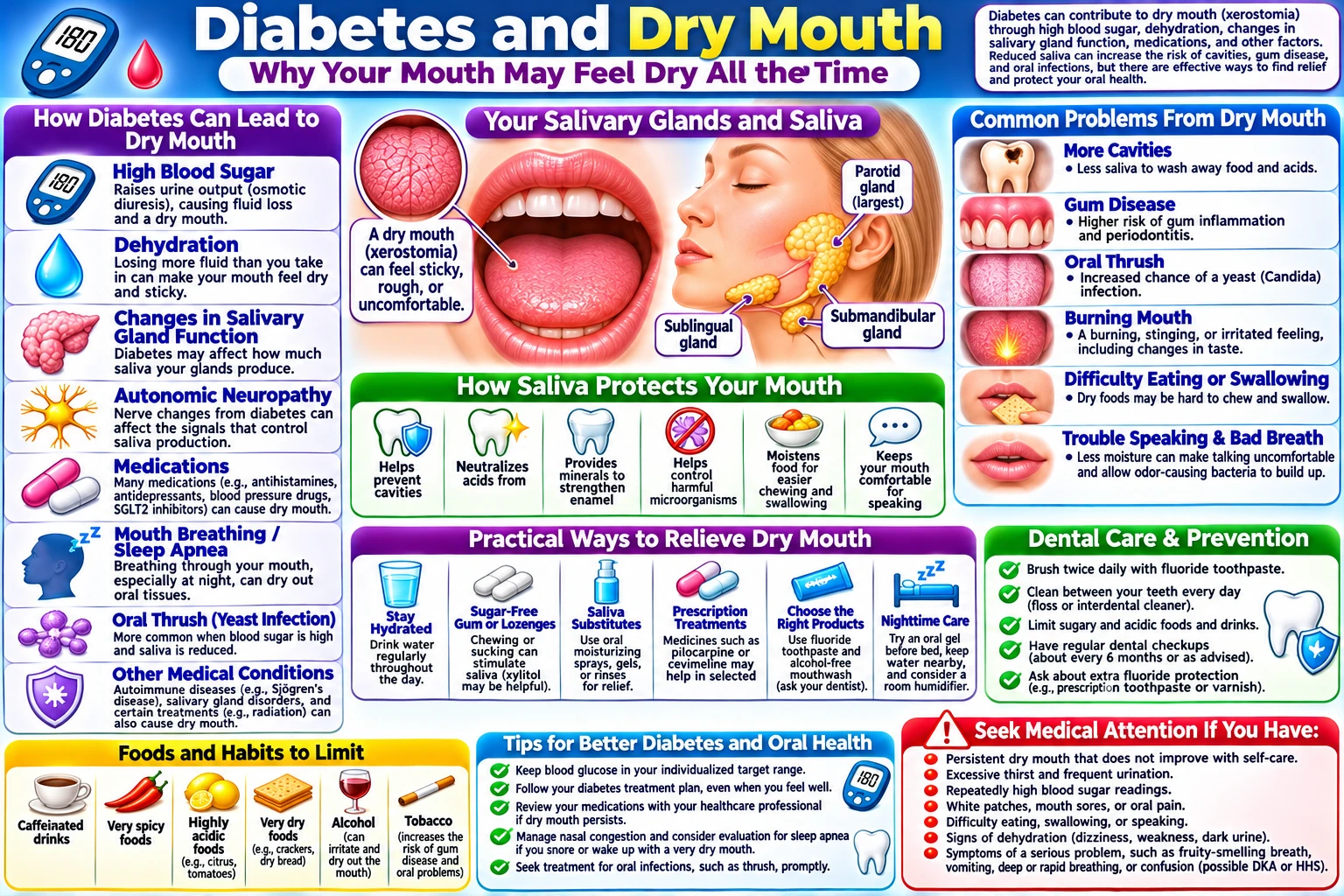
Have you ever woken up in the middle of the night with your mouth feeling unusually dry?
Perhaps your tongue feels sticky, your lips are constantly chapped, or you need to drink water frequently just to feel comfortable.
Maybe you have noticed that swallowing dry foods has become more difficult, your breath smells different, or your mouth feels dry even after drinking several glasses of water.
If you have diabetes, you might wonder:
“Is my diabetes causing my mouth to feel dry all the time?”
The answer is that diabetes can contribute to persistent dry mouth, particularly when blood glucose remains elevated.
High blood sugar can increase urination and fluid loss, which may lead to dehydration. Diabetes may also be associated with changes in saliva production and certain oral health conditions.
However, dry mouth is not always caused by diabetes.
Medications, mouth breathing, sleep disorders, autoimmune diseases, and other medical conditions can produce similar symptoms.
Understanding the possible causes is important because persistent dry mouth is more than an inconvenience.
Saliva plays an essential role in protecting your teeth, gums, tongue, and other oral tissues.
When saliva is insufficient, the risk of tooth decay, oral infections, and difficulty eating may increase.
Can Diabetes Cause Dry Mouth?
Yes. Dry mouth is a recognized symptom that can occur in people with diabetes.
It may develop through several mechanisms, including:
- Dehydration caused by excessive urination
- Persistent hyperglycemia
- Changes in salivary gland function
- Medication side effects
- Mouth breathing
- Oral infections
- Other medical conditions associated with diabetes
However, the presence of dry mouth does not automatically mean that glucose is elevated.
Some people with well-managed diabetes also experience dry mouth for reasons unrelated to their glucose levels.
Is Dry Mouth Common in Diabetes?
Studies have reported that dry mouth occurs in a substantial proportion of people with diabetes, although estimates vary considerably.
Differences in study populations, medications, glucose management, age, and diagnostic methods can affect the results.
Some studies have also found reduced salivary flow in certain groups of people with diabetes.
However, not everyone with diabetes experiences impaired saliva production.
Persistent dry mouth deserves evaluation rather than being dismissed as a normal part of diabetes.
1. What Is Xerostomia?
Xerostomia is the medical term for the subjective sensation of dry mouth.
It describes how a person's mouth feels.
This is different from hyposalivation, which refers to objectively reduced saliva production.
Can You Have Dry Mouth With Normal Saliva Production?
Yes.
Someone may experience dryness even when measured saliva flow is within the normal range.
Changes in saliva composition, oral sensitivity, medications, and other factors may contribute.
Likewise, some people have reduced saliva production without initially noticing significant dryness.
This distinction matters because treatment depends on the underlying problem.
2. Why Saliva Is Important
Saliva is essential for maintaining a healthy mouth.
It is produced by several salivary glands, including the parotid, submandibular, and sublingual glands, as well as numerous smaller glands.
Saliva contains water, electrolytes, proteins, enzymes, and other substances that support oral health.
Saliva Helps You Eat and Swallow
Saliva moistens food and helps form a soft mass that can be swallowed more comfortably.
When saliva is insufficient, dry foods such as crackers, bread, and rice may become difficult to chew or swallow.
Saliva Protects Teeth
Saliva helps wash away food particles and supports a healthier oral environment.
It also contains substances that help neutralize acids produced by oral bacteria.
These protective functions reduce the risk of tooth decay.
Saliva Supports Tooth Remineralization
Tooth enamel naturally undergoes cycles of mineral loss and replacement.
Saliva provides minerals, including calcium and phosphate, that support remineralization.
When saliva flow decreases, teeth may become more vulnerable to acid-related damage.
Saliva Helps Control Microorganisms
Saliva contains antimicrobial components that help regulate microorganisms in the mouth.
Reduced saliva can make it easier for certain organisms, including Candida yeast, to grow excessively.
Saliva Supports Speech
Adequate moisture helps the tongue, lips, and other oral structures move comfortably during speaking.
Severe dryness may make prolonged conversation uncomfortable.
3. How High Blood Sugar Can Cause Dry Mouth
One of the most important connections between diabetes and dry mouth involves elevated blood glucose.
When glucose levels become sufficiently high, the kidneys may begin excreting more glucose into urine.
Glucose in the urine draws additional water with it.
This process is called osmotic diuresis.
What Happens During Osmotic Diuresis?
The process can be understood in several steps:
- Blood glucose rises above the kidneys' ability to reabsorb all filtered glucose.
- Excess glucose enters the urine.
- Water follows glucose into the urine.
- Urine production increases.
- The body loses additional fluid.
- Dehydration and thirst may develop.
As fluid loss increases, a person may experience a dry mouth and other symptoms of dehydration.
Does High Blood Sugar Always Cause Dry Mouth?
No.
Mild glucose elevations may not produce noticeable fluid loss.
The relationship also depends on kidney function, medications, fluid intake, and individual physiology.
Dry mouth alone cannot confirm hyperglycemia.
A glucose measurement is needed to determine whether blood sugar is elevated.
4. Why Diabetes Can Make You Feel Thirsty All the Time
Excessive thirst is medically called polydipsia.
It is one of the classic symptoms of diabetes, particularly when glucose levels are significantly elevated.
The Relationship Between Thirst and Dry Mouth
Thirst and dry mouth often occur together, but they are not identical.
Thirst is the body's drive to drink fluids.
Dry mouth is the sensation of insufficient moisture in the oral cavity.
Someone can feel thirsty without having a particularly dry mouth.
Likewise, a person may have dry mouth without experiencing excessive thirst.
Signs That Thirst May Be Related to High Blood Sugar
Possible accompanying symptoms include:
- Frequent urination
- Increased nighttime urination
- Fatigue
- Blurred vision
- Unintentional weight loss
- Increased hunger
These symptoms may indicate hyperglycemia and should prompt glucose testing and medical evaluation.
5. Dehydration and Persistent Dry Mouth
Dehydration occurs when the body loses more fluid than it takes in.
It may develop because of:
- Excessive urination
- Vomiting
- Diarrhea
- Fever
- Heavy sweating
- Inadequate fluid intake
- Certain medications
People with diabetes may be particularly vulnerable when significant hyperglycemia increases urinary fluid loss.
Common Signs of Dehydration
Symptoms may include:
- Dry mouth
- Increased thirst
- Darker urine
- Reduced urine output in some circumstances
- Dizziness
- Headache
- Weakness
- Fatigue
However, urine color and thirst are not perfect indicators of hydration.
Can Drinking Water Fix Diabetes-Related Dry Mouth?
Drinking fluids may help when dehydration contributes to dryness.
However, if persistent hyperglycemia is causing excessive urinary fluid loss, hydration alone will not correct the underlying problem.
Appropriate diabetes treatment may also be necessary.
What If You Have Kidney or Heart Disease?
Some people with advanced kidney disease or heart failure need individualized fluid recommendations.
Drinking large amounts of water without medical guidance may be inappropriate in these situations.
6. How Diabetes May Affect Salivary Gland Function
Salivary glands produce the fluid that keeps the mouth moist.
Some research suggests that diabetes may be associated with changes in salivary gland function or saliva composition.
Possible contributing factors include:
- Metabolic changes
- Altered fluid balance
- Microvascular changes
- Autonomic nervous system dysfunction
- Medication effects
However, the exact mechanisms remain incompletely understood.
Does Diabetes Permanently Damage Salivary Glands?
Not necessarily.
Dry mouth can have multiple causes, and reduced saliva production is not always permanent.
Some causes are reversible or manageable.
The extent of recovery depends on the underlying condition.
7. Diabetic Autonomic Neuropathy and Dry Mouth
The autonomic nervous system regulates many involuntary bodily functions.
These include:
- Heart rate
- Digestion
- Sweating
- Blood pressure responses
- Certain glandular functions
Saliva production is regulated partly by autonomic nerve signals.
Can Autonomic Neuropathy Reduce Saliva?
Autonomic dysfunction is a possible contributor to altered salivary secretion in some people with diabetes.
However, dry mouth is not a specific or reliable diagnostic sign of diabetic autonomic neuropathy.
A person with dry mouth should not assume they have nerve damage.
Other explanations, especially medication effects and dehydration, are often important to investigate.
Other Symptoms of Autonomic Neuropathy
Depending on which nerves are affected, symptoms may include:
- Dizziness when standing
- Abnormal sweating
- Digestive problems
- Bladder dysfunction
- Changes in heart rate responses
These symptoms require individualized medical evaluation.
8. Medications That Can Cause Dry Mouth
Medication side effects are among the most common causes of persistent dry mouth.
Some people with diabetes take medications for several conditions, including hypertension, allergies, depression, and sleep problems.
Certain medications can reduce saliva production or contribute to the sensation of dryness.
Common Medication Categories
Examples include selected:
- Antihistamines
- Antidepressants
- Anticholinergic medications
- Certain bladder medications
- Some blood pressure medications
- Decongestants
- Sedatives
- Other prescription and over-the-counter medications
The likelihood of dry mouth depends on the specific medication and dose.
Can Diabetes Medications Cause Dry Mouth?
Some diabetes treatments can contribute indirectly.
For example, SGLT2 inhibitors increase urinary glucose excretion.
They can increase urination and may contribute to volume depletion in susceptible individuals.
Examples include:
- Empagliflozin
- Dapagliflozin
- Canagliflozin
- Ertugliflozin
However, these medications have important benefits for selected people with diabetes, heart failure, and chronic kidney disease.
They should not be discontinued without medical guidance.
What Should You Do If Dry Mouth Begins After Starting Medication?
Contact your healthcare professional.
They may review:
- Medication timing
- Dose
- Other possible causes
- Hydration status
- Glucose patterns
- Potential alternatives
Do not independently stop prescribed treatment.
9. Mouth Breathing and Dry Mouth
Breathing through the mouth can cause moisture to evaporate from oral tissues.
This is especially noticeable during sleep.
Why Does Mouth Breathing Happen?
Possible causes include:
- Nasal congestion
- Allergies
- Structural nasal problems
- Habitual mouth breathing
- Sleep-related breathing disorders
Common Symptoms
You may notice:
- Dry mouth upon waking
- Dry or cracked lips
- Morning sore throat
- Bad breath
- Discomfort that improves after drinking water
Does Morning Dry Mouth Mean Your Blood Sugar Is High?
Not necessarily.
Morning dryness may result from sleeping with your mouth open, certain medications, or other factors.
If you also experience frequent urination, excessive thirst, or other symptoms of hyperglycemia, checking glucose may be appropriate.
10. Sleep Apnea and Nighttime Dry Mouth
Obstructive sleep apnea is a condition in which breathing repeatedly becomes partially or completely blocked during sleep.
It is more common among people with Type 2 diabetes, particularly when other risk factors are present.
How Sleep Apnea May Contribute
Some people with sleep apnea breathe through their mouths during sleep.
This can contribute to nighttime oral dryness.
Continuous positive airway pressure (CPAP) treatment can also cause dry mouth when air leaks through the mouth or when humidification is inadequate.
Other Signs of Sleep Apnea
Possible symptoms include:
- Loud snoring
- Witnessed breathing pauses
- Gasping during sleep
- Morning headaches
- Daytime sleepiness
- Unrefreshing sleep
Dry mouth alone does not establish sleep apnea.
A sleep evaluation may be appropriate when additional symptoms are present.
11. Oral Thrush and Diabetes
Oral thrush is a fungal infection caused by an overgrowth of Candida species.
Candida organisms may normally be present in the mouth without causing disease.
However, certain conditions can allow them to multiply excessively.
Why Diabetes May Increase the Risk
Persistent hyperglycemia and reduced saliva can contribute to an environment that favors fungal overgrowth.
Other risk factors include:
- Denture use
- Recent antibiotic treatment
- Inhaled corticosteroids
- Immunosuppression
- Certain medical conditions
Common Symptoms of Oral Thrush
Possible signs include:
- White patches inside the mouth
- Red or irritated oral tissues
- Burning or soreness
- Altered taste
- Cracking at the corners of the mouth
- Discomfort when eating
Not every white patch is oral thrush.
A healthcare professional or dentist can confirm the diagnosis.
Can Oral Thrush Make Dry Mouth Worse?
Yes.
Oral inflammation and infection may increase discomfort and contribute to a sensation of dryness.
However, dry mouth can also increase susceptibility to thrush.
The two conditions may reinforce each other.
12. Dry Mouth and Tooth Decay
Saliva helps protect teeth by washing away food particles, neutralizing acids, and supporting remineralization.
When saliva flow is reduced, the risk of cavities may increase.
Why Cavities May Develop More Easily
Reduced saliva can allow acids to remain in contact with teeth for longer periods.
This may increase enamel demineralization.
Dry mouth can also make it more difficult to clear food debris.
Are People With Diabetes More Likely to Develop Cavities?
The relationship is influenced by multiple factors, including:
- Saliva flow
- Glucose management
- Diet
- Oral hygiene
- Fluoride exposure
- Access to dental care
Diabetes does not guarantee that cavities will develop.
However, persistent dry mouth is an important reason to pay closer attention to dental health.
13. Gum Disease and Diabetes
Gum disease includes gingivitis and periodontitis.
Gingivitis involves inflammation of the gums.
Periodontitis is a more advanced condition involving the tissues that support teeth.
Diabetes and periodontal disease have a well-established relationship.
Poorly managed diabetes can increase the risk and severity of periodontal disease.
Periodontal inflammation may also make glucose management more difficult.
Common Signs of Gum Disease
Symptoms may include:
- Bleeding gums
- Red or swollen gums
- Persistent bad breath
- Gum recession
- Loose teeth
- Pain when chewing
Some people with periodontal disease have few noticeable symptoms.
Does Dry Mouth Cause Gum Disease?
Dry mouth may contribute to oral health problems, but it is not the sole cause of periodontal disease.
Dental plaque, inflammation, smoking, glucose management, and other factors play important roles.
Regular dental care is essential.
14. Burning Mouth Sensations
Some people experience a burning, tingling, or scalded sensation in the mouth.
This may affect the tongue, lips, gums, or other oral tissues.
Possible Causes
Burning mouth symptoms may be associated with:
- Dry mouth
- Oral candidiasis
- Nutritional deficiencies
- Certain medications
- Reflux
- Neuropathic conditions
- Other oral disorders
Burning mouth syndrome is a specific diagnosis that generally requires evaluation to exclude other causes.
Does Diabetes Cause Burning Mouth Syndrome?
Diabetes may coexist with burning mouth symptoms, but the relationship is complex.
A burning sensation should not automatically be attributed to diabetic neuropathy.
A dentist or healthcare professional can assess for treatable causes.
15. Difficulty Chewing and Swallowing
Saliva helps lubricate food and oral tissues.
When saliva is insufficient, eating can become uncomfortable.
Common Difficulties
People with significant dry mouth may experience:
- Difficulty chewing dry foods
- Needing water with meals
- Food sticking inside the mouth
- Trouble swallowing certain textures
- Difficulty wearing dentures
- Reduced enjoyment of meals
Why This Matters for Diabetes Management
Eating difficulties may interfere with regular nutrition.
Some people may avoid foods that are difficult to chew or swallow.
Others may rely more heavily on soft or sweet foods and beverages.
These changes can affect nutritional quality and glucose management.
When Swallowing Problems Need Medical Attention
Persistent difficulty swallowing should be evaluated.
Seek emergency care for choking, inability to swallow saliva, or breathing difficulty.
Dry mouth should not be assumed to explain every swallowing problem.
16. Dry Mouth and Changes in Taste
Saliva helps dissolve food substances so they can interact with taste receptors.
Reduced saliva may alter the experience of taste.
Some people report:
- Reduced taste intensity
- Unpleasant tastes
- Metallic sensations
- Difficulty enjoying food
However, taste changes can also result from medications, infections, neurological conditions, and other causes.
Persistent changes deserve assessment.
17. Dry Mouth and Bad Breath
Bad breath, or halitosis, can have several causes.
Reduced saliva may contribute because saliva normally helps clear food debris and regulate oral microorganisms.
Other Possible Causes
These include:
- Gum disease
- Tooth decay
- Tongue coating
- Oral infections
- Certain foods
- Smoking
- Other medical conditions
A Special Warning About Fruity Breath
Fruity or acetone-like breath can occur during diabetic ketoacidosis.
It is different from ordinary bad breath associated with dry mouth.
If fruity breath occurs with vomiting, abdominal pain, deep or rapid breathing, or confusion, seek emergency medical care.
18. Dry Mouth Versus Excessive Thirst
Although these symptoms often overlap, understanding the difference can help identify the cause.
Feature | Dry Mouth | Excessive Thirst |
|---|---|---|
Main sensation | Mouth feels dry or sticky | Strong desire to drink |
Medical term | Xerostomia | Polydipsia |
Possible causes | Medications, reduced saliva, mouth breathing, dehydration | Dehydration, hyperglycemia, fluid loss, other conditions |
Common accompanying symptoms | Difficulty swallowing dry food, oral discomfort, bad breath | Frequent drinking, possible increased urination |
Can occur with normal glucose? | Yes | Yes |
Requires evaluation if persistent? | Yes | Yes |
A person can experience both symptoms simultaneously.
19. Sjögren's Disease and Persistent Dry Mouth
Sjögren's disease is an autoimmune condition that can affect moisture-producing glands.
It commonly causes dry eyes and dry mouth.
Common Symptoms
Possible signs include:
- Persistent dry mouth
- Dry or irritated eyes
- Difficulty swallowing dry foods
- Recurrent dental problems
- Fatigue
- Joint discomfort
- Swelling of salivary glands in some people
Is Sjögren's Disease Related to Diabetes?
Sjögren's disease and Type 1 diabetes are both autoimmune conditions.
They can coexist, although one does not automatically cause the other.
Dry mouth accompanied by persistent dry eyes or other autoimmune symptoms may warrant additional evaluation.
How Is It Diagnosed?
Diagnosis may involve a combination of:
- Medical history
- Physical examination
- Blood tests
- Eye testing
- Salivary gland assessment
- Other specialist-directed investigations
Dry mouth alone does not confirm Sjögren's disease.
20. Other Medical Causes of Dry Mouth
Persistent dry mouth may also occur with:
- Salivary gland disorders
- Head and neck radiation therapy
- Certain autoimmune conditions
- Dehydration from gastrointestinal illness
- Chronic nasal obstruction
- Some neurological conditions
- Certain cancer treatments
- Medication-related effects
Because the causes vary, treatment should be individualized.
21. Can Dry Mouth Be an Early Sign of Undiagnosed Diabetes?
Yes.
Dry mouth may occur alongside excessive thirst and frequent urination in people with previously undiagnosed diabetes.
However, it is not specific enough to diagnose diabetes.
Symptoms That Should Prompt Testing
Consider medical evaluation if dry mouth occurs with:
- Frequent urination
- Excessive thirst
- Unexplained fatigue
- Blurred vision
- Unintentional weight loss
- Recurrent infections
A healthcare professional may recommend blood glucose or A1C testing.
22. Does Dry Mouth Mean Diabetes Is Poorly Controlled?
Not necessarily.
Some people experience dry mouth because of medications, sleep-related mouth breathing, or other conditions despite having glucose levels within their individualized target range.
However, persistent hyperglycemia can contribute to dehydration and thirst.
If dryness develops alongside elevated glucose readings, discussing the pattern with your diabetes care team is important.
23. Can Low Blood Sugar Cause Dry Mouth?
Dry mouth is not a classic or reliable symptom of hypoglycemia.
Common hypoglycemia symptoms may include:
- Sweating
- Shakiness
- Hunger
- Palpitations
- Dizziness
- Confusion
Some people may experience unusual sensations during low glucose episodes, but dry mouth alone should not be used to identify hypoglycemia.
Check glucose when symptoms suggest a possible low.
24. When Dry Mouth May Signal Severe Hyperglycemia
Significant hyperglycemia can cause substantial fluid loss.
In severe cases, dehydration may become dangerous.
Two important diabetes-related emergencies are diabetic ketoacidosis (DKA) and hyperosmolar hyperglycemic state (HHS).
Diabetic Ketoacidosis
DKA develops when insufficient effective insulin leads to excessive ketone production and metabolic acidosis.
Possible symptoms include:
- Excessive thirst
- Frequent urination
- Dry mouth
- Nausea
- Vomiting
- Abdominal pain
- Deep or rapid breathing
- Fruity-smelling breath
- Confusion
DKA is most common in Type 1 diabetes but can also occur in Type 2 diabetes.
It may occur with less markedly elevated glucose in some people taking SGLT2 inhibitors.
Hyperosmolar Hyperglycemic State
HHS is a serious condition involving severe hyperglycemia, dehydration, and increased blood concentration.
It occurs most often in people with Type 2 diabetes.
Possible symptoms include:
- Extreme thirst
- Marked dehydration
- Weakness
- Confusion
- Drowsiness
- Changes in consciousness
Both DKA and HHS require emergency medical treatment.
25. When Should You See a Dentist?
Arrange a dental evaluation if you experience:
- Persistent dry mouth
- Frequent cavities
- Gum bleeding
- Mouth soreness
- Recurrent oral infections
- Difficulty wearing dentures
- Cracked or irritated oral tissues
- Changes in taste
- Persistent bad breath
A dentist can assess oral health and help identify complications associated with reduced saliva.
26. When Should You See Your Diabetes Care Team?
Contact your healthcare professional if dry mouth occurs with:
- Repeatedly elevated glucose readings
- Excessive thirst
- Frequent urination
- Unintentional weight loss
- Persistent fatigue
- Medication-related concerns
- Recurrent oral infections
- Signs of dehydration
These symptoms may indicate that glucose management or another medical condition needs attention.
27. When Is Dry Mouth a Medical Emergency?
Dry mouth alone is rarely an emergency.
However, seek emergency medical care if it occurs with:
- Confusion
- Loss of consciousness
- Persistent vomiting
- Deep or rapid breathing
- Severe weakness with significant dehydration
- Fruity-smelling breath and other symptoms of DKA
- Severe hyperglycemia with altered mental status
- Inability to swallow saliva
- Difficulty breathing
Do not attempt to manage suspected DKA or HHS by drinking water alone.
These conditions require urgent medical treatment.
The Most Important Lesson From Part 1
Dry mouth is a common complaint that can occur in people with diabetes.
One important cause is persistent hyperglycemia, which may increase urination and lead to dehydration.
However, diabetes-related dry mouth can also involve medication effects, altered saliva production, mouth breathing, sleep-related conditions, and oral infections.
Not every case of dry mouth means blood glucose is high.
Saliva is essential for protecting teeth, supporting swallowing, regulating oral microorganisms, and maintaining oral comfort.
When saliva is insufficient, the risk of cavities, oral infections, and difficulty eating may increase.
Persistent dryness should be evaluated, particularly when accompanied by excessive thirst, frequent urination, dental problems, or recurrent oral infections.
Severe dehydration, confusion, vomiting, or abnormal breathing may indicate a medical emergency.
Can Dry Mouth in People With Diabetes Be Treated?
Yes. Many cases of dry mouth can be improved with appropriate treatment, lifestyle adjustments, and preventive dental care.
However, the most effective treatment depends on what is causing the dryness.
Someone experiencing dry mouth because of dehydration may benefit from restoring appropriate fluid balance.
A person whose symptoms are related to medication may need a medication review.
Someone with reduced saliva production may benefit from saliva substitutes, moisturizing products, or prescription treatments.
Meanwhile, people with oral infections, salivary gland disorders, or autoimmune conditions may require more specialized care.
The goal is not simply to make your mouth feel moist. It is to identify the underlying cause, restore comfort, and protect your teeth, gums, and oral tissues from complications.
1. How Healthcare Professionals Evaluate Persistent Dry Mouth
When you report persistent dry mouth, your healthcare provider or dentist will usually begin by reviewing your symptoms and medical history.
Important questions may include:
- When did the dryness begin?
- Is your mouth dry throughout the day or mainly at night?
- Do you wake up needing water?
- Have you noticed increased thirst or urination?
- Are your glucose readings frequently elevated?
- Have you started any new medications?
- Do you have difficulty swallowing dry foods?
- Are your eyes also unusually dry?
- Have you experienced frequent cavities?
- Do you have mouth sores, burning, or changes in taste?
- Do you snore or breathe through your mouth while sleeping?
These details help distinguish dehydration, medication effects, reduced saliva production, and other possible causes.
Why the Timing of Symptoms Matters
Dry mouth that occurs mainly upon waking may be associated with mouth breathing or sleep-related conditions.
Dryness that begins after starting a medication may suggest a drug-related effect.
Persistent dryness accompanied by excessive thirst and frequent urination may raise concern about hyperglycemia.
However, symptoms alone cannot establish the diagnosis.
2. Physical and Oral Examinations
A healthcare professional may examine your mouth for signs of reduced saliva and oral disease.
Possible findings include:
- Dry or sticky oral tissues
- Reduced pooling of saliva beneath the tongue
- Cracked lips
- Red or irritated gums
- Dental cavities
- Tongue changes
- Oral sores
- White patches suggesting possible fungal infection
- Problems with dentures
A clinician may also assess hydration status and examine the salivary glands when appropriate.
Does a Dry-Looking Mouth Confirm Reduced Saliva Production?
Not necessarily.
Xerostomia describes the sensation of dry mouth, while hyposalivation refers to objectively reduced saliva flow.
Some people experience dryness despite having relatively normal saliva production.
Others have reduced saliva flow without severe symptoms.
Additional testing may be useful when the diagnosis is uncertain.
3. Salivary Flow Testing
Salivary flow testing, also called sialometry, measures the amount of saliva produced over a period of time.
A dental professional may collect saliva under resting conditions or after stimulation.
Why Is Saliva Testing Useful?
It can help determine whether saliva production is objectively reduced.
This information may guide treatment and identify people who need additional protection against dental decay.
However, saliva testing is not necessary for every person with dry mouth.
Can Saliva Production Recover?
Sometimes.
Recovery depends on the cause.
For example, medication-related dryness may improve after an appropriate treatment adjustment.
Dehydration-related symptoms may improve when fluid balance is restored.
However, certain autoimmune diseases, radiation-related gland damage, and other conditions can cause more persistent problems.
4. Blood Glucose and A1C Testing
For someone with diabetes, reviewing glucose patterns may be an important part of the evaluation.
A healthcare professional may consider:
- Fingerstick glucose readings
- Continuous glucose monitoring data
- Laboratory glucose measurements
- Hemoglobin A1C
Why Does Glucose Management Matter?
When glucose levels become significantly elevated, the kidneys may excrete more glucose into urine.
This can increase urinary fluid loss and contribute to dehydration.
Restoring glucose toward an individualized target range may help reduce this process.
Will Lowering Blood Sugar Cure Dry Mouth?
Not always.
If hyperglycemia is the main cause, improving glucose management may relieve symptoms.
However, medication side effects, salivary gland dysfunction, mouth breathing, and other conditions may continue to cause dryness even when glucose is well managed.
Persistent symptoms require further assessment.
5. Managing Dehydration Safely
Adequate hydration helps maintain normal body functions and may relieve dryness caused by insufficient fluid intake.
For many people, drinking water regularly throughout the day is a practical starting point.
Helpful Hydration Habits
Consider:
- Drinking water with meals
- Keeping water accessible during the day
- Taking small sips when your mouth feels dry
- Replacing fluids lost during illness or sweating
- Choosing water instead of sugary beverages for routine hydration
Is Drinking More Water Always the Answer?
No.
If dry mouth is caused by reduced salivary gland function, drinking water may provide temporary comfort without correcting the underlying problem.
Likewise, persistent hyperglycemia may continue to cause excessive fluid loss until glucose management is addressed.
A Special Note for Kidney and Heart Conditions
People with certain kidney diseases, heart failure, or other conditions may have prescribed fluid restrictions.
Follow your healthcare team's recommendations rather than automatically increasing fluid intake.
6. Avoid Using Sugary Drinks to Relieve Dry Mouth
Sweetened beverages may temporarily make the mouth feel moist.
However, frequent consumption can increase exposure to sugar and contribute to dental decay.
For people with diabetes, sugary drinks can also raise blood glucose.
Better Everyday Options
Depending on your medical needs, consider:
- Plain water
- Unsweetened beverages
- Sugar-free oral moisturizing products
- Other drinks recommended by your healthcare team
What About Fruit Juice?
Fruit juice contains naturally occurring sugars and can raise glucose.
It should not be the default treatment for dry mouth.
However, fast-acting carbohydrates, including appropriate juice portions, may be used to treat hypoglycemia according to your diabetes treatment plan.
7. Sugar-Free Gum and Saliva Stimulation
Chewing stimulates saliva production.
For people who retain some salivary gland function, sugar-free gum may help relieve dryness.
Why Sugar-Free Gum May Help
Chewing can increase salivary flow and improve oral comfort.
Some sugar-free gums contain xylitol, a sugar alcohol used as a sweetener.
Unlike ordinary sugar, xylitol is not readily fermented by many cavity-associated oral bacteria.
Does Xylitol Prevent Cavities?
Xylitol-containing products may be useful as part of oral care, but evidence for additional cavity prevention beyond other established measures is mixed.
They should not replace fluoride toothpaste, dental checkups, or professional treatment.
Important Precautions
Sugar-free gum may not be suitable for everyone.
People with jaw pain, temporomandibular joint disorders, or difficulty chewing may need alternatives.
Sugar alcohols can also cause gastrointestinal discomfort when consumed in large amounts.
Keep xylitol-containing products away from dogs because xylitol is highly toxic to them.
8. Sugar-Free Lozenges and Oral Moisturizing Products
Sugar-free lozenges or products designed to stimulate saliva may provide temporary relief.
Some contain ingredients that help lubricate oral tissues.
What Should You Look For?
Consider products specifically labeled for dry mouth.
Depending on your needs, options may include:
- Sugar-free lozenges
- Oral moisturizing gels
- Dry mouth sprays
- Saliva substitutes
- Other dentist-recommended products
Avoid Frequent Sugary Candies
Regularly sucking on sugar-containing candies can expose teeth to sugar for prolonged periods.
This increases the risk of cavities, especially when saliva production is reduced.
Acidic candies may also contribute to enamel erosion.
9. Saliva Substitutes
Saliva substitutes are products designed to provide moisture and lubrication.
They do not necessarily increase natural saliva production.
Instead, they help relieve the sensation of dryness.
Common Forms
Saliva substitutes may be available as:
- Sprays
- Gels
- Rinses
- Oral liquids
Some products contain lubricating ingredients that help coat oral tissues.
When Are Saliva Substitutes Useful?
They may be particularly helpful when:
- Dryness persists despite adequate hydration
- Saliva production is reduced
- Speaking becomes uncomfortable
- Dry foods are difficult to swallow
- Nighttime dryness interferes with sleep
Do Saliva Substitutes Cure the Underlying Problem?
No.
They primarily provide symptom relief.
A person with persistent dry mouth may still need medical evaluation and preventive dental treatment.
10. Prescription Treatments for Severe Dry Mouth
When dry mouth is caused by reduced salivary gland function, prescription medications may be considered in selected cases.
Examples include:
- Pilocarpine
- Cevimeline, where available
These medications stimulate certain receptors involved in saliva production.
Who May Benefit?
They may be considered for people with specific causes of salivary gland dysfunction, including some individuals with Sjögren's disease.
Their effectiveness depends partly on whether the salivary glands retain functional capacity.
Possible Side Effects
These medications can cause:
- Increased sweating
- Flushing
- Nausea
- Increased urination
- Changes in heart rate
- Other cholinergic effects
They may be unsuitable for people with certain cardiovascular, respiratory, or eye conditions.
Prescription saliva-stimulating medications should only be used under medical supervision.
11. Choosing the Right Toothpaste
People with dry mouth have an increased risk of dental cavities.
Fluoride toothpaste is one of the most important preventive tools.
Why Fluoride Matters
Fluoride helps strengthen enamel and supports remineralization.
It can reduce the risk of tooth decay.
Practical Toothbrushing Habits
- Brush twice daily using fluoride toothpaste.
- Use a soft-bristled toothbrush.
- Clean gently along the gumline.
- Avoid aggressive brushing.
- Follow your dentist's recommendations for additional fluoride protection.
Do You Need Prescription-Strength Fluoride?
Some people with significant dry mouth or high cavity risk may benefit from prescription-strength fluoride toothpaste or other professional fluoride treatments.
Your dentist can determine whether these are appropriate.
12. Mouthwash: What to Choose and Avoid
Mouthwash can be useful for certain oral health needs.
However, not all products are ideal for someone with dry mouth.
Alcohol-Containing Mouthwash
Some people find that alcohol-containing mouthwashes worsen dryness or cause irritation.
An alcohol-free product may be more comfortable.
Fluoride Mouthwash
A fluoride rinse may provide additional protection against cavities for selected individuals.
Dry Mouth Rinses
Products formulated for dry mouth may contain lubricating ingredients.
These can provide temporary relief.
Should You Use Antibacterial Mouthwash Every Day?
Not necessarily.
Certain antiseptic mouthwashes are intended for specific dental conditions or short-term use.
For example, chlorhexidine may be prescribed for selected situations, but prolonged use can cause staining and other side effects.
Ask your dentist which product is appropriate.
13. Preventing Cavities When You Have Dry Mouth
Reduced saliva can make teeth more vulnerable to acid-related damage.
Preventive dental care becomes especially important.
Daily Cavity-Prevention Strategies
- Brush with fluoride toothpaste twice daily.
- Clean between your teeth regularly.
- Limit frequent sugary snacks and drinks.
- Avoid constantly sipping sweetened beverages.
- Attend dental appointments as recommended.
- Ask whether additional fluoride treatment is needed.
- Seek treatment for persistent dry mouth.
Why Snacking Frequency Matters
Every time teeth are exposed to fermentable carbohydrates, oral bacteria can produce acids.
Frequent exposure may increase the risk of enamel demineralization.
This is particularly concerning when saliva is insufficient to help neutralize acids.
Does Having Diabetes Mean You Will Develop Cavities?
No.
Cavity risk depends on multiple factors, including oral hygiene, fluoride exposure, diet, saliva flow, and access to dental care.
Preventive measures can substantially reduce risk.
14. Protecting Your Gums
Diabetes and periodontal disease have a well-established relationship.
Persistent hyperglycemia may increase susceptibility to periodontal inflammation and worsen disease severity.
Periodontal disease may also make glucose management more difficult.
Signs of Gum Disease
Watch for:
- Bleeding when brushing
- Swollen gums
- Persistent bad breath
- Gum recession
- Loose teeth
- Pain when chewing
How to Protect Your Gums
- Brush gently but thoroughly.
- Clean between teeth daily.
- Attend professional dental evaluations.
- Avoid tobacco.
- Follow your diabetes management plan.
- Seek treatment for gum inflammation.
Can Treating Gum Disease Help Diabetes Management?
Periodontal treatment can improve oral health and may modestly improve glycemic measures in some people with diabetes.
However, dental treatment does not replace diabetes medications or other glucose management strategies.
15. Managing Oral Thrush
Oral thrush is a fungal infection caused by excessive growth of Candida organisms.
People with diabetes may be more susceptible, particularly when glucose is poorly managed.
Common Symptoms
These may include:
- White patches inside the mouth
- Redness
- Burning
- Soreness
- Altered taste
- Cracking at the corners of the mouth
How Is Oral Thrush Treated?
A healthcare professional may prescribe antifungal treatment.
Depending on the severity and circumstances, treatment may include:
- Nystatin
- Clotrimazole
- Fluconazole
- Other appropriate antifungal medications
The choice depends on the diagnosis, severity, medical history, and potential drug interactions.
Why Recurrent Thrush Needs Evaluation
Repeated infections may indicate:
- Persistent dry mouth
- Elevated glucose
- Denture-related problems
- Medication effects
- Other underlying conditions
Do not repeatedly self-treat suspected thrush without confirming the diagnosis.
16. Denture Care and Dry Mouth
Dentures may become uncomfortable when saliva is insufficient.
Saliva normally helps lubricate oral tissues and can contribute to denture comfort.
Common Problems
People with dry mouth may experience:
- Denture irritation
- Difficulty keeping dentures comfortable
- Sore spots
- Increased friction
- Oral fungal infections
Helpful Habits
- Clean dentures as directed.
- Remove them according to dental guidance, typically during sleep.
- Clean the gums and tongue.
- Avoid wearing poorly fitting dentures.
- Seek professional adjustment when necessary.
Persistent soreness should not be ignored.
17. Managing Dry Mouth at Night
Nighttime dryness can interfere with sleep and cause significant discomfort.
Possible contributors include:
- Mouth breathing
- Nasal congestion
- Certain medications
- Reduced nighttime saliva production
- Sleep apnea
- CPAP-related air leaks
Practical Nighttime Strategies
You may benefit from:
- Using an oral moisturizing gel before bed
- Keeping water nearby
- Managing nasal congestion appropriately
- Using a clean humidifier when helpful
- Reviewing medications with your clinician
- Asking about sleep apnea if symptoms suggest it
Can a Humidifier Help?
A humidifier may improve comfort in a dry sleeping environment.
However, it does not correct impaired salivary gland function.
Humidifiers also require regular cleaning to prevent microbial growth.
18. CPAP Therapy and Dry Mouth
Some people using continuous positive airway pressure therapy experience oral dryness.
This may occur because of:
- Mouth leaks
- Inadequate humidification
- Mask fit problems
- Nasal obstruction
What Can Help?
A sleep specialist or equipment provider may recommend:
- Adjusting humidification
- Checking mask fit
- Addressing air leaks
- Reviewing mask type
- Managing nasal symptoms
Do not discontinue prescribed CPAP treatment without discussing the problem with your sleep care team.
19. Foods That May Worsen Dry Mouth
Some foods can irritate already dry oral tissues.
Examples may include:
- Very salty foods
- Spicy foods
- Highly acidic foods
- Dry, crumbly foods
Tolerance varies from person to person.
Why Dry Foods Can Be Difficult
Foods such as crackers, dry bread, and certain cereals may be harder to chew and swallow without adequate saliva.
Practical Meal Adjustments
You may find it easier to:
- Add sauces or broths to meals.
- Choose moist food textures.
- Take small sips of water with food.
- Avoid foods that cause burning or irritation.
- Seek swallowing evaluation if difficulties persist.
These adjustments may improve comfort without requiring major dietary restrictions.
20. Coffee, Tea, and Caffeine
Some people notice increased oral dryness after drinking caffeinated beverages.
However, moderate caffeine intake does not necessarily cause significant dehydration in habitual consumers.
The effect varies.
Should Everyone With Dry Mouth Avoid Coffee?
No.
If coffee or another beverage worsens your symptoms, reducing intake may help.
Be especially mindful of added sugar in flavored coffees, sweetened teas, and energy drinks.
21. Alcohol and Tobacco
Alcohol can irritate oral tissues and may worsen the sensation of dryness in some individuals.
Tobacco use also affects oral health and increases the risk of periodontal disease and oral cancer.
Why This Matters for Diabetes
People with diabetes already benefit from protecting cardiovascular and oral health.
Avoiding tobacco and limiting or avoiding alcohol can support broader health goals.
If you use tobacco, ask your healthcare professional about evidence-based cessation support.
22. Medication Reviews for Persistent Dry Mouth
Many medications can contribute to xerostomia.
A healthcare professional may review:
- Prescription medications
- Over-the-counter drugs
- Allergy medications
- Sleep aids
- Bladder medications
- Antidepressants
- Blood pressure medications
- Supplements
Can Your Medication Be Changed?
Sometimes.
Depending on the situation, a clinician may consider:
- Adjusting the dose
- Changing medication timing
- Selecting an alternative
- Managing symptoms with oral moisturizing products
However, medication changes must account for the condition being treated.
Do not stop diabetes, blood pressure, psychiatric, or other prescribed medications without medical guidance.
23. Managing Dry Mouth While Taking SGLT2 Inhibitors
SGLT2 inhibitors increase glucose excretion through urine.
These medications may be prescribed for Type 2 diabetes and certain heart or kidney conditions.
Because they can increase urinary fluid loss, volume depletion may occur in susceptible individuals.
What Should You Monitor?
Pay attention to:
- Increased thirst
- Dizziness
- Lightheadedness
- Unusual weakness
- Changes in urination
- Signs of dehydration
Should You Stop an SGLT2 Inhibitor Because of Dry Mouth?
Not automatically.
These medications provide important benefits for many patients.
However, persistent dehydration symptoms should be discussed with the prescribing clinician.
Sick-Day Precautions
SGLT2 inhibitors are often temporarily withheld during significant acute illness, prolonged fasting, or certain procedures according to medical instructions.
They are also associated with a risk of diabetic ketoacidosis, sometimes without markedly elevated glucose.
Ask your healthcare team for a personalized sick-day plan.
24. Managing Dry Mouth During Illness
Illness can increase the risk of dehydration, particularly when accompanied by:
- Fever
- Vomiting
- Diarrhea
- Reduced fluid intake
- Significant hyperglycemia
Follow Your Diabetes Sick-Day Plan
Your plan may include instructions for:
- Glucose monitoring
- Ketone testing
- Medication management
- Fluid intake
- When to contact your care team
- When to seek emergency care
People with Type 1 diabetes generally still require basal insulin during illness, even when eating less.
Do not stop necessary insulin without appropriate medical guidance.
25. When Should You See a Dentist?
Dental evaluation is especially important when dry mouth is persistent or associated with oral health problems.
Arrange an appointment if you notice:
- Frequent cavities
- Bleeding gums
- Oral soreness
- White patches
- Persistent bad breath
- Difficulty wearing dentures
- Changes in taste
- Pain while chewing
- Dryness that interferes with eating or speaking
How Often Should People With Diabetes See a Dentist?
Dental visit frequency should be individualized.
Some people benefit from routine preventive visits approximately every six months, while those with periodontal disease, severe dry mouth, or high cavity risk may need more frequent care.
Your dentist can recommend an appropriate schedule.
26. When Should You See a Specialist?
Depending on the suspected cause, your healthcare provider may recommend:
Dentist or oral medicine specialist: For persistent dry mouth, oral discomfort, dental complications, or salivary gland assessment.
Endocrinologist: For difficult-to-manage glucose patterns or complex diabetes-related concerns.
Rheumatologist: When symptoms suggest Sjögren's disease or another autoimmune condition.
Ear, nose, and throat specialist: For certain salivary gland disorders or persistent nasal obstruction.
Sleep specialist: When dry mouth occurs with symptoms suggesting sleep apnea.
Not everyone needs specialist care.
Referral depends on symptoms, examination findings, and response to initial treatment.
27. When Should You Contact Your Healthcare Provider?
Seek medical evaluation if you experience:
- Persistent dry mouth despite self-care
- Excessive thirst
- Frequent urination
- Repeatedly elevated glucose
- Unexplained weight loss
- Recurrent oral infections
- Significant difficulty eating
- Persistent dry eyes
- Swelling near the salivary glands
- Dryness beginning after a medication change
Early assessment can help identify treatable causes and prevent complications.
28. When Is Dry Mouth a Medical Emergency?
Dry mouth itself is rarely an emergency.
However, it can occur alongside serious dehydration or metabolic complications.
Seek emergency medical care if dryness is accompanied by:
- New confusion
- Loss of consciousness
- Persistent vomiting with inability to keep fluids down
- Deep or rapid breathing
- Severe weakness with significant dehydration
- Fruity-smelling breath and symptoms of DKA
- Severe hyperglycemia with altered mental status
- Difficulty breathing
- Inability to swallow saliva
These symptoms may indicate a serious condition requiring immediate treatment.
Do not attempt to treat suspected DKA or HHS with water alone.
A Practical Daily Dry Mouth Care Checklist
If you have diabetes and experience persistent oral dryness, consider the following habits:
- Drink fluids according to your medical needs.
- Follow your individualized glucose management plan.
- Brush twice daily with fluoride toothpaste.
- Clean between your teeth regularly.
- Use sugar-free gum or lozenges if appropriate.
- Consider saliva substitutes for temporary relief.
- Avoid frequent sugary drinks and candies.
- Choose oral products that do not irritate your mouth.
- Maintain regular dental care.
- Report persistent oral soreness or white patches.
- Review possible medication side effects with your clinician.
- Seek medical evaluation for excessive thirst or frequent urination.
These measures may improve comfort and oral health, but they do not replace diagnosis or treatment.
Common Dry Mouth Myths
Myth 1: Dry Mouth Always Means Blood Sugar Is High
Fact: Dry mouth can result from medications, mouth breathing, dehydration, salivary gland disorders, and other causes.
Myth 2: Drinking More Water Always Cures Dry Mouth
Fact: Water may help with dehydration, but it cannot always correct reduced saliva production.
Myth 3: Dry Mouth Is Harmless
Fact: Persistent dryness can increase the risk of cavities, oral infections, and difficulty eating.
Myth 4: Sugar-Free Products Are Always Safe for Teeth
Fact: Some sugar-free products are highly acidic and may contribute to enamel erosion. Product ingredients matter.
Myth 5: Mouthwash Can Replace Brushing
Fact: Mouthwash may provide additional benefits, but it does not replace brushing with fluoride toothpaste and cleaning between teeth.
Myth 6: Everyone With Diabetes Will Develop Dry Mouth
Fact: Many people with diabetes do not experience persistent oral dryness.
Myth 7: Dry Mouth Means You Have Diabetic Neuropathy
Fact: Autonomic dysfunction is only one possible contributor. Dry mouth alone cannot diagnose neuropathy.
Frequently Asked Questions
Can diabetes cause dry mouth?
Yes. Diabetes can contribute to dry mouth, particularly when significant hyperglycemia causes excessive urination and dehydration.
Why is my mouth dry even after drinking water?
Persistent dryness may result from medication effects, reduced saliva production, mouth breathing, or other conditions. Drinking water may provide only temporary relief.
Is dry mouth a sign of high blood sugar?
It can be, especially when accompanied by excessive thirst and frequent urination. However, dry mouth alone cannot confirm hyperglycemia.
Can Type 1 diabetes cause dry mouth?
Yes. Significant hyperglycemia and dehydration can cause dry mouth in people with Type 1 diabetes.
Can Type 2 diabetes cause dry mouth?
Yes. Dry mouth may occur because of hyperglycemia, dehydration, medications, or other associated conditions.
Does low blood sugar cause dry mouth?
Dry mouth is not a classic or reliable symptom of hypoglycemia. Check glucose if symptoms suggest a possible low.
Why is my mouth dry when I wake up?
Morning dryness may be associated with mouth breathing, nasal congestion, certain medications, or sleep-related conditions.
Can diabetes medications cause dry mouth?
Some medications may contribute directly or indirectly. SGLT2 inhibitors, for example, can increase urinary fluid loss in susceptible individuals.
Is dry mouth related to diabetic neuropathy?
Autonomic neuropathy may contribute to altered salivary function in some people, but dry mouth alone does not establish nerve damage.
Can dry mouth cause cavities?
Yes. Reduced saliva can decrease the mouth's ability to neutralize acids and support enamel remineralization, increasing cavity risk.
Can dry mouth cause bad breath?
Yes. Reduced saliva may allow food debris and oral microorganisms to accumulate, contributing to bad breath.
Can dry mouth cause oral thrush?
Reduced saliva may increase susceptibility to oral candidiasis, particularly when other risk factors are present.
What is the best drink for dry mouth?
Plain water is generally a good everyday option. However, fluid recommendations should be individualized for people with certain kidney or heart conditions.
Does chewing gum help dry mouth?
Sugar-free gum can stimulate saliva production in people with functioning salivary glands.
Is xylitol good for dry mouth?
Xylitol-containing gum or lozenges may stimulate saliva through chewing or sucking. Evidence for additional cavity prevention is mixed, and these products should not replace fluoride and dental care.
Can I use mouthwash if I have dry mouth?
Yes, but an alcohol-free product may be more comfortable. Ask your dentist whether a fluoride or dry mouth rinse is appropriate.
Can dry mouth be cured permanently?
Some causes are reversible, while others require ongoing management. The outcome depends on the underlying condition.
Can Sjögren's disease cause dry mouth?
Yes. Sjögren's disease is an autoimmune condition that commonly affects saliva and tear production.
Should I see a dentist or doctor for dry mouth?
Both may be helpful. A dentist can evaluate oral complications, while a medical clinician can investigate dehydration, glucose changes, medications, and systemic conditions.
When is dry mouth dangerous?
Dry mouth accompanied by severe dehydration, confusion, persistent vomiting, deep or rapid breathing, or other signs of DKA or HHS requires emergency medical attention.
Key Takeaways
Dry mouth, medically known as xerostomia, can occur in people with diabetes for several reasons.
Persistent hyperglycemia may increase urinary fluid loss and contribute to dehydration.
However, not every case of dry mouth is caused by high blood sugar.
Other possible contributors include:
- Medication side effects
- Reduced salivary gland function
- Mouth breathing
- Sleep apnea
- Oral infections
- Sjögren's disease
- Other medical conditions
Saliva plays an important role in protecting teeth, supporting swallowing, regulating oral microorganisms, and maintaining oral comfort.
When saliva production is reduced, the risk of cavities, oral infections, and eating difficulties may increase.
Practical management strategies include:
- Appropriate hydration
- Individualized glucose management
- Sugar-free gum or lozenges
- Saliva substitutes
- Fluoride toothpaste
- Regular dental care
- Medication reviews
- Treatment of underlying conditions
Some people with severe salivary gland dysfunction may benefit from prescription saliva-stimulating medications.
Persistent dry mouth deserves medical or dental evaluation, particularly when accompanied by excessive thirst, frequent urination, recurrent infections, or difficulty eating.
Seek emergency medical attention if dry mouth occurs with severe dehydration, confusion, persistent vomiting, or abnormal breathing.
Most importantly:
A dry mouth is not just about comfort. Protecting saliva function and oral health is an important part of comprehensive diabetes care.
With appropriate evaluation, preventive dental habits, and individualized treatment, many people can reduce dryness, protect their teeth and gums, and improve everyday comfort.
DiabetesAdvocates.care does not provide medical advice, diagnosis, or treatment. Please consult with your healthcare provider for questions and personalized medical advice.