
Diabetes and Eye Health: How to Protect Your Vision and Prevent Diabetic Eye Disease
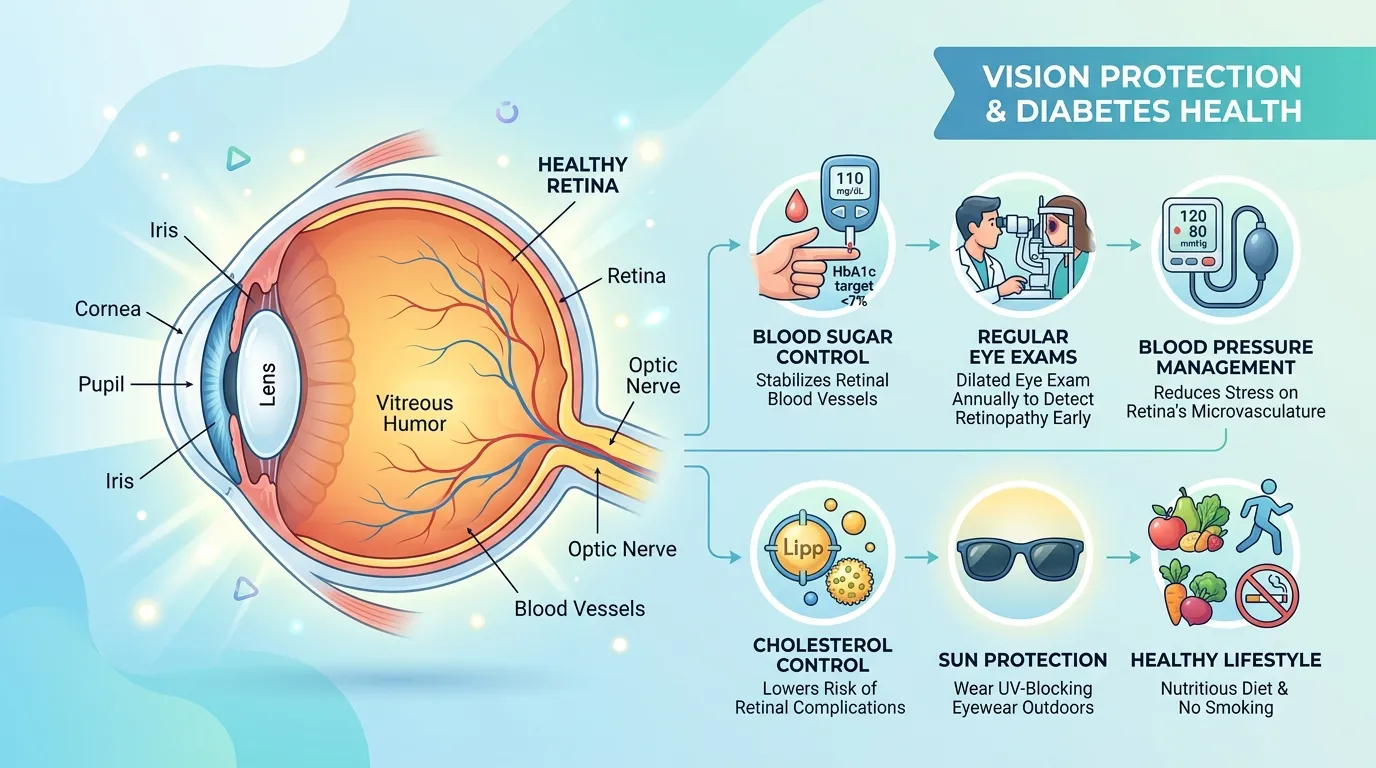
Your eyes allow you to read, drive, recognize loved ones, and enjoy the world around you. For people living with diabetes, protecting vision is an essential part of overall health. Over time, high blood glucose levels can damage the tiny blood vessels in the eyes, increasing the risk of several vision-threatening conditions.
The encouraging news is that many diabetes-related eye complications can be prevented, delayed, or successfully treated when detected early. Regular comprehensive eye exams, healthy lifestyle habits, and consistent diabetes management all play important roles in preserving vision.
This guide explains how diabetes affects the eyes, common eye conditions linked to diabetes, warning signs to watch for, and practical steps you can take to protect your eyesight for years to come.
How Diabetes Affects the Eyes
The eyes contain many tiny blood vessels that deliver oxygen and nutrients to delicate tissues, including the retina—the light-sensitive layer at the back of the eye that sends visual information to the brain.
When blood glucose remains elevated over long periods, these small blood vessels can become weakened or damaged. This may lead to:
- Leakage of fluid or blood
- Swelling within the retina
- Poor circulation
- Growth of abnormal new blood vessels
- Damage to vision
These changes often occur gradually, which is why regular eye care is so important even if your vision seems normal.
Common Eye Conditions Associated with Diabetes
Several eye diseases occur more frequently in people with diabetes.
Diabetic Retinopathy
Diabetic retinopathy is one of the most common diabetes-related eye complications and a leading cause of vision loss among working-age adults.
It develops when high blood glucose damages the blood vessels in the retina.
There are two main stages:
- Nonproliferative Diabetic Retinopathy (NPDR)
In the early stage, blood vessels weaken and may leak small amounts of fluid or blood into the retina.
Many people have no symptoms during this stage.
Proliferative Diabetic Retinopathy (PDR)
As the disease progresses, the eye may grow fragile new blood vessels to compensate for poor circulation.
These abnormal vessels can bleed, scar, or cause retinal detachment, increasing the risk of severe vision loss if not treated promptly.
Diabetic Macular Edema (DME)
The macula is the central portion of the retina responsible for sharp, detailed vision used for reading and recognizing faces.
When damaged blood vessels leak fluid into the macula, swelling develops. This condition is called diabetic macular edema.
Symptoms may include:
- Blurred central vision
- Difficulty reading
- Colors appearing faded
- Distorted or wavy vision
DME can occur at any stage of diabetic retinopathy and often requires prompt evaluation and treatment.
Cataracts
A cataract is the clouding of the eye's natural lens.
Although cataracts commonly develop with age, people with diabetes often develop them earlier and they may progress more quickly.
Symptoms include:
- Blurry vision
- Increased glare from lights
- Difficulty seeing at night
- Frequent changes in eyeglass prescriptions
- Colors appearing dull or yellowish
Modern cataract surgery is generally safe and highly effective for restoring vision in appropriate candidates.
Glaucoma
Glaucoma refers to a group of eye diseases that damage the optic nerve, often due to increased pressure inside the eye.
People with diabetes have a higher risk of developing certain types of glaucoma.
Without treatment, glaucoma can gradually reduce peripheral (side) vision and eventually threaten central vision.
Because glaucoma often develops without noticeable symptoms, regular eye examinations remain essential.
Early Eye Disease May Not Cause Symptoms
One of the biggest challenges with diabetic eye disease is that serious damage may occur before any vision changes are noticed.
Many people continue seeing normally during the early stages of diabetic retinopathy.
By the time symptoms appear, significant damage may already have occurred.
For this reason, routine comprehensive dilated eye examinations are one of the most effective ways to detect problems early.
Warning Signs That Should Never Be Ignored
Although early disease may be symptom-free, contact an eye care professional promptly if you experience:
- Blurred or fluctuating vision
- Dark or empty areas in your vision
- Floaters that suddenly increase
- Flashes of light
- Difficulty reading
- Poor night vision
- Distorted straight lines
- Partial loss of vision
- Sudden vision loss in one or both eyes
Sudden or significant changes in vision should always be treated as a medical urgency.
Why Comprehensive Dilated Eye Exams Matter
A routine vision screening that checks whether you need glasses is not the same as a comprehensive dilated eye examination.
During a dilated exam, special eye drops widen (dilate) the pupils, allowing the eye care professional to examine the retina, optic nerve, and blood vessels in detail.
These examinations can detect eye disease before symptoms develop, providing an opportunity for early treatment that may help preserve vision.
Many adults with diabetes are advised to have a comprehensive dilated eye examination at least once a year, although your eye care professional may recommend a different schedule based on your eye health and medical history.
Keep Blood Glucose Within Your Target Range
Consistently managing blood glucose is one of the most effective ways to reduce the risk of diabetic eye disease.
Healthy blood glucose management may help:
- Reduce damage to retinal blood vessels
- Slow progression of diabetic retinopathy
- Lower the risk of diabetic macular edema
- Support overall eye health
- Helpful habits include:
- Taking medications as prescribed
- Monitoring blood glucose regularly
- Following a balanced eating pattern
- Staying physically active
- Keeping regular medical appointments
Even gradual improvements in blood glucose management can contribute to better long-term outcomes.
Manage Blood Pressure and Cholesterol
Blood glucose is only one part of the picture.
High blood pressure and elevated cholesterol can also damage blood vessels throughout the body, including those in the eyes.
Working with your healthcare provider to manage these conditions may help reduce the risk of diabetes-related eye complications.
Strategies include:
- Taking prescribed medications consistently
- Limiting excess sodium intake
- Eating heart-healthy foods
- Exercising regularly
- Maintaining a healthy weight
- Avoiding tobacco products
- Supporting overall cardiovascular health also supports healthy vision.
- Don't Smoke
Smoking damages blood vessels throughout the body, including those that supply the eyes.
For people with diabetes, smoking can:
- Reduce blood flow to the retina
- Increase inflammation
- Accelerate blood vessel damage
- Raise the risk of diabetic retinopathy progression
- Increase the risk of cardiovascular disease
Quitting smoking is one of the most beneficial steps you can take for your eyes and your overall health. If you need support, speak with your healthcare provider about smoking cessation programs, counseling, or medications that may help.
Pregnancy and Diabetic Eye Health
Pregnancy can temporarily increase the risk of diabetic retinopathy progressing, particularly in women who already have diabetes before becoming pregnant.
If you have diabetes and are pregnant—or planning to become pregnant—talk with both your diabetes care provider and your eye care professional.
They may recommend:
- A comprehensive dilated eye exam before pregnancy or early in pregnancy
- Additional eye exams during pregnancy
- Careful monitoring of blood glucose and blood pressure
- Early monitoring helps identify changes that may require treatment.
- Protect Your Eyes Every Day
- Daily habits also contribute to long-term eye health.
- Simple ways to care for your eyes include:
- Wearing sunglasses that block 100% of UVA and UVB rays when outdoors
- Using protective eyewear during sports or home improvement projects
Taking regular breaks from digital screens using the 20-20-20 rule (every 20 minutes, look at something about 20 feet away for 20 seconds)
Keeping contact lenses clean and following recommended replacement schedules
Getting adequate sleep to reduce eye strain and support overall health
These habits won't prevent diabetic retinopathy on their own, but they can help maintain overall eye comfort and health.
Eat for Healthy Vision
A nutritious eating pattern supports both diabetes management and eye health.
Include foods rich in:
- Vitamin A
- Supports normal vision and eye function.
- Examples include:
- Sweet potatoes
- Carrots
- Spinach
- Kale
- Vitamin C
- Acts as an antioxidant that helps protect cells from damage.
- Sources include:
- Oranges
- Strawberries
- Bell peppers
- Broccoli
- Vitamin E
- Supports healthy cells throughout the body.
- Found in:
- Almonds
- Sunflower seeds
- Hazelnuts
- Omega-3 Fatty Acids
- These healthy fats support retinal health and heart health.
- Good sources include:
- Salmon
- Sardines
- Trout
- Mackerel
Eating a variety of fruits, vegetables, whole grains, lean proteins, and healthy fats provides many of the nutrients needed to support healthy vision.
Treatment Options for Diabetic Eye Disease
If diabetic eye disease develops, several effective treatments are available. The best option depends on the type and severity of the condition.
Anti-VEGF Injections
Medications called anti-vascular endothelial growth factor (anti-VEGF) agents may be injected into the eye to reduce abnormal blood vessel growth and swelling associated with diabetic macular edema or proliferative diabetic retinopathy.
Laser Therapy
Laser treatment may be used to seal leaking blood vessels or reduce the growth of abnormal new blood vessels in certain cases.
Vitrectomy
For advanced diabetic retinopathy, surgery called a vitrectomy may be recommended to remove blood or scar tissue from the eye.
Cataract Surgery
When cataracts significantly interfere with vision, cataract surgery can replace the cloudy natural lens with a clear artificial lens.
Early diagnosis often allows treatment to begin before significant vision loss occurs.
Monitor Vision Changes Between Eye Exams
Regular eye exams are essential, but it's also important to pay attention to changes that occur between appointments.
Contact your eye care professional if you notice:
- New floaters
- Flashes of light
- Blurred vision that doesn't improve
- Distorted vision
- Difficulty reading
- Loss of side vision
- Sudden changes in vision
Prompt evaluation can help identify serious problems before permanent damage occurs.
Eye Health Is Part of Diabetes Management
Managing diabetes involves caring for your entire body—including your eyes.
Healthy vision depends on many daily choices, including:
- Managing blood glucose
- Controlling blood pressure
- Maintaining healthy cholesterol levels
- Staying physically active
- Eating a balanced diet
- Not smoking
- Keeping regular medical and eye care appointments
These habits work together to reduce the risk of diabetes-related complications and support long-term quality of life.
Frequently Asked Questions
Can diabetic eye disease be prevented?
While it may not always be completely preventable, maintaining healthy blood glucose, blood pressure, and cholesterol levels, along with regular comprehensive eye exams, can significantly reduce the risk of vision-threatening complications.
How often should people with diabetes have an eye exam?
Many adults with diabetes are advised to have a comprehensive dilated eye examination at least once a year. Your eye care professional may recommend more frequent visits depending on your eye health and medical history.
Can diabetic retinopathy be treated?
Yes. Treatments such as anti-VEGF injections, laser therapy, and surgery can help slow disease progression and preserve vision when appropriate.
Is blurry vision always caused by diabetic retinopathy?
No. Blurry vision can have many causes, including changes in blood glucose levels, cataracts, glaucoma, dry eyes, or other eye conditions. Any persistent or sudden vision changes should be evaluated by an eye care professional.
Why are dilated eye exams important if my vision seems normal?
Early diabetic eye disease often develops without noticeable symptoms. A dilated eye examination allows the eye care professional to detect problems before they affect your vision, increasing the chances of successful treatment.
Key Takeaways
Diabetes can damage the small blood vessels in the eyes, increasing the risk of diabetic retinopathy, diabetic macular edema, cataracts, and glaucoma.
Early diabetic eye disease often has no symptoms, making routine comprehensive dilated eye exams essential.
Managing blood glucose, blood pressure, and cholesterol helps reduce the risk of vision loss.
Avoiding smoking, eating a nutrient-rich diet, staying physically active, and protecting your eyes from injury and excessive UV exposure all support long-term eye health.
Modern treatments—including anti-VEGF injections, laser therapy, and surgery—can help preserve vision when diabetic eye disease is detected early.
Report any sudden or persistent changes in vision to an eye care professional promptly.
Protecting your eyesight is an important part of overall diabetes management and can help maintain independence and quality of life.