
Diabetes and Frequent Infections: Why You May Get Sick More Often
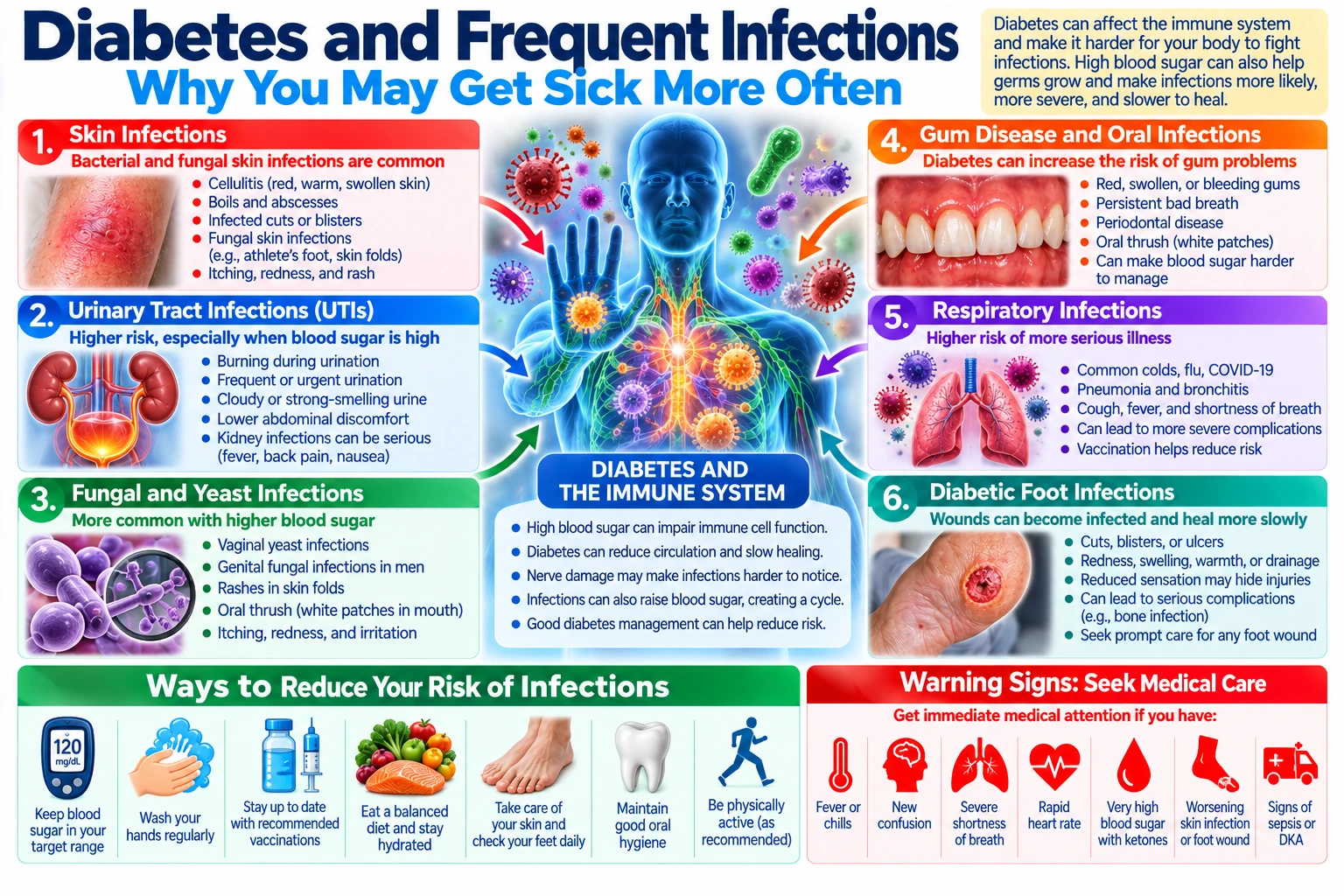
Have you noticed that you seem to develop infections more often than other people?
Perhaps you experience recurring urinary tract infections, frequent yeast infections, skin problems that take longer to clear, or wounds that seem unusually slow to heal.
If you have diabetes, you may wonder:
“Is my diabetes making me more likely to get infections?”
The answer is that diabetes can increase the risk of certain infections, particularly when blood glucose remains elevated over time.
Diabetes can affect several processes involved in the body's defense against harmful microorganisms. High glucose may interfere with normal immune cell activity, while diabetes-related circulation problems and nerve damage can make some infections more difficult to recognize and manage.
But having diabetes does not mean you will constantly become sick.
Many people with diabetes do not experience frequent infections, especially when their condition is managed effectively.
Understanding the connection between diabetes and infection can help you recognize symptoms earlier, reduce preventable risks, and seek appropriate treatment when needed.
Can Diabetes Weaken Your Immune System?
The immune system is the body's defense network against infections.
It includes:
- White blood cells
- Antibodies
- Immune signaling molecules
- Skin and mucous membranes
- Lymph nodes
- Other tissues and organs involved in immune protection
These components work together to recognize and respond to bacteria, viruses, fungi, and other harmful microorganisms.
Diabetes can influence how effectively certain parts of this system function.
How High Blood Sugar Affects Immune Function
Persistent hyperglycemia may interfere with several immune responses.
Research suggests that elevated glucose can affect the activity of certain white blood cells, including neutrophils.
Neutrophils help the body respond to bacterial and fungal infections.
When their function is impaired, the body's ability to respond effectively to some microorganisms may be reduced.
High glucose may also influence inflammatory signaling and other processes involved in immune defense.
However, immune function is complex, and infection risk depends on many factors beyond glucose alone.
Does Everyone With Diabetes Have a Weak Immune System?
No.
Diabetes does not affect every person's immune system in the same way.
Risk may depend on:
- Glucose management
- Diabetes duration
- Age
- Circulation
- Kidney function
- Other medical conditions
- Medications
- Exposure to infectious organisms
- Personal hygiene and skin health
Someone with well-managed diabetes may have a very different infection risk from someone with prolonged hyperglycemia and advanced complications.
The goal is not to assume that diabetes makes every infection inevitable.
Instead, it is to understand where additional precautions may be helpful.
Why High Blood Sugar Can Make Infections More Likely
High glucose may contribute to infection risk through several mechanisms.
1. Changes in Immune Cell Function
Elevated glucose can impair certain immune responses.
This may affect how effectively the body identifies and responds to infectious organisms.
2. Reduced Circulation
Over time, diabetes can damage blood vessels.
Poor circulation may reduce the delivery of oxygen, nutrients, and immune cells to affected tissues.
This can be especially important in the feet and lower legs.
3. Nerve Damage
Diabetic neuropathy can reduce sensation.
A person may not notice:
- Small cuts
- Blisters
- Pressure injuries
- Burns
- Skin cracks
If an injury goes unnoticed, an infection may develop before the person realizes there is a problem.
4. Changes in Skin Health
Diabetes may contribute to dry skin and impaired skin integrity.
Cracks and breaks in the skin can create openings for microorganisms.
5. Glucose in Urine
When blood glucose is sufficiently elevated, glucose may appear in the urine.
This can create conditions that favor the growth of certain microorganisms, although urinary infections have multiple causes.
Why Infections Can Raise Blood Sugar
The relationship between diabetes and infections works in both directions.
High glucose can increase susceptibility to some infections.
Meanwhile, infections can make glucose more difficult to manage.
When the body is fighting an infection, it releases stress hormones and inflammatory signals.
These can increase insulin resistance and stimulate glucose production.
As a result, blood glucose may rise even if you are eating less than usual.
The Diabetes-Infection Cycle
A simplified pattern looks like this:
Elevated glucose → increased susceptibility to certain infections → illness-related stress response → higher glucose
This does not happen in every case, but it helps explain why infections sometimes lead to unexpected glucose readings.
It also highlights the importance of monitoring glucose during illness.
Can Infection Cause Low Blood Sugar?
Yes, in some circumstances.
Although illness often raises glucose, low blood sugar can occur when someone:
- Eats less than usual
- Vomits
- Has diarrhea
- Continues taking insulin or certain glucose-lowering medications without appropriate adjustments
- Experiences changes in kidney function
- Develops severe illness
This is why sick-day planning should account for both hyperglycemia and hypoglycemia.
1. Skin Infections
Skin infections are among the important infection-related concerns for people with diabetes.
Common examples include:
- Cellulitis
- Folliculitis
- Boils
- Abscesses
- Infected cuts
- Certain fungal skin infections
The skin normally acts as a protective barrier.
When that barrier is damaged, bacteria or fungi may enter and cause infection.
Cellulitis
Cellulitis is a bacterial infection involving deeper layers of the skin and underlying tissue.
Symptoms may include:
- Redness or discoloration
- Warmth
- Swelling
- Tenderness
- Pain
- Fever in some cases
The affected area may expand over time.
Cellulitis often requires antibiotic treatment.
Why Cellulitis Deserves Attention
In people with diabetes, especially those with circulation problems or neuropathy, skin infections can become complicated.
An infection involving the foot or lower leg may require particularly careful assessment.
Seek prompt medical evaluation for spreading redness, increasing swelling, significant pain, fever, or an infected wound.
Boils and Abscesses
A boil is a painful, pus-filled skin infection that usually begins around a hair follicle.
An abscess is a localized collection of pus.
Possible symptoms include:
- A painful lump
- Redness
- Warmth
- Swelling
- Drainage
Some abscesses require drainage by a healthcare professional.
Do not attempt to cut or drain a significant abscess yourself.
2. Fungal Skin Infections
Fungal infections may affect areas where moisture and friction accumulate.
Examples include:
- Between the toes
- Under the breasts
- In the groin
- In skin folds
- Around the nails
Certain fungal infections are more common in people with diabetes, particularly when glucose is persistently elevated.
Common Symptoms
Fungal skin infections may cause:
- Itching
- Redness
- Scaling
- Peeling
- Burning
- Cracking
- Rash
The appearance varies depending on the organism and location.
Why Skin Folds Are Vulnerable
Warm, moist environments can favor fungal growth.
Sweating, friction, and limited airflow may contribute.
Keeping skin clean and appropriately dry can help reduce some risks.
However, not every rash is fungal.
Persistent or recurring rashes should be evaluated to confirm the diagnosis.
3. Yeast Infections
Yeast infections are commonly caused by fungi from the Candida group.
Candida organisms can normally live on parts of the body without causing problems.
Under certain conditions, they may multiply excessively and produce symptoms.
People with diabetes may be more susceptible to certain Candida infections, especially when glucose is elevated.
Vaginal Yeast Infections
Possible symptoms include:
- Vulvar itching
- Burning
- Redness
- Irritation
- Thick vaginal discharge
- Discomfort during urination or sexual activity
Not every episode of itching or discharge is caused by yeast.
Bacterial vaginosis, sexually transmitted infections, dermatitis, and other conditions may produce similar symptoms.
Why Recurrent Yeast Infections Matter
Repeated infections may indicate:
- Persistent hyperglycemia
- Antibiotic exposure
- Hormonal changes
- Other contributing factors
If yeast infections recur, a healthcare professional may recommend testing to confirm the organism and guide treatment.
Yeast Infections in Men
Men can also develop genital yeast infections.
Possible symptoms include:
- Redness
- Itching
- Irritation
- Rash
- Discomfort around the glans or foreskin
These symptoms should be evaluated when persistent, severe, or recurrent.
4. SGLT2 Inhibitors and Genital Fungal Infections
SGLT2 inhibitors are medications used for Type 2 diabetes and, in selected patients, certain heart and kidney conditions.
Examples include medications containing:
- Empagliflozin
- Dapagliflozin
- Canagliflozin
These medications help lower glucose by increasing glucose excretion through urine.
This mechanism can increase the risk of genital fungal infections.
Does This Mean SGLT2 Inhibitors Are Unsafe?
Not necessarily.
These medications can provide important cardiovascular and kidney benefits for appropriate patients.
The possibility of genital fungal infections is one factor healthcare professionals consider when prescribing them.
If you develop recurrent genital symptoms while taking an SGLT2 inhibitor, discuss them with your clinician.
Do not discontinue medication without medical guidance.
A Rare but Serious Infection
SGLT2 inhibitors have also been associated with rare cases of Fournier gangrene, a severe infection involving tissues around the genitals and perineum.
Warning signs can include:
- Severe pain or tenderness in the genital or perineal area
- Swelling
- Redness or discoloration
- Fever
- Feeling very unwell
This is a medical emergency.
Seek immediate care if these symptoms occur.
5. Urinary Tract Infections
A urinary tract infection, or UTI, occurs when microorganisms infect part of the urinary system.
This may involve:
- The bladder
- The urethra
- The kidneys
People with diabetes may have an increased risk of certain urinary infections, particularly when other risk factors are present.
Symptoms of a Bladder Infection
Common symptoms include:
- Burning during urination
- Frequent urination
- Urgent need to urinate
- Lower abdominal discomfort
- Cloudy urine
- Blood in the urine
Some symptoms can overlap with hyperglycemia.
For example, frequent urination can occur with both high glucose and a UTI.
How Can You Tell the Difference?
High glucose may cause increased urination and thirst.
A UTI is more likely to cause burning, urgency, discomfort, or other urinary symptoms.
However, symptoms alone cannot always distinguish them.
A healthcare professional may recommend urine testing.
6. Kidney Infections
A kidney infection, also called pyelonephritis, is generally more serious than a simple bladder infection.
Possible symptoms include:
- Fever
- Chills
- Pain in the back or side
- Nausea
- Vomiting
- Urinary symptoms
Kidney infections require prompt medical treatment.
People with diabetes may be at increased risk of complicated urinary infections.
Why Kidney Infections Can Be Dangerous
An untreated kidney infection may lead to:
- Kidney injury
- Infection spreading into the bloodstream
- Sepsis
- Other serious complications
If you have diabetes and develop fever with flank pain, vomiting, or significant urinary symptoms, seek prompt medical care.
7. Asymptomatic Bacteriuria
Sometimes bacteria are found in urine even when a person has no urinary symptoms.
This is called asymptomatic bacteriuria.
It is important because bacteria in urine do not always mean an infection requires treatment.
For most nonpregnant adults with diabetes, routine screening or antibiotic treatment for asymptomatic bacteriuria is not recommended.
Exceptions may apply in certain circumstances, including pregnancy or before specific urologic procedures.
Unnecessary antibiotics can cause side effects and contribute to antibiotic resistance.
8. Diabetic Bladder Problems and Infection Risk
Diabetic autonomic neuropathy can sometimes affect bladder function.
A person may experience:
- Difficulty emptying the bladder
- Reduced bladder sensation
- Urinary retention
- Changes in urinary frequency
When urine remains in the bladder for prolonged periods, the risk of urinary infection may increase.
If you repeatedly develop UTIs or have difficulty emptying your bladder, discuss these symptoms with your healthcare provider.
9. Gum Disease and Oral Infections
Diabetes and oral health are closely connected.
Periodontal disease affects the gums and structures supporting the teeth.
People with diabetes may have an increased risk of gum disease, particularly when glucose is poorly controlled.
Signs of Gum Disease
Possible symptoms include:
- Bleeding gums
- Red or swollen gums
- Persistent bad breath
- Gum tenderness
- Receding gums
- Loose teeth
Early gum disease may cause relatively mild symptoms.
Advanced periodontal disease can damage the tissues and bone supporting the teeth.
Why Gum Disease and Diabetes Affect Each Other
Diabetes can influence inflammation and the body's response to oral bacteria.
Meanwhile, significant periodontal inflammation may make glucose management more challenging in some people.
This relationship makes dental care an important part of diabetes management.
10. Oral Thrush
Oral thrush is a fungal infection involving Candida.
Possible symptoms include:
- White patches inside the mouth
- Red or irritated areas
- Soreness
- Burning
- Changes in taste
- Discomfort while eating
Oral thrush can occur for several reasons, including:
- Diabetes
- Antibiotic use
- Certain inhaled medications
- Denture-related factors
- Immune suppression
Persistent mouth symptoms should be evaluated rather than treated repeatedly without confirming the cause.
11. Respiratory Infections
Respiratory infections affect the nose, throat, airways, or lungs.
Examples include:
- Influenza
- COVID-19
- Pneumonia
- Other viral or bacterial respiratory infections
Diabetes can increase the risk of serious outcomes from certain infections.
This is one reason prevention and early recognition are important.
Symptoms to Watch For
Respiratory infections may cause:
- Cough
- Fever
- Chills
- Sore throat
- Congestion
- Fatigue
- Chest discomfort
- Shortness of breath
Symptoms vary depending on the infection.
Why Pneumonia Can Be More Concerning
Pneumonia causes inflammation in the lungs.
It may interfere with normal oxygen exchange.
Possible symptoms include:
- Fever
- Cough
- Chest discomfort
- Rapid breathing
- Shortness of breath
- Significant fatigue
Older adults may sometimes have less obvious fever or present with confusion and weakness.
Breathing difficulty or other concerning symptoms require prompt evaluation.
12. Diabetic Foot Infections
Foot infections are particularly important because diabetes can affect both circulation and sensation.
Peripheral neuropathy may reduce the ability to feel injuries.
Peripheral artery disease can reduce blood flow to the feet.
Together, these problems may increase the risk of wounds and complications.
How Foot Infections Begin
A foot infection may develop after:
- A blister
- A small cut
- A puncture wound
- A cracked heel
- An ingrown toenail
- Pressure from poorly fitting shoes
If sensation is reduced, the injury may go unnoticed.
Signs of a Foot Infection
Warning signs may include:
- Redness
- Swelling
- Warmth
- Drainage
- Pus
- Unusual odor
- Skin discoloration
- A wound that is worsening
Some people with neuropathy may not experience much pain even when an infection is significant.
Why Foot Infections Need Early Treatment
An untreated infection can spread into deeper tissues.
In severe cases, it may involve bone, a condition called osteomyelitis.
Advanced infection can threaten the affected limb and may require hospitalization.
If you have diabetes and develop a new foot wound with signs of infection, seek prompt medical evaluation.
13. Why Some Wounds Heal More Slowly
Wound healing is a complex process involving:
- Blood circulation
- Immune responses
- Tissue repair
- Oxygen delivery
- Nutrition
- Protection from repeated injury
Diabetes may interfere with several of these processes.
High Glucose and Wound Healing
Persistent hyperglycemia can impair aspects of immune function and tissue repair.
Poor Circulation
Reduced blood flow can limit oxygen and nutrient delivery.
Neuropathy
Reduced sensation can allow repeated pressure or injury to continue without being noticed.
Infection
An infected wound may become more inflamed and difficult to heal.
However, not every slow-healing wound is caused by diabetes.
A healthcare professional should assess wounds that are not improving as expected.
14. Why Do Some Infections Keep Coming Back?
Recurrent infections may have several explanations.
Possible contributors include:
- Persistent hyperglycemia
- Incomplete treatment
- Repeated exposure
- Medication effects
- Anatomical problems
- Urinary retention
- Skin moisture or irritation
- Resistant microorganisms
- Other medical conditions
Sometimes what appears to be a recurring infection is actually a different condition with similar symptoms.
For example, repeated genital itching may be caused by dermatitis rather than a fungal infection.
Testing may be necessary to confirm the diagnosis.
15. Does Dehydration Increase Infection Risk?
Dehydration can affect general health and may complicate illness.
For example, inadequate fluid intake can worsen symptoms during fever, vomiting, or diarrhea.
However, drinking extra water does not reliably prevent every infection.
Urinary infections, skin infections, and fungal infections have different causes.
Hydration is one part of maintaining health, not a substitute for infection prevention or medical treatment.
16. Can Infections Develop Without a Fever?
Yes.
Not every infection causes fever.
Some people, including older adults and those with certain medical conditions, may develop significant infections without a high temperature.
Other warning signs may include:
- New confusion
- Unusual weakness
- Rapid breathing
- Increased heart rate
- Localized redness or swelling
- Worsening wounds
- Unexplained glucose changes
A normal temperature does not automatically rule out infection.
17. Can High Blood Sugar Be a Sign of Infection?
Sometimes.
An infection may increase glucose even when a person's usual medication and eating patterns have not changed.
For example, someone who typically has stable glucose may notice repeated elevated readings while developing a respiratory or urinary infection.
However, high glucose alone does not prove that an infection is present.
Other factors such as stress, missed medication, dietary changes, and hormonal changes can also affect glucose.
18. When an Infection Can Trigger DKA
Infection is a common trigger for diabetic ketoacidosis.
During illness, stress hormones may increase insulin requirements.
If the body does not have enough effective insulin, ketone production may rise.
Warning signs of DKA include:
- Nausea
- Vomiting
- Abdominal pain
- Excessive thirst
- Frequent urination
- Deep or rapid breathing
- Fruity-smelling breath
- Confusion
DKA is a medical emergency.
It can occur in people with Type 1 diabetes and, under certain circumstances, Type 2 diabetes.
People taking SGLT2 inhibitors should also be aware that DKA can sometimes occur without extremely elevated glucose.
19. What Is Sepsis?
Sepsis is a life-threatening condition that occurs when the body's response to infection causes organ dysfunction.
It can develop from infections involving:
- The lungs
- The urinary tract
- The abdomen
- The skin
- Other body systems
Sepsis requires urgent medical treatment.
Warning Signs of Sepsis
Possible symptoms include:
- New confusion or disorientation
- Rapid breathing
- Shortness of breath
- Extreme weakness
- Fever or unusually low body temperature
- Rapid heart rate
- Clammy or unusually cold skin
- Severe illness or rapidly worsening symptoms
Sepsis may occur even without a high fever.
Why Early Treatment Matters
Sepsis can progress rapidly.
Treatment may require hospitalization, intravenous antibiotics, fluids, and other supportive care.
If someone with a suspected infection develops confusion, severe breathing difficulty, fainting, or signs of shock, seek emergency medical attention immediately.
20. Necrotizing Soft-Tissue Infections
A necrotizing soft-tissue infection is a rare but severe infection that can destroy skin and deeper tissues rapidly.
Possible warning signs include:
- Severe pain, sometimes disproportionate to visible skin changes
- Rapidly spreading swelling or discoloration
- Blisters
- Fever
- Severe weakness
- Signs of shock
People with diabetes may be at increased risk for certain severe soft-tissue infections.
These infections require emergency treatment.
Do not wait for a wound to develop obvious pus or a strong odor before seeking care when symptoms are rapidly worsening.
21. When Should You Contact Your Healthcare Provider?
Seek medical advice when you notice:
- Recurrent urinary symptoms
- Repeated yeast infections
- Persistent skin rashes
- A wound that is not healing
- New redness or swelling around a cut
- Gum swelling or dental pain
- Persistent cough or fever
- Unexplained elevated glucose during illness
- Symptoms that return soon after treatment
Earlier evaluation may prevent complications.
22. When Is an Infection an Emergency?
Seek emergency medical attention for:
- New confusion or altered consciousness
- Severe breathing difficulty
- Fainting or signs of shock
- Suspected DKA
- Rapidly spreading skin infection
- Severe pain with rapidly worsening swelling or discoloration
- Suspected necrotizing infection
- Signs of sepsis
- Severe illness with inability to keep fluids down
A serious infection should never be managed solely by increasing diabetes medication or drinking more water.
The Most Important Lesson From Part 1
Diabetes can increase susceptibility to certain infections, particularly when blood glucose remains elevated over time.
The relationship involves several factors, including:
- Changes in immune function
- Circulation problems
- Neuropathy
- Skin integrity
- Urinary and genital conditions
- Other diabetes-related complications
Common infection concerns include skin infections, fungal infections, UTIs, gum disease, respiratory infections, and diabetic foot infections.
Infections can also make glucose management more difficult.
This creates an important reason to monitor glucose during illness and follow an individualized sick-day plan.
However, not every infection in someone with diabetes is caused by high glucose.
And not every episode of elevated glucose indicates infection.
The most useful approach is to recognize symptoms, seek an accurate diagnosis, and begin appropriate treatment when necessary.
Can Frequent Infections in People With Diabetes Be Prevented?
Many infections can be prevented, and the risk of certain infections can be reduced.
However, no prevention strategy can eliminate every infection.
People with diabetes may benefit from paying particular attention to:
- Blood glucose management
- Skin health
- Foot care
- Oral hygiene
- Urinary symptoms
- Vaccinations
- Hand hygiene
- Early treatment of wounds
- Appropriate medical follow-up
The goal is not to become fearful of germs or constantly monitor every minor symptom.
Instead, it is to build practical habits that support the body's normal defenses and make infections easier to recognize early.
1. Keep Blood Glucose Within Your Individualized Target Range
Blood glucose management is one of the most important aspects of reducing diabetes-related complications.
Persistently elevated glucose can affect immune function, circulation, and wound healing.
Improving glucose management may help reduce some infection-related risks.
However, there is no single glucose target that guarantees protection from infection.
Targets depend on:
- Diabetes type
- Age
- Medications
- Hypoglycemia risk
- Pregnancy status
- Other medical conditions
- Individual health goals
Work with your diabetes care team to determine an appropriate target range.
Avoid Overcorrecting High Glucose
If you notice elevated glucose during illness, it may be tempting to take extra medication immediately.
However, repeated or excessive insulin corrections can increase the risk of hypoglycemia.
Follow your individualized correction plan and contact your diabetes care team when glucose remains unexpectedly elevated.
2. Monitor Glucose More Closely During Illness
Illness can make glucose less predictable.
Some infections cause glucose to rise because of stress hormones and inflammation.
At the same time, reduced food intake, vomiting, diarrhea, and certain medications can increase the risk of low glucose.
People using insulin or medications that can cause hypoglycemia may need additional monitoring.
CGM Can Help Identify Patterns
Continuous glucose monitoring can provide information about:
- Rising glucose
- Falling glucose
- Overnight changes
- Persistent hyperglycemia
- Repeated hypoglycemia
However, CGM does not diagnose an infection.
If glucose readings do not match your symptoms, follow device instructions, which may include confirming with a fingerstick.
3. Have a Diabetes Sick-Day Plan
A sick-day plan explains how to manage diabetes when you are ill.
It should be created with your healthcare team before an illness occurs.
A typical plan may address:
- How frequently to check glucose
- When to check ketones
- Which medications to continue
- Which medications may need temporary adjustment
- How to maintain hydration
- What to eat when appetite is poor
- When to contact a healthcare professional
- When emergency care is necessary
The plan should reflect your diabetes type, medications, and medical history.
Why Sick-Day Plans Matter
During illness, glucose can change even when you are not eating normally.
Someone who uses insulin may still require insulin while sick, particularly basal insulin in Type 1 diabetes.
Stopping insulin without appropriate medical guidance can increase the risk of diabetic ketoacidosis.
However, some other medications may require temporary adjustment during dehydration or significant illness.
Never assume that every diabetes medication should be handled the same way during sickness.
4. Understand When to Check Ketones
Ketones can accumulate when the body does not have enough effective insulin.
Excessive ketone production can lead to diabetic ketoacidosis.
Ketone testing may be recommended when:
- Glucose is persistently elevated
- You are experiencing significant illness
- You have vomiting or abdominal pain
- You have symptoms suggesting DKA
- Your sick-day plan specifically calls for testing
People with Type 1 diabetes should know how and when to check ketones.
People taking SGLT2 inhibitors should also understand the risk of ketoacidosis that may occur without markedly elevated glucose.
Blood Versus Urine Ketone Tests
Ketones can be measured using blood or urine tests.
Blood beta-hydroxybutyrate testing can provide useful information about current ketone levels.
Urine ketone tests may be less reflective of real-time changes.
Your healthcare team can explain which method is appropriate for your circumstances.
When Ketones Become an Emergency Concern
If you have vomiting, abdominal pain, deep or rapid breathing, confusion, or other symptoms suggesting DKA, seek emergency medical care.
Do not delay emergency treatment while repeatedly checking glucose or ketones at home.
5. Stay Appropriately Hydrated During Infection
Fever, sweating, vomiting, diarrhea, and elevated glucose can increase fluid loss.
Dehydration may worsen weakness and make diabetes management more difficult.
For many people, water and other appropriate fluids can help maintain hydration.
However, fluid needs vary.
People with advanced kidney disease or heart failure may have specific fluid recommendations.
What If You Cannot Keep Fluids Down?
Persistent vomiting or inability to keep fluids down is particularly concerning for people with diabetes.
It can lead to:
- Dehydration
- Electrolyte abnormalities
- Difficulty taking medications
- Unpredictable glucose
- Increased risk of metabolic complications
Seek prompt medical advice. Severe symptoms or signs of DKA require emergency care.
6. How Doctors Diagnose Infections
The correct treatment depends on the type of infection.
A healthcare professional may use:
- Medical history
- Physical examination
- Blood tests
- Urine testing
- Cultures
- Imaging
- Wound assessment
- Other tests when necessary
Not every infection requires every test.
For example, a straightforward fungal skin infection may be diagnosed clinically, while a complicated urinary infection may require urine culture.
7. Why Cultures Are Sometimes Important
A culture is a laboratory test that helps identify microorganisms causing an infection.
Cultures may be collected from:
- Urine
- Blood
- Wounds
- Respiratory samples
- Other infected areas
Culture results can help guide treatment, especially when infections are severe, recurrent, or not responding to initial therapy.
Antibiotic Resistance
Some bacteria are resistant to certain antibiotics.
Resistance can develop and spread when antibiotics are used unnecessarily or incorrectly.
This is one reason accurate diagnosis and appropriate medication selection matter.
8. Antibiotics: When Are They Needed?
Antibiotics treat bacterial infections.
They do not treat viral infections such as the common cold or influenza.
Depending on the diagnosis, antibiotics may be used for:
- Certain skin infections
- Symptomatic bacterial UTIs
- Kidney infections
- Bacterial pneumonia
- Infected diabetic foot wounds
The medication, dose, and duration depend on the organism, infection location, severity, allergies, kidney function, and other factors.
Should You Take Antibiotics Just in Case?
Generally, no.
Taking antibiotics without a confirmed or sufficiently suspected bacterial infection can lead to:
- Side effects
- Allergic reactions
- Antibiotic resistance
- Disruption of normal microorganisms
Do not use leftover antibiotics or another person's prescription.
Follow Your Prescribed Treatment Plan
Take antibiotics exactly as directed.
If you experience side effects, worsening symptoms, or difficulty taking the medication, contact your healthcare professional.
Do not independently extend or shorten treatment.
9. Antifungal Medications for Yeast Infections
Fungal infections require antifungal treatment rather than antibiotics.
Depending on the location and severity, treatment may involve:
- Topical antifungal creams
- Vaginal antifungal treatments
- Oral antifungal medication
- Other prescription therapies
Recurrent infections may require additional testing.
Why Repeated Self-Treatment Can Be a Problem
Itching, burning, and redness are not always caused by yeast.
Other conditions may resemble fungal infections.
Repeatedly using antifungal medication without confirming the diagnosis may delay appropriate treatment.
If symptoms recur frequently, seek medical evaluation.
10. Preventing Recurrent Yeast Infections
Practical measures may include:
- Managing glucose according to your treatment plan
- Keeping skin folds clean and appropriately dry
- Changing out of damp clothing
- Wearing breathable clothing
- Avoiding irritating hygiene products
- Seeking evaluation for recurring symptoms
These measures may help reduce some contributing factors, but they do not guarantee prevention.
Should You Avoid All Sugar to Prevent Yeast Infections?
No.
The relationship between diabetes and fungal infections is more complex than simply eating sugar.
Persistent hyperglycemia may increase susceptibility, but eliminating all dietary carbohydrates is not an established treatment for recurrent yeast infections.
Focus on an appropriate diabetes nutrition plan and medical evaluation when infections recur.
11. Preventing Urinary Tract Infections
UTI prevention depends partly on individual risk factors.
Helpful habits may include:
- Maintaining appropriate hydration
- Avoiding unnecessarily delaying urination
- Addressing constipation when relevant
- Practicing gentle genital hygiene
- Managing glucose
- Seeking evaluation for recurrent urinary symptoms
Some people may have additional risk factors such as urinary retention, anatomical abnormalities, or hormonal changes.
Don't Treat Every Positive Urine Test
Bacteria can sometimes be present in urine without causing symptoms.
This is called asymptomatic bacteriuria.
For most nonpregnant adults with diabetes, antibiotics are not recommended solely because bacteria are found in the urine.
Exceptions include pregnancy and certain urologic procedures.
Your healthcare professional can determine when treatment is appropriate.
12. Recurrent UTIs Need a Closer Look
If urinary infections repeatedly return, your healthcare provider may investigate:
- Whether infections were confirmed by testing
- Which organisms were involved
- Antibiotic resistance
- Bladder emptying problems
- Kidney stones
- Menopausal changes
- Other urinary tract conditions
Treatment may include individualized prevention strategies.
Avoid repeatedly taking antibiotics without reviewing why symptoms are returning.
13. Protect Your Skin From Infection
Healthy skin provides an important barrier against microorganisms.
Daily skin care can help reduce cracks, irritation, and unnoticed injuries.
Practical steps include:
- Washing gently
- Drying carefully
- Moisturizing dry areas
- Avoiding harsh products
- Treating minor injuries appropriately
- Monitoring persistent rashes
Dry Skin Can Become Cracked Skin
Diabetes-related autonomic neuropathy may contribute to reduced sweating and dry skin, especially in the feet.
Cracks can create openings for bacteria.
Applying moisturizer to appropriate dry areas may help protect the skin.
However, avoid placing moisturizer between the toes unless specifically instructed, because excess moisture can encourage fungal growth.
14. Treat Small Cuts Carefully
For a minor cut, general first-aid measures may include:
- Washing your hands
- Gently cleaning the wound with water
- Controlling bleeding with gentle pressure
- Protecting the wound with an appropriate dressing
- Monitoring for infection
Avoid repeatedly applying harsh antiseptics that may irritate healing tissue.
When a Small Wound Is Not Small Anymore
Seek medical evaluation when a wound:
- Becomes increasingly red
- Develops swelling or warmth
- Produces pus
- Becomes more painful
- Has spreading discoloration
- Does not improve as expected
People with neuropathy or poor circulation may need earlier assessment, particularly for foot wounds.
15. Daily Foot Checks Are Essential
For people with diabetes, foot inspection is an important prevention habit.
Check for:
- Cuts
- Blisters
- Redness
- Swelling
- Cracks
- Calluses
- Ingrown toenails
- Drainage
- Skin discoloration
If you cannot see the bottoms of your feet, use a mirror or ask someone you trust to help.
Why Neuropathy Makes Foot Checks Important
Neuropathy can reduce the ability to feel pain.
A blister or puncture wound may develop without causing obvious discomfort.
Regular inspection can help identify problems before they worsen.
16. Choose Footwear Carefully
Poorly fitting shoes can create friction and pressure.
For someone with reduced sensation, this may lead to unnoticed injury.
Choose shoes that:
- Fit properly
- Protect the toes
- Avoid excessive rubbing
- Provide appropriate support
Inspect the inside of shoes for foreign objects before wearing them if you have neuropathy.
Avoid walking barefoot when you have reduced foot sensation or a high risk of injury.
17. Never Ignore an Infected Foot Wound
An infected diabetic foot wound may require:
- Antibiotics
- Wound cleaning or debridement
- Pressure relief
- Circulation assessment
- Imaging
- Specialist care
Some infections involve deeper tissues or bone.
Early treatment can reduce the risk of serious complications.
A new diabetic foot wound with signs of infection should receive prompt medical attention, even when it is not painful.
18. Dental Care Helps Reduce Oral Infection Risk
Good oral hygiene is especially important for people with diabetes.
Practical habits include:
- Brushing twice daily with fluoride toothpaste
- Cleaning between teeth daily
- Attending recommended dental appointments
- Reporting bleeding or swollen gums
- Avoiding tobacco
- Managing glucose
Gum Disease May Be Silent Early On
Mild gum disease may cause little discomfort.
Bleeding during brushing can be an early warning sign.
Do not assume bleeding gums are normal.
A dental professional can assess gum health and recommend appropriate treatment.
19. What If You Have Oral Thrush?
Oral thrush may require antifungal treatment.
Your healthcare professional or dentist may also review contributing factors such as:
- Glucose management
- Denture hygiene
- Recent antibiotic use
- Inhaled corticosteroid use
- Other medical conditions
If you use a corticosteroid inhaler, follow instructions about rinsing your mouth afterward.
Persistent mouth discomfort or white patches should be evaluated.
20. Preventing Respiratory Infections
Respiratory infection prevention may include:
- Recommended vaccinations
- Regular handwashing
- Avoiding close contact with people who are ill when practical
- Improving indoor ventilation
- Following public health guidance during outbreaks
- Avoiding tobacco smoke
No single measure eliminates all risk.
Using several appropriate strategies can provide better protection.
21. Vaccinations Are an Important Part of Diabetes Care
People with diabetes may have an increased risk of complications from certain infections.
Vaccination helps reduce the risk of specific vaccine-preventable diseases and, in many cases, severe illness.
Depending on age, medical history, location, and current recommendations, vaccines may include:
- Influenza
- COVID-19
- Pneumococcal
- Hepatitis B
- Shingles
- Tdap
- Other recommended vaccines
Recommendations vary by country and individual circumstances.
Ask your healthcare provider which vaccines you need and whether any are due.
22. Hand Hygiene Still Matters
Handwashing is a simple but effective infection prevention measure.
Wash your hands:
- Before preparing food
- Before eating
- After using the bathroom
- After coughing or sneezing
- Before handling wounds
- After contact with potentially contaminated surfaces
Use soap and water when available.
Alcohol-based hand sanitizer may be appropriate when hands are not visibly dirty.
23. Food Safety During Diabetes Management
Foodborne illness can cause vomiting, diarrhea, dehydration, and glucose disturbances.
Basic food safety practices include:
- Washing hands before food preparation
- Separating raw meat from ready-to-eat foods
- Cooking foods to appropriate temperatures
- Refrigerating perishable foods promptly
- Avoiding unsafe food storage practices
Foodborne illness can be particularly challenging for people using insulin or medications that increase hypoglycemia risk.
24. Nutrition During Infection Recovery
Illness can reduce appetite.
However, the body still needs nutrients and fluids to support recovery.
Depending on your symptoms and medical needs, suitable foods may include:
- Soup
- Yogurt
- Eggs
- Soft vegetables
- Oatmeal
- Rice
- Other foods you can tolerate
The appropriate eating plan depends on the illness, glucose readings, medications, and any dietary restrictions.
What If You Cannot Eat Normally?
If you use insulin or medications that can cause hypoglycemia, reduced food intake may require adjustments according to your sick-day plan.
Contact your healthcare team if you are unable to eat normally or are unsure how to manage medication safely.
25. Should You Exercise While You Have an Infection?
The answer depends on the illness and severity of symptoms.
Mild activity may be reasonable during recovery from some minor illnesses.
However, avoid strenuous exercise when you have:
- Fever
- Significant dehydration
- Vomiting
- Severe weakness
- Breathing difficulty
- Suspected DKA
- Other serious symptoms
Exercise can place additional demands on the body.
Return to activity gradually when you are recovering and medically stable.
26. Why Sleep Supports Recovery
Sleep is important for normal immune function and general health.
Illness may increase the need for rest.
Try to maintain a comfortable sleeping environment and allow adequate recovery time.
However, rest alone is not sufficient treatment for bacterial infections or other conditions requiring medical care.
27. Should You Take Immune-Boosting Supplements?
Many products are marketed as ways to strengthen immunity.
However, claims about immune-boosting supplements often exceed the available evidence.
Taking large doses of vitamins or herbal products does not guarantee protection from infection.
Some supplements may interact with medications or cause side effects.
If you suspect a nutritional deficiency, discuss appropriate testing and treatment with your healthcare professional.
28. When Should You See a Specialist?
Specialist evaluation may be appropriate for recurrent, severe, or complicated infections.
Depending on the problem, your healthcare provider may recommend:
Endocrinologist: For complex glucose management or repeated illness-related glucose problems.
Infectious disease specialist: For certain recurrent, resistant, or severe infections.
Urologist: For repeated UTIs or bladder emptying problems.
Dermatologist: For recurrent skin infections or difficult-to-diagnose rashes.
Podiatrist or diabetic foot specialist: For foot wounds, neuropathy-related injuries, or foot infections.
Dentist or periodontist: For gum disease and oral infections.
The appropriate referral depends on the suspected cause.
29. When Should You Contact Your Healthcare Provider?
Seek medical advice if you experience:
- Repeated infections
- Persistent fever
- A worsening skin rash
- Painful urination
- New flank pain
- Recurrent genital yeast symptoms
- A wound that is not healing
- Gum swelling or dental infection
- Unexplained glucose elevations during illness
- Symptoms that do not improve with prescribed treatment
People with diabetes may need earlier evaluation when infections involve the feet or when other complications are present.
30. When Is an Infection a Medical Emergency?
Seek emergency medical care if you experience:
- New confusion
- Severe shortness of breath
- Fainting
- Signs of shock
- Rapidly spreading skin discoloration
- Severe pain with rapidly worsening swelling
- Suspected necrotizing infection
- Symptoms of DKA
- Severe dehydration
- Signs of sepsis
Do not delay emergency care while waiting for a glucose reading to improve.
Frequently Asked Questions
Does diabetes make you get sick more often?
Diabetes can increase susceptibility to certain infections, especially when glucose remains elevated over time. However, not everyone with diabetes experiences frequent infections.
Why does high blood sugar increase infection risk?
Persistent hyperglycemia can affect immune cell function, circulation, skin integrity, and wound healing. These changes may increase susceptibility to certain infections.
Can an infection raise blood sugar?
Yes. Illness-related stress hormones and inflammation can increase glucose levels, sometimes even when food intake is reduced.
Can infections cause low blood sugar?
Yes. Reduced eating, vomiting, diarrhea, and medication effects can contribute to hypoglycemia during illness.
Why do people with diabetes get yeast infections?
Elevated glucose and other factors may increase susceptibility to Candida infections. Certain medications, including SGLT2 inhibitors, can also increase genital fungal infection risk.
Are recurrent yeast infections a sign of poorly controlled diabetes?
They can sometimes be associated with persistent hyperglycemia, but recurrent yeast infections have multiple possible causes. Medical evaluation can help identify the reason.
Does diabetes increase the risk of UTIs?
Diabetes may increase the risk of certain urinary infections, particularly when other risk factors such as bladder dysfunction are present.
Should bacteria in urine always be treated?
No. Asymptomatic bacteriuria generally should not be treated with antibiotics in nonpregnant adults with diabetes, except in specific circumstances.
Why do diabetic wounds heal slowly?
Possible contributors include impaired circulation, neuropathy, persistent hyperglycemia, repeated pressure, and infection.
Can diabetes cause gum infections?
Diabetes can increase susceptibility to periodontal disease, particularly when glucose management is poor.
Are respiratory infections more dangerous for people with diabetes?
Certain respiratory infections can lead to more serious complications in people with diabetes. Vaccinations and early medical evaluation when symptoms are concerning are important.
Should I stop insulin when I am sick and not eating?
Do not automatically stop insulin. People with Type 1 diabetes generally still require basal insulin during illness. Follow your individualized sick-day plan and contact your diabetes care team when unsure.
Can antibiotics raise blood sugar?
Some antibiotics may affect glucose or interact with diabetes medications. The effect depends on the medication and individual circumstances. Ask your pharmacist or healthcare professional about specific prescriptions.
Should I take probiotics to prevent infections?
Evidence for probiotics varies by condition and product. They are not a universal infection-prevention strategy and may be inappropriate for certain medically vulnerable people.
Can better glucose management prevent every infection?
No. Glucose management may reduce some risks, but infections can still occur because of exposure, other medical conditions, and many additional factors.
When should I go to the hospital for an infection?
Seek emergency care for severe breathing difficulty, confusion, fainting, rapidly worsening skin infection, suspected DKA, or signs of sepsis.
Key Takeaways
Diabetes can increase the risk of certain infections, particularly when blood glucose remains elevated over time.
High glucose may affect immune function, circulation, skin health, and wound healing.
Common infection concerns include:
- Skin infections
- Fungal and yeast infections
- Urinary tract infections
- Gum disease
- Respiratory infections
- Diabetic foot infections
Infections can also raise glucose because of the body's stress response.
However, reduced food intake and medication effects may sometimes lead to hypoglycemia during illness.
An individualized diabetes sick-day plan is an important safety tool.
It should explain how to monitor glucose, when to check ketones, how to manage medications, and when to seek medical care.
Good skin care, daily foot checks, appropriate footwear, dental hygiene, vaccinations, and handwashing can help reduce preventable risks.
Recurrent infections deserve medical evaluation rather than repeated self-treatment.
Antibiotics should be used for appropriate bacterial infections, while fungal infections require different treatments.
Not every positive urine culture requires antibiotics.
And not every skin rash or episode of genital itching is caused by infection.
Early recognition matters.
Seek prompt care for infected foot wounds, worsening skin infections, kidney infection symptoms, or other concerning changes.
Seek emergency medical attention for signs of sepsis, DKA, severe dehydration, or rapidly progressing infection.
The most important message is this:
Living with diabetes does not mean frequent infections are inevitable.
Understanding your risks, maintaining appropriate diabetes care, and seeking timely treatment can help protect your health and reduce complications.
DiabetesAdvocates.care does not provide medical advice, diagnosis, or treatment. Please consult with your healthcare provider for questions and personalized medical advice.