
Diabetes and Hydration: How Water and Dehydration Affect Blood Sugar
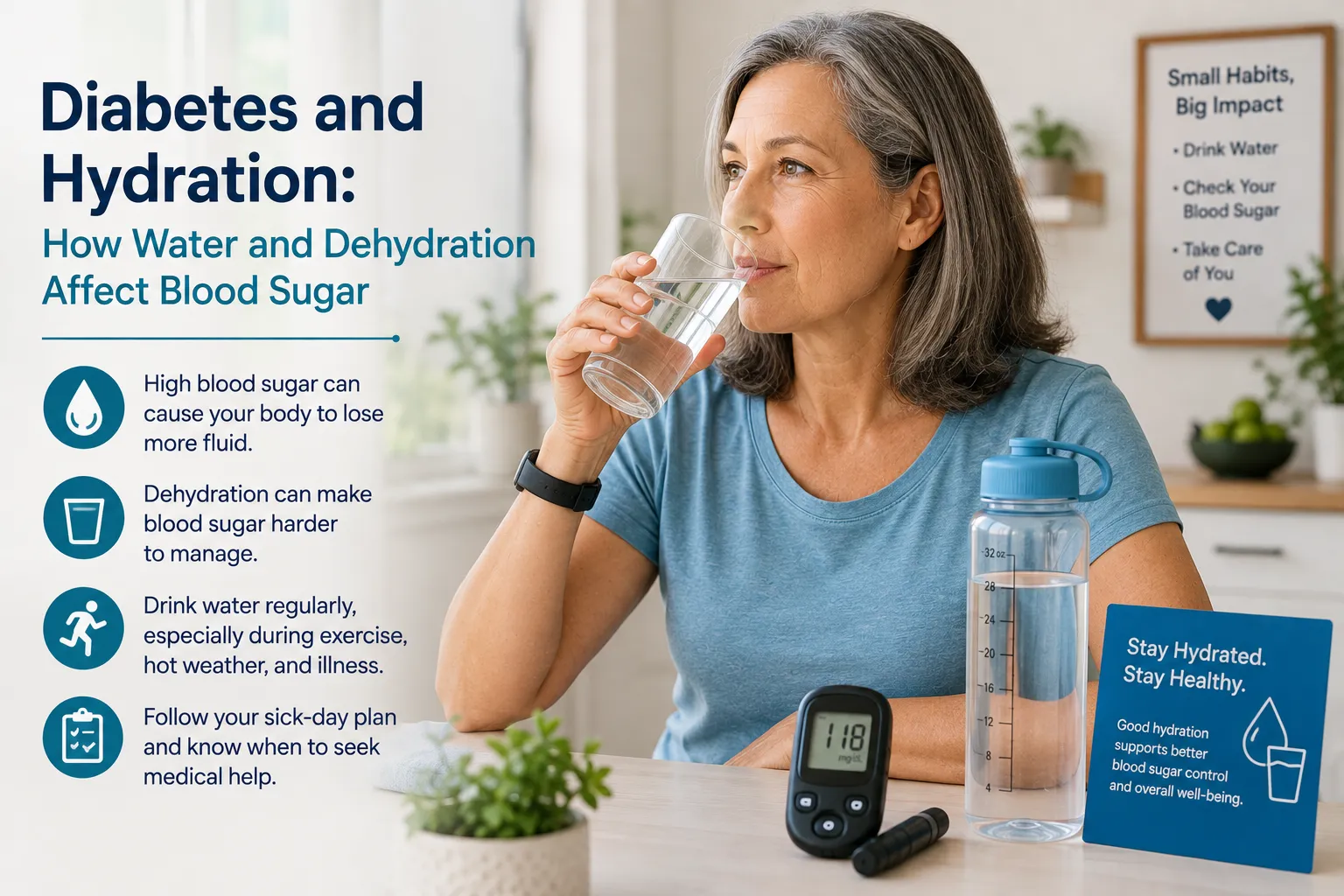
Staying hydrated is important for everyone, but it deserves special attention when you have diabetes.
Water supports nearly every major system in the body. It helps regulate body temperature, transport nutrients, support circulation, remove waste, and maintain normal organ function.
Diabetes can complicate this balance.
When blood glucose becomes significantly elevated, the kidneys attempt to remove some of the excess glucose through urine. As more glucose leaves the body, more water can be lost as well. This can lead to frequent urination, increased thirst, and dehydration.
At the same time, dehydration itself can make glucose management more difficult.
Exercise, hot weather, fever, vomiting, diarrhea, certain medications, and limited access to fluids can further increase the risk.
Understanding the relationship between diabetes and hydration can help you recognize early warning signs, choose appropriate beverages, and know when thirst or dehydration may indicate a more serious problem.
Why Does the Body Need Water?
Water makes up a large portion of the human body and is involved in many essential functions.
Adequate fluid helps the body:
- Regulate temperature
- Maintain blood volume
- Transport nutrients
- Support kidney function
- Remove waste
- Lubricate joints
- Support digestion
- Maintain normal cellular function
- The body continuously loses water through:
- Urination
- Breathing
- Sweat
- Bowel movements
- Those losses must be replaced through beverages and foods containing water.
Your fluid needs can change depending on your health, activity level, environment, diet, medications, and other factors.
Why Can Diabetes Increase Dehydration Risk?
One of the classic symptoms of high blood glucose is increased thirst.
Another is frequent urination.
These symptoms are closely connected.
Normally, the kidneys filter the blood and return substances the body needs while removing waste through urine.
When glucose becomes sufficiently elevated, the kidneys may not be able to reabsorb all of it.
Some glucose then passes into the urine.
Water follows.
As a result, someone with significant hyperglycemia may urinate more frequently and lose additional fluid.
The body responds by increasing thirst.
This cycle can become increasingly problematic if glucose remains very high and fluid losses are not adequately replaced.
Can Dehydration Raise Blood Sugar?
Dehydration and high glucose can reinforce one another.
When the body loses water, the amount of fluid circulating in the bloodstream decreases.
This can make glucose readings appear more concentrated.
At the same time, illness, heat stress, and other situations that cause dehydration may trigger stress hormones that can also influence glucose.
This can create a cycle:
High glucose → increased urination → fluid loss → dehydration → more difficult glucose management
Drinking water alone will not correct every episode of high blood glucose.
If your glucose is persistently or severely elevated, follow your diabetes treatment plan and contact your healthcare provider when appropriate.
Excessive Thirst Can Be a Diabetes Warning Sign
Being thirsty after exercise or on a hot day is normal.
Persistent, unexplained thirst is different.
Excessive thirst—sometimes called polydipsia—can be a symptom of elevated blood glucose.
It may occur alongside:
- Frequent urination
- Fatigue
- Blurred vision
- Increased hunger
- Unexplained weight loss
- Dry mouth
For someone who has not been diagnosed with diabetes, persistent thirst and frequent urination deserve medical evaluation.
For someone already diagnosed, these symptoms may indicate that glucose is running significantly above the target range.
What Are the Signs of Dehydration?
Mild or moderate dehydration may cause:
- Thirst
- Dry mouth
- Darker urine
- Reduced urination
- Headache
- Fatigue
- Dizziness
- Weakness
- As dehydration becomes more severe, symptoms may include:
- Very little urination
- Rapid heartbeat
- Significant weakness
- Confusion
- Fainting
- Severe dizziness
- Severe dehydration can be a medical emergency.
People with diabetes should be particularly cautious when dehydration occurs alongside very high glucose, vomiting, difficulty keeping fluids down, ketones, or changes in mental status.
How Much Water Should Someone with Diabetes Drink?
There is no single amount of water that is correct for every person with diabetes.
Fluid needs vary based on factors such as:
- Body size
- Age
- Physical activity
- Climate
- Pregnancy or breastfeeding
- Diet
- Kidney function
- Heart health
- Medications
- Illness
General hydration recommendations can provide a starting point, but they should not override individualized medical advice.
Some people with kidney disease, heart failure, or other conditions may be instructed to limit fluids.
If you've been given a fluid restriction, follow your healthcare team's recommendations rather than trying to meet a generic water target.
Does All Hydration Have to Come from Water?
No.
Plain water is an excellent primary beverage because it hydrates without adding carbohydrates or calories, but fluid also comes from other beverages and foods.
Foods with substantial water content include:
- Cucumbers
- Tomatoes
- Lettuce
- Celery
- Melons
- Berries
- Oranges
- Soups
- Yogurt
- Milk and unsweetened beverages can also contribute to fluid intake.
However, beverages differ considerably in their effects on glucose, calories, sodium, and overall nutrition.
Water Is Usually the Simplest Choice
For routine hydration, water has several advantages.
It:
- Contains no carbohydrate
- Contains no added sugar
- Has no calories
- Is widely available
- Does not directly raise blood glucose
- Some people dislike plain water.
If that makes it difficult to drink enough, consider adding flavor without large amounts of sugar.
Options may include water infused with:
- Lemon
- Lime
- Cucumber
- Mint
- Berries
- Unsweetened sparkling water can also be an option.
Check labels because flavored beverages vary, and some contain added sugar or significant amounts of carbohydrate.
What About Diet Drinks?
Sugar-free and diet beverages generally contain little or no carbohydrate and typically do not raise glucose in the same way as sugar-sweetened drinks.
They may be useful for people transitioning away from regular soda or other sugary beverages.
However, water remains a simple everyday hydration choice.
You do not need to replace every beverage with artificially sweetened drinks simply because you have diabetes.
Consider your overall dietary pattern and personal preferences.
Sugar-Sweetened Drinks Can Raise Glucose Quickly
Beverages such as:
- Regular soda
- Sweetened tea
- Lemonade
- Fruit drinks
- Sweetened coffee beverages
- Energy drinks
- can contain large amounts of added sugar.
Because liquid carbohydrates can be absorbed quickly, these drinks may cause rapid increases in blood glucose.
For routine hydration, they are generally not ideal.
There is an important exception:
Fast-acting carbohydrate-containing drinks may sometimes be intentionally used to treat hypoglycemia.
A beverage that is inappropriate for routine hydration may be useful in a specific low-glucose situation.
Follow your individualized hypoglycemia treatment plan.
Is Fruit Juice Good for Hydration?
Fruit juice contains water, but it can also contain substantial carbohydrate.
Because most juice contains much less fiber than whole fruit, its carbohydrates can be absorbed relatively quickly.
For someone managing diabetes, portion size matters.
Juice may also be used as a fast-acting carbohydrate for treating hypoglycemia when appropriate.
However, routinely drinking large quantities of juice for hydration may make glucose management more difficult.
Whole fruit usually provides additional fiber and may be more filling.
What About Sports Drinks?
Sports drinks are often marketed as essential for hydration during exercise.
For many people doing ordinary or moderate physical activity, plain water is sufficient.
Traditional sports drinks may contain:
- Sugar
- Carbohydrates
- Sodium
- Potassium
These ingredients can be useful in certain situations, particularly during prolonged or intense exercise with significant sweating.
But a sports drink containing substantial sugar can also raise blood glucose.
People with diabetes should consider:
- Exercise duration
- Exercise intensity
- Current glucose
- Medication or insulin
- Risk of hypoglycemia
- Amount of sweating
Someone taking insulin may sometimes intentionally need carbohydrates during prolonged activity, while another person may not.
There is no reason to automatically consume a sugary sports drink after every workout.
Electrolyte Drinks and Diabetes
Electrolytes include minerals such as:
- Sodium
- Potassium
- Chloride
- Magnesium
These minerals play important roles in fluid balance, nerve function, and muscle function.
Significant sweating, vomiting, or diarrhea can lead to both fluid and electrolyte losses.
Electrolyte beverages vary considerably.
Some contain substantial sugar, while others contain little or none.
They can also contain significant amounts of sodium or potassium.
This matters particularly for people with:
- Kidney disease
- Heart failure
- High blood pressure
- Certain medication regimens
Do not assume an electrolyte drink is automatically healthier than water simply because the label emphasizes hydration.
Read the Nutrition Facts label and ask your healthcare team about electrolyte replacement if you have medical conditions that affect fluid or mineral balance.
Hydration During Exercise
Exercise increases fluid needs because the body loses water through sweat.
How much you lose depends on:
- Temperature
- Humidity
- Exercise intensity
- Exercise duration
- Clothing
- Individual sweating rate
Begin exercise reasonably hydrated and have fluids available, particularly during longer activities or hot weather.
People with diabetes should also consider glucose management.
Exercise can lower glucose during or after activity, although some high-intensity activities may temporarily raise it.
If you use insulin or medications that can cause hypoglycemia, your exercise plan may need to account for both hydration and carbohydrate needs.
Diabetes, Hydration, and Hot Weather
Hot weather creates additional challenges.
The body cools itself through sweating, increasing fluid loss.
Dehydration may develop more quickly when temperatures are high, particularly during outdoor activity.
Heat can also affect diabetes supplies and medications.
During hot weather:
- Drink fluids regularly according to your health needs.
- Avoid leaving insulin and diabetes equipment in hot vehicles.
- Follow manufacturer storage instructions.
- Carry water when spending extended time outdoors.
- Monitor glucose according to your diabetes plan.
- Take breaks from extreme heat.
Older adults may be particularly vulnerable because thirst sensation can become less reliable with age.
Illness Can Quickly Change Hydration Needs
Fever, vomiting, and diarrhea can significantly increase fluid loss.
At the same time, illness can cause glucose to rise because the body releases stress hormones.
This combination can increase the risk of serious dehydration and diabetes emergencies.
Everyone with diabetes should have a sick-day plan developed with their healthcare team.
That plan should explain:
- How often to monitor glucose
- When to check ketones
- Which medications to continue
- Whether any medications should temporarily be held
- What fluids to drink
- What to do if you cannot eat normally
- When to contact your healthcare provider
- When to seek emergency care
- Do not wait until you are severely ill to determine your sick-day instructions.
- Dehydration and Diabetic Ketoacidosis
For people with diabetes, severe dehydration can sometimes occur alongside a serious complication called diabetic ketoacidosis (DKA).
DKA develops when the body does not have enough effective insulin and begins breaking down fat rapidly for energy. This produces acidic substances called ketones.
DKA occurs most commonly in people with Type 1 diabetes, although it can also occur in people with Type 2 diabetes under certain circumstances.
Possible symptoms include:
- Very high blood glucose
- Excessive thirst
- Frequent urination
- Nausea
- Vomiting
- Abdominal pain
- Deep or rapid breathing
- Fruity-smelling breath
- Severe fatigue
- Confusion
- Dehydration
- DKA is a medical emergency.
Vomiting and increased urination can cause substantial fluid loss, making dehydration increasingly severe.
People at risk for DKA should follow their healthcare team's instructions regarding glucose and ketone monitoring during illness or persistent hyperglycemia.
Seek urgent medical care when your diabetes emergency plan indicates it or if symptoms are severe.
Hyperosmolar Hyperglycemic State and Dehydration
Another serious diabetes emergency is hyperosmolar hyperglycemic state (HHS).
HHS occurs most often in people with Type 2 diabetes and involves extremely high blood glucose and profound dehydration.
As glucose rises, the kidneys attempt to eliminate the excess through urine. This can produce enormous fluid losses.
HHS may develop gradually over several days.
Possible symptoms include:
- Extreme thirst
- Frequent urination initially
- Very high glucose
- Severe dehydration
- Weakness
- Dry mouth
- Confusion
- Drowsiness
- Changes in vision
- Seizures in severe cases
- Loss of consciousness
- HHS requires emergency medical treatment.
Older adults may be particularly vulnerable, especially during illness or when they cannot easily obtain or consume enough fluids.
Some Diabetes Medications Affect Fluid Balance
Certain diabetes medications can increase urination.
SGLT2 inhibitors, for example, lower glucose partly by causing the kidneys to remove additional glucose through urine.
Examples of medications in this class include:
- Empagliflozin
- Dapagliflozin
- Canagliflozin
- Ertugliflozin
These medications can provide important benefits for appropriate patients, including cardiovascular and kidney benefits with certain drugs.
However, increased urination may contribute to volume depletion in some people.
Possible symptoms can include:
- Dizziness
- Lightheadedness
- Weakness
- Low blood pressure
Risk may be greater in older adults, people taking diuretics, or those experiencing vomiting, diarrhea, or reduced fluid intake.
Do not stop an SGLT2 inhibitor without medical guidance.
Instead, ask your healthcare provider for specific sick-day instructions and guidance about hydration.
Other Medications Can Influence Hydration
Diabetes is often managed alongside other medical conditions.
Some medications used for blood pressure, heart disease, or swelling may increase urine production.
These include medications commonly called diuretics, or “water pills.”
The fact that a medication increases urination does not mean you should simply drink large quantities of water to compensate.
Fluid needs depend on why the medication was prescribed and your overall health.
If you frequently feel dizzy, excessively thirsty, weak, or dehydrated after starting or changing medication, discuss your symptoms with your healthcare provider.
Kidney Disease Changes the Hydration Conversation
Diabetes is a major risk factor for chronic kidney disease.
When kidney function is impaired, the body's ability to manage water, sodium, potassium, and other substances may change.
Some people with kidney disease may be encouraged to maintain adequate hydration.
Others—particularly those with advanced kidney disease or receiving certain forms of dialysis—may need to restrict fluid.
This is why generic advice such as “drink a gallon of water every day” can be inappropriate or even dangerous.
If you have kidney disease, ask your healthcare team:
How much fluid should I drink?
Do I need to limit sodium?
Should I avoid high-potassium electrolyte drinks?
How should I adjust fluids during hot weather?
What should I do during vomiting or diarrhea?
Follow recommendations designed for your specific kidney function and treatment plan.
Heart Failure May Require Fluid Restrictions
Some people with diabetes also have heart failure.
In heart failure, the body may retain too much fluid.
Depending on the severity and treatment plan, a healthcare professional may recommend limiting fluid or sodium.
Excessive fluid intake in someone who requires restriction can contribute to symptoms such as:
- Swelling
- Rapid weight gain
- Shortness of breath
- Difficulty breathing when lying down
If you have been given a fluid limit because of heart failure, follow it even when general hydration advice recommends drinking more water.
Your individualized medical plan takes priority.
Does Coffee Dehydrate You?
Coffee and tea contain caffeine, which can have a mild diuretic effect.
However, moderate amounts of caffeinated beverages can still contribute to overall fluid intake for many people.
The bigger diabetes consideration may be what is added to the drink.
A plain cup of coffee contains very little carbohydrate, while specialty coffee drinks may contain large amounts of:
- Added sugar
- Syrups
- Sweetened creamers
- Whipped toppings
These additions can substantially change the effect on blood glucose and calorie intake.
Caffeine may also affect glucose differently among individuals.
If you notice consistent glucose changes after caffeinated beverages, consider discussing the pattern with your healthcare team.
Alcohol and Hydration
Alcohol can complicate both hydration and glucose management.
It may increase urination and contribute to dehydration, particularly when consumed in larger quantities.
Alcohol can also increase the risk of delayed hypoglycemia in people using insulin or certain diabetes medications because it affects the liver's ability to release glucose.
Drinking alcohol during hot weather or after significant exercise can further complicate fluid balance.
If you drink alcohol:
- Follow your healthcare team's recommendations.
- Consider hydration.
- Understand how alcohol interacts with your medications.
- Be aware of delayed hypoglycemia risk.
- Avoid relying on alcoholic beverages for hydration.
- Alcohol is not an appropriate treatment for thirst.
- Can Urine Color Tell You Whether You're Hydrated?
Urine color can provide a rough clue about hydration, but it is not a perfect measurement.
Very dark yellow urine may suggest that urine is concentrated and that you may need additional fluid.
Pale yellow urine often occurs with adequate hydration.
However, urine color can also be affected by:
- Vitamins
- Medications
- Foods
- Medical conditions
Completely clear urine does not necessarily mean “perfect hydration,” and constantly forcing yourself to drink until urine is colorless is unnecessary for most people.
Use thirst, urine patterns, environmental conditions, physical activity, and your healthcare team's recommendations together rather than relying on color alone.
Don't Wait Until You're Extremely Thirsty
Thirst is an important signal, but it isn't always a perfect hydration monitor.
Older adults may have a reduced thirst response.
People who are busy, exercising, traveling, or working outdoors may also ignore thirst for long periods.
Practical strategies can help.
Consider:
- Keeping water accessible
- Drinking fluids with meals
- Carrying a reusable water bottle
- Drinking before and after physical activity
- Increasing attention to hydration during hot weather
- Following a sick-day hydration plan during illness
The goal is consistent, appropriate hydration—not forcing excessive amounts of water.
Can You Drink Too Much Water?
Yes.
Although dehydration receives more attention, excessive water intake can also be dangerous.
Drinking extremely large quantities of water in a short period can dilute sodium in the blood, potentially causing hyponatremia.
Symptoms can include:
- Nausea
- Headache
- Confusion
- Weakness
- Seizures in severe cases
- More water is not always better.
Hydration should be appropriate for your body, activity, environment, and medical conditions.
Make Hydration Easier
If remembering to drink is difficult, build fluids into your normal routine.
For example:
- Drink water with breakfast.
- Keep a bottle at your workspace.
- Have water available during exercise.
- Drink with meals.
- Carry fluids when traveling.
- Keep water nearby during hot weather.
If plain water is unappealing, experiment with unsweetened options or naturally flavored water.
You do not need expensive “wellness water” or specialty hydration products for ordinary daily hydration.
Prepare for Hot Weather Before You Leave Home
If you have diabetes and will spend significant time outside, planning ahead can prevent problems.
Consider carrying:
- Water
- Glucose monitoring supplies
- Fast-acting carbohydrate for hypoglycemia
- Diabetes identification
- Medications as appropriate
- A way to protect temperature-sensitive diabetes supplies
Remember that leaving insulin or certain diabetes devices in a parked vehicle can expose them to extreme temperatures.
Check manufacturer storage instructions for your specific products.
Hydration While Traveling
Travel can disrupt normal hydration habits.
Long flights, road trips, unfamiliar climates, and busy schedules may lead people to drink less than usual.
At the same time, avoiding fluids simply because you do not want to use a restroom can increase dehydration risk.
When traveling:
- Keep water accessible when permitted.
- Take regular breaks during long drives.
- Be cautious with excessive alcohol.
- Account for hot climates.
- Continue monitoring glucose as recommended.
- Carry adequate diabetes supplies.
If you're traveling internationally, make sure you know how to access medical care if significant illness or dehydration develops.
What Should You Drink When You're Sick?
Your sick-day plan should provide individualized instructions.
If you can drink normally, small and frequent amounts of fluid may be easier to tolerate than large amounts at once.
Depending on glucose levels and your ability to eat, your healthcare team may recommend fluids with or without carbohydrates.
For example, someone unable to eat normally may sometimes require carbohydrate-containing liquids, while someone with very high glucose may be advised to prioritize sugar-free fluids.
This is why a written sick-day plan is so valuable.
Ask for instructions before illness occurs.
When Should You Contact Your Healthcare Provider?
Contact your healthcare team according to your diabetes plan if you experience concerns such as:
- Persistent high glucose
- Repeated vomiting or diarrhea
- Difficulty keeping fluids down
- Frequent dizziness
- Signs of dehydration that do not improve
- Recurrent unexplained excessive thirst
- Significant changes in urination
- Ketones according to your sick-day instructions
People taking SGLT2 inhibitors should make sure they understand their specific sick-day and ketoacidosis precautions.
When Is Dehydration an Emergency?
Seek urgent medical care for severe symptoms such as:
- Confusion
- Fainting
- Severe weakness
- Inability to keep fluids down
- Significant difficulty breathing
- Severe or persistent vomiting
- Signs of DKA
- Signs of HHS
- Loss of consciousness
Do not attempt to manage a serious diabetes emergency simply by drinking more water at home.
DKA and HHS require medical treatment.
Frequently Asked Questions
Does drinking water lower blood sugar?
Water supports hydration and may help replace fluids lost through increased urination, but it is not a substitute for diabetes medication or emergency treatment. Persistently or severely elevated glucose should be managed according to your diabetes care plan.
Can dehydration cause high blood sugar?
Dehydration can make glucose more concentrated in the bloodstream and may occur alongside conditions that raise glucose. High glucose can then cause additional urination and worsen dehydration.
What is the best drink for someone with diabetes?
For routine hydration, plain water is an excellent choice because it contains no carbohydrate, added sugar, or calories. Individual needs may differ, particularly during exercise, illness, kidney disease, or heart failure.
Are electrolyte drinks good for diabetes?
Sometimes, but they are not automatically necessary. Some contain significant sugar, sodium, or potassium. Their usefulness depends on the situation and the individual's health.
Can people with diabetes drink sports drinks?
Yes, but traditional sports drinks often contain carbohydrates that can raise glucose. They may be useful during certain types of prolonged exercise or for treating carbohydrate needs, but they are usually unnecessary for ordinary hydration.
Why am I thirsty all the time?
Persistent thirst can have many causes, including high blood glucose, dehydration, medications, hot weather, and other medical conditions. Excessive unexplained thirst should be medically evaluated.
Is clear urine a sign that I'm perfectly hydrated?
Not necessarily. Urine color provides only a rough indication of hydration. Constantly drinking enough water to keep urine completely clear is unnecessary and could lead to excessive fluid intake.
Should I drink extra water if my glucose is high?
Staying appropriately hydrated is important, but drinking water is not a replacement for insulin, medication, ketone monitoring, or medical care. Follow your diabetes treatment and sick-day plans for significant hyperglycemia.
Can I drink too much water?
Yes. Excessive water intake can dangerously dilute sodium levels. People with kidney disease or heart failure may also have specific fluid restrictions.
Key Takeaways
Hydration is an important but sometimes overlooked part of diabetes management.
High blood glucose can increase urination, causing the body to lose additional water. This can create a cycle in which hyperglycemia contributes to dehydration and dehydration makes glucose management more difficult.
For routine hydration, water is generally an excellent choice because it contains no carbohydrate or added sugar.
Sugar-sweetened beverages, juice, sports drinks, and electrolyte products may contain significant carbohydrates and should not automatically be treated as everyday hydration beverages.
However, carbohydrate-containing fluids can have specific purposes, including treating hypoglycemia or supporting nutrition during illness when recommended.
Exercise, hot weather, fever, vomiting, and diarrhea can increase fluid requirements and dehydration risk.
People taking SGLT2 inhibitors or diuretics should understand how their medications may affect urination and fluid balance.
People with kidney disease or heart failure may have very different fluid requirements from the general population. If you have been prescribed a fluid restriction, follow it rather than generic hydration advice.
Excessive water consumption can also be harmful, so the goal is appropriate hydration—not drinking as much water as possible.
Finally, severe dehydration combined with very high glucose can occur with serious diabetes emergencies such as DKA and HHS.
Confusion, severe weakness, persistent vomiting, inability to keep fluids down, significant breathing changes, or other signs of a diabetes emergency require prompt medical attention.
Good hydration cannot replace diabetes treatment, but maintaining appropriate fluid balance is another practical way to support glucose management and overall health.
This article provides general educational information and is not a substitute for personalized medical advice.