
Diabetes and Sleep: How Sleep Affects Blood Sugar and Diabetes Management
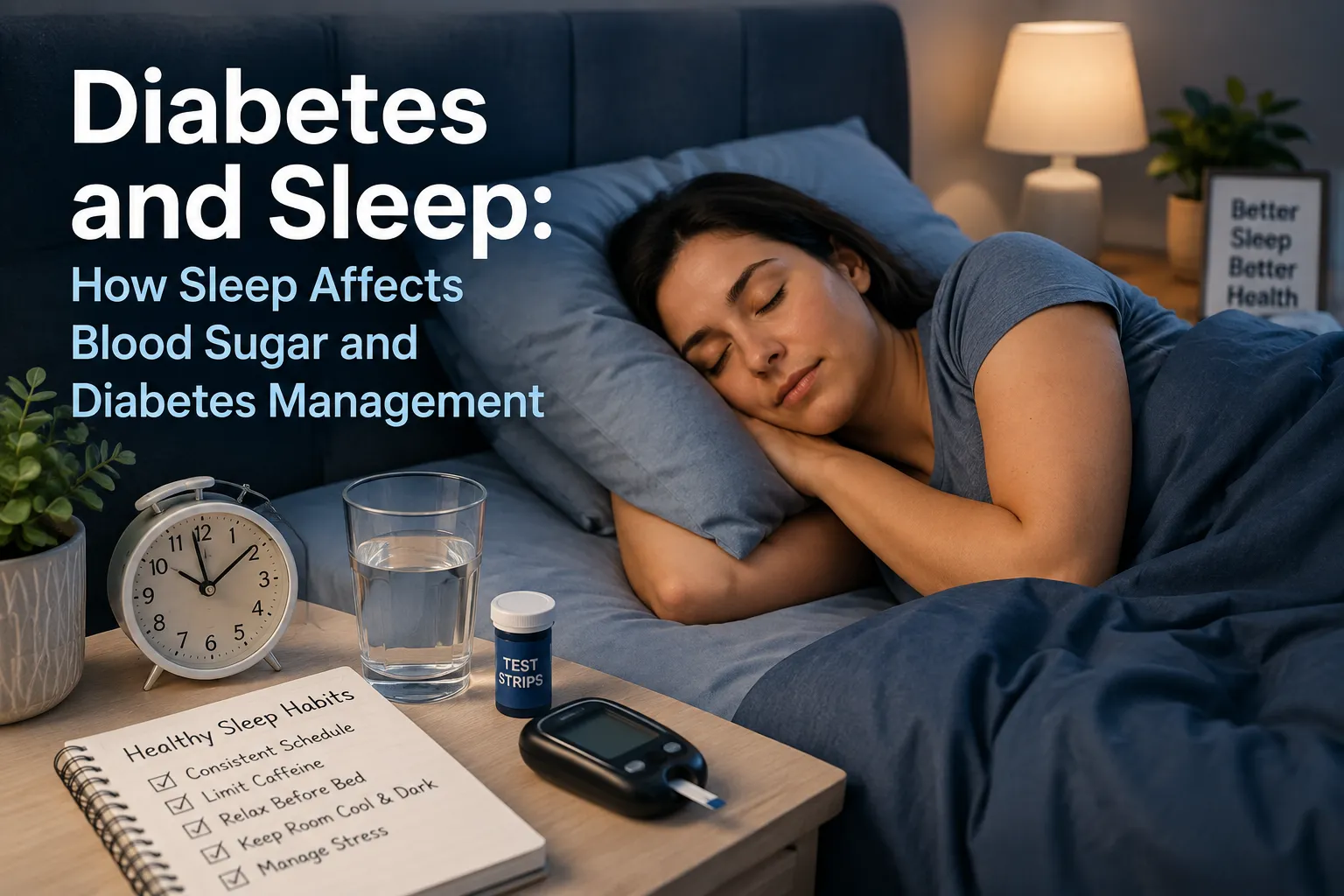
Sleep is an essential part of good health, but it can easily become an overlooked part of diabetes management.
Most conversations about managing diabetes focus on nutrition, physical activity, medications, and glucose monitoring. These are all important, but sleep also plays a meaningful role in metabolic health.
Poor or insufficient sleep can affect hormones, appetite, insulin sensitivity, mood, and the choices you make throughout the following day. At the same time, diabetes itself can interfere with sleep. High blood glucose may cause frequent urination and thirst, while low glucose can wake someone during the night. Conditions that are more common among people with diabetes, including obstructive sleep apnea, may further reduce sleep quality.
This relationship can create a frustrating cycle: diabetes interferes with sleep, and inadequate sleep can make diabetes management more difficult.
Understanding this connection can help you identify sleep problems and discuss appropriate solutions with your healthcare team.
Why Sleep Matters When You Have Diabetes
Sleep isn't simply a period when the body switches off.
While you sleep, the body carries out processes involving:
- Hormone regulation
- Metabolism
- Immune function
- Memory
- Tissue repair
- Appetite regulation
- Cardiovascular health
- Sleep also interacts with the hormones involved in glucose regulation.
When sleep is repeatedly too short, fragmented, or poorly timed, the body's response to insulin may change. Research has linked chronic insufficient sleep with insulin resistance and a greater risk of developing Type 2 diabetes.
For someone who already has diabetes, poor sleep may make glucose management more challenging.
That doesn't mean one bad night's sleep will suddenly cause major diabetes problems. The bigger concern is a recurring pattern of inadequate or disrupted sleep.
Can Lack of Sleep Raise Blood Sugar?
It can.
Sleep deprivation places stress on the body and can influence hormones involved in glucose metabolism.
Insufficient sleep may contribute to:
- Reduced insulin sensitivity
- Increased stress hormones
- Changes in appetite
- Increased hunger
- Greater cravings for calorie-dense foods
- Reduced energy for physical activity
- These effects can make glucose more difficult to manage.
The response varies from person to person. Some people notice significantly higher glucose readings after poor sleep, while others see relatively little immediate difference.
If you use a continuous glucose monitor (CGM), you may be able to compare your glucose patterns after nights of good and poor sleep.
Look for patterns over time rather than drawing conclusions from one night.
Diabetes Can Also Make It Harder to Sleep
The relationship works in both directions.
Diabetes can contribute to sleep disruption through several mechanisms.
For example, high blood glucose can cause:
- Increased thirst
- Frequent urination
- Dry mouth
- Headaches
- General discomfort
Getting up several times during the night to use the bathroom can significantly reduce sleep quality.
Low blood glucose can also interrupt sleep.
Symptoms may include:
- Sweating
- Shaking
- Rapid heartbeat
- Nightmares
- Restlessness
- Waking suddenly
Some people, particularly those with reduced awareness of hypoglycemia, may not recognize nighttime lows without glucose monitoring.
If you regularly experience high or low glucose overnight, discuss the pattern with your healthcare team.
How Much Sleep Do Adults Need?
Most adults generally need at least seven hours of sleep per night, although individual needs vary.
Sleep quality matters as well as duration.
Someone might spend eight hours in bed but still receive poor-quality sleep because of:
- Sleep apnea
- Frequent awakenings
- Pain
- Restless legs
- Nighttime urination
- Environmental disturbances
- A consistent sleep schedule can also be important.
Frequently changing when you sleep and wake—such as alternating between day and night schedules—may disrupt the body's circadian rhythms.
Rather than focusing exclusively on an exact number of hours, consider whether you regularly wake feeling rested and can remain alert during the day.
The Connection Between Type 2 Diabetes and Sleep Apnea
One sleep condition deserves particular attention in diabetes care: obstructive sleep apnea (OSA).
Obstructive sleep apnea occurs when the airway repeatedly becomes partially or completely blocked during sleep.
Each interruption can reduce airflow and briefly wake the brain, sometimes hundreds of times during a night.
A person may have no memory of these awakenings.
Possible signs include:
- Loud snoring
- Gasping or choking during sleep
- Witnessed pauses in breathing
- Morning headaches
- Dry mouth upon waking
- Daytime sleepiness
- Difficulty concentrating
- Irritability
- Feeling unrefreshed despite spending enough time in bed
- Obstructive sleep apnea and Type 2 diabetes frequently occur together.
Obesity is one important shared risk factor, although people at many body sizes can develop sleep apnea.
If you have symptoms of sleep apnea, tell your healthcare provider. Diagnosis usually requires an appropriate sleep evaluation.
Why Untreated Sleep Apnea Matters
Sleep apnea is more than a snoring problem.
Repeated reductions in oxygen and frequent sleep interruptions place stress on the cardiovascular system.
Untreated obstructive sleep apnea is associated with health concerns including:
- High blood pressure
- Cardiovascular disease
- Daytime fatigue
- Reduced concentration
- Increased accident risk
- Metabolic dysfunction
For someone managing diabetes, repeatedly disrupted sleep may make an already complicated metabolic condition more difficult to manage.
Treatment depends on the individual and severity of the condition.
Options may include positive airway pressure therapy, oral appliances, weight management when appropriate, positional strategies, or other treatments recommended by a sleep specialist.
Nighttime Hypoglycemia
People using insulin or certain glucose-lowering medications may be at risk of hypoglycemia during sleep.
Nighttime hypoglycemia can occur for several reasons, including:
- Too much insulin
- Increased physical activity earlier in the day
- Eating less carbohydrate than expected
- Alcohol consumption
- Changes in medication
- Illness
- Possible clues include waking with:
- Sweaty clothing or bedding
- Headache
- Unusual fatigue
- Confusion
- Disturbed sleep
- However, nighttime hypoglycemia may sometimes occur without obvious symptoms.
CGM can be particularly useful because compatible systems can track glucose overnight and provide alerts when glucose becomes low or is predicted to fall.
If nighttime lows occur repeatedly, contact your healthcare provider. Your medication or insulin plan may need adjustment.
High Blood Glucose at Night
High glucose can also disturb sleep.
When glucose becomes significantly elevated, the kidneys may remove some of the excess glucose through urine. This can increase urination and thirst.
Someone may repeatedly wake to:
- Use the bathroom
- Drink water
- Manage dry mouth
- Check glucose
Persistent overnight hyperglycemia can have several causes, including meals, medications, insulin timing, illness, stress, or changes in insulin requirements.
Instead of repeatedly correcting unexplained overnight highs on your own, look for patterns and review them with your healthcare team.
The Dawn Phenomenon
Some people notice that glucose begins rising in the early morning even though they haven't eaten.
This is commonly known as the dawn phenomenon.
During the early morning hours, the body releases hormones that help prepare it for waking. These hormones can increase glucose production and make the body temporarily less sensitive to insulin.
For people without diabetes, the pancreas typically compensates by releasing additional insulin.
For someone with diabetes, that response may be insufficient, resulting in higher morning glucose.
CGM can make this pattern easier to recognize because it shows what happens during the hours before waking.
If morning glucose is consistently high, discuss the pattern with your healthcare provider before changing medication or insulin doses.
Stress, Sleep, and Blood Glucose
Stress and sleep often influence one another.
Stress can make falling or staying asleep more difficult. Poor sleep, in turn, can make emotional regulation and stress management harder the following day.
Stress hormones can also affect glucose.
This creates another possible cycle:
Stress → poor sleep → greater metabolic stress → more difficult glucose management → additional stress.
Helpful strategies may include:
- Regular physical activity
- Relaxation exercises
- Maintaining a consistent bedtime
- Reducing stimulating activities before bed
- Addressing persistent anxiety with a healthcare professional
- Diabetes itself can also create emotional stress.
Worrying about nighttime hypoglycemia, CGM alarms, future complications, or glucose readings can make it difficult to relax at bedtime.
If diabetes-related worry regularly interferes with sleep or daily life, discuss it with your healthcare team.
CGM Alerts and “Alarm Fatigue”
Continuous glucose monitoring can improve nighttime safety, but frequent alerts can also interfere with sleep.
Someone whose alarm thresholds are unnecessarily narrow may wake repeatedly even when immediate action isn't required.
Over time, excessive alerts can contribute to alarm fatigue, in which a person becomes less responsive to notifications.
Do not simply disable important safety alerts without considering the consequences.
Instead, discuss recurring nighttime alarms with your diabetes care team. They can help determine whether your alert settings or diabetes treatment plan should be adjusted.
Exercise Can Help—But Timing Matters
Regular physical activity can support both diabetes management and sleep quality.
Exercise may:
- Improve insulin sensitivity
- Support cardiovascular health
- Reduce stress
- Improve mood
- Promote healthier sleep
- However, exercise can affect glucose for hours afterward.
For people using insulin or medications associated with hypoglycemia, prolonged or intense activity may increase the risk of delayed low glucose, including during sleep.
Learn how your glucose responds to different types and timing of exercise.
If you repeatedly experience nighttime lows after physical activity, discuss strategies with your healthcare team.
Build a Consistent Sleep Routine
Improving sleep doesn't necessarily require a complicated routine.
One of the most useful strategies is maintaining relatively consistent sleep and wake times.
Your body's internal clock, or circadian rhythm, helps regulate when you feel awake and when you become sleepy. Frequently changing your schedule can disrupt this rhythm.
Try to:
- Go to bed at approximately the same time each night.
- Wake at approximately the same time each morning.
- Keep weekend schedules reasonably close to weekday schedules.
- Allow enough time in bed to meet your sleep needs.
Consistency may be especially helpful for people whose meal, medication, and exercise schedules are also influenced by their daily routine.
Create an Environment That Supports Sleep
Your bedroom can influence sleep quality.
A sleep-friendly environment is generally:
- Dark
- Quiet
- Comfortable
- Cool rather than excessively warm
Consider reducing unnecessary light and noise and keeping televisions, phones, and other distractions from interfering with sleep.
If you need your smartphone near you because it receives CGM alerts, you don't necessarily need to remove it from the bedroom. Instead, reduce unrelated notifications and other distractions while keeping medically necessary alerts available.
Develop a Wind-Down Routine
Going directly from a stressful or stimulating activity to trying to sleep can be difficult.
A short bedtime routine can signal that the day is ending.
Depending on your preferences, this might include:
- Reading
- Taking a warm shower
- Listening to relaxing audio
- Gentle stretching
- Breathing exercises
- Preparing clothes or supplies for the following morning
- Try to choose activities you can repeat consistently.
The goal isn't to create a perfect bedtime ritual. It is to make the transition into sleep easier.
Be Mindful of Caffeine
Caffeine can remain active in the body for hours.
Coffee is an obvious source, but caffeine may also be found in:
- Tea
- Energy drinks
- Cola
- Chocolate
- Certain supplements
- Some over-the-counter medications
If you have difficulty falling asleep, consider whether afternoon or evening caffeine could be contributing.
Individual sensitivity varies considerably. One person may drink coffee later in the day without obvious difficulty, while another may experience disrupted sleep from caffeine consumed many hours before bedtime.
Understand How Alcohol Can Affect Sleep and Glucose
Alcohol may initially make someone feel sleepy, but it can disrupt sleep later in the night and reduce sleep quality.
For people with diabetes, alcohol can create additional concerns.
In particular, alcohol can increase the risk of delayed hypoglycemia in people using insulin or certain medications because the liver's ability to release glucose may be affected.
This risk can continue for hours after drinking.
If you drink alcohol, discuss safe use with your healthcare team, particularly if you use insulin or medications associated with hypoglycemia.
Do not rely on alcohol as a sleep aid.
Avoid Large Meals Immediately Before Bed When Possible
A very large meal close to bedtime may contribute to:
- Indigestion
- Heartburn
- Discomfort
- Elevated nighttime glucose
- However, diabetes management is individualized.
Some people may need a planned bedtime snack because of their medication regimen, exercise patterns, or risk of hypoglycemia.
Do not eliminate a medically recommended snack simply because general sleep advice suggests avoiding food before bed.
Your glucose management plan takes priority over generic recommendations.
What About Screens Before Bed?
Phones, tablets, computers, and televisions can interfere with sleep in several ways.
Bright light may affect the body's sleep-wake signals, while stimulating content can make it harder to mentally disengage.
Consider reducing recreational screen use before bedtime if you notice that it interferes with sleep.
For someone using a smartphone as a CGM receiver, however, avoiding the device completely may not be practical.
The goal is to reduce unnecessary stimulation while preserving access to important diabetes technology.
Diabetes and Restless Legs
Restless legs syndrome causes an uncomfortable urge to move the legs, usually while resting and often in the evening or at night.
Symptoms may improve temporarily with movement but return when resting again.
Restless legs can significantly interfere with sleep.
Several conditions can produce uncomfortable sensations in the legs, including peripheral neuropathy, so symptoms should not automatically be assumed to have one cause.
If unpleasant leg sensations repeatedly interfere with sleep, tell your healthcare provider.
An evaluation may help distinguish restless legs syndrome from neuropathy, muscle cramps, circulation problems, or another condition.
Neuropathy Can Disrupt Sleep
Diabetic peripheral neuropathy may cause:
- Burning
- Tingling
- Numbness
- Shooting pain
- Increased sensitivity
For some people, these symptoms become especially noticeable at night when there are fewer distractions.
Persistent neuropathy pain can make falling asleep or remaining asleep difficult.
If nerve pain is disrupting your sleep, discuss it with your healthcare provider.
Treatment may involve improving overall diabetes management, evaluating other possible causes of nerve symptoms, and considering appropriate treatments for neuropathic pain.
Shift Work Creates Special Challenges
People who work overnight or rotating shifts may face unique difficulties.
Shift work can affect:
- Sleep timing
- Meal timing
- Physical activity
- Medication schedules
- Insulin dosing
- Circadian rhythms
Irregular schedules may make diabetes management more complicated, particularly for people using insulin.
If you work changing or overnight shifts, tell your healthcare team exactly what your schedule looks like.
Rather than trying to force a conventional daytime diabetes plan onto an unconventional schedule, your care plan may need to account for when you actually sleep, eat, work, and exercise.
Use Sleep Tracking Carefully
Smartwatches, fitness trackers, and other consumer devices can estimate sleep duration and patterns.
These tools may help identify broad trends, such as consistently going to bed too late or having an irregular sleep schedule.
However, consumer sleep trackers do not necessarily diagnose medical sleep disorders.
A device that reports poor sleep cannot tell you with certainty whether you have sleep apnea, insomnia, restless legs syndrome, or another medical condition.
Likewise, a reassuring sleep score does not rule out a sleep disorder if you have significant symptoms.
Use sleep-tracking information as one source of information—not as a replacement for professional evaluation.
Look for Patterns Between Sleep and CGM Data
If you use a CGM, you have an opportunity to compare sleep with glucose patterns.
Consider keeping brief notes about:
- Bedtime
- Wake time
- Perceived sleep quality
- Exercise
- Alcohol
- Illness
- Unusual meals
- Stress
- You can then compare these factors with CGM reports.
- For example, you might notice that:
- Glucose is higher after very short nights.
- Exercise days are followed by overnight lows.
- Large late dinners produce prolonged nighttime elevations.
- Repeated CGM alarms are disrupting sleep.
- Glucose consistently rises before waking.
- Do not overinterpret a single night.
- Look for recurring patterns and bring them to your healthcare appointments.
- Don't Chase “Perfect” Sleep or Perfect Glucose
- Diabetes already involves many numbers.
Adding sleep scores, hours slept, heart rate, CGM percentages, and other measurements can sometimes create additional stress rather than useful information.
The goal isn't perfection.
An occasional late night, poor night's sleep, or unusual glucose reading happens.
Focus instead on repeated patterns that affect your health or quality of life.
If tracking sleep makes you more anxious about sleeping, consider simplifying what you monitor.
When Should You Talk to a Healthcare Provider?
Occasional difficulty sleeping is common.
Persistent problems deserve more attention.
Consider discussing sleep with your healthcare provider if you:
- Regularly struggle to fall asleep
- Frequently wake during the night
- Routinely wake much earlier than intended
- Feel exhausted despite spending enough time in bed
- Snore loudly
- Gasp or choke during sleep
- Have witnessed pauses in breathing
- Experience excessive daytime sleepiness
- Have uncomfortable leg sensations that interfere with sleep
- Have nerve pain that repeatedly wakes you
- Experience frequent nighttime hypoglycemia
- Have persistent nighttime hyperglycemia
- Frequently wake to urinate
Some of these symptoms may indicate a sleep disorder or a diabetes management issue that can be treated.
When Is Sleepiness an Immediate Safety Concern?
Severe daytime sleepiness can become dangerous when driving or operating machinery.
If you're struggling to remain awake, do not assume you can safely push through it.
Persistent excessive daytime sleepiness should be medically evaluated, particularly when accompanied by loud snoring, witnessed breathing pauses, or other signs of sleep apnea.
Similarly, symptoms of low glucose can impair driving ability.
Follow your individualized diabetes safety plan regarding glucose and driving.
Make Sleep Part of Your Diabetes Appointments
Sleep is worth discussing during routine diabetes care.
Useful questions include:
Could my glucose patterns be interfering with sleep?
Am I at increased risk for sleep apnea?
Could my medication contribute to nighttime lows?
Are my CGM alerts appropriately configured?
Could neuropathy be causing my nighttime symptoms?
Should I have a sleep evaluation?
How should I manage diabetes around shift work?
Bringing sleep into the conversation may reveal issues that aren't obvious from an A1C result alone.
Frequently Asked Questions
Can poor sleep increase blood sugar?
Insufficient or disrupted sleep can affect insulin sensitivity, stress hormones, appetite, and other aspects of metabolism. Some people may notice higher or more difficult-to-manage glucose after inadequate sleep.
How many hours should someone with diabetes sleep?
Most adults should generally aim for at least seven hours of sleep per night, although individual needs vary. Sleep quality and consistency also matter.
Does diabetes cause insomnia?
Diabetes does not automatically cause insomnia, but diabetes-related issues such as nighttime urination, hypoglycemia, neuropathy pain, stress, and sleep apnea can interfere with sleep.
Why is my blood sugar high when I wake up?
Several factors can contribute, including the dawn phenomenon, overnight food intake, medication or insulin needs, illness, stress, and other glucose patterns. CGM or overnight glucose measurements may help identify what is happening. Discuss persistent morning highs with your healthcare provider.
Can low blood sugar happen while I'm asleep?
Yes. People using insulin or certain glucose-lowering medications can experience nighttime hypoglycemia. CGM may help detect overnight lows, including episodes that do not cause obvious symptoms.
Is snoring related to diabetes?
Snoring alone does not mean someone has diabetes or sleep apnea. However, obstructive sleep apnea is common among people with Type 2 diabetes. Loud snoring accompanied by gasping, witnessed breathing pauses, or excessive daytime sleepiness should be discussed with a healthcare provider.
Will treating sleep apnea improve my diabetes?
Treating sleep apnea can improve sleep quality and provides important health benefits. Its effect on glucose varies among individuals, so sleep apnea treatment should be viewed as part of comprehensive health management rather than a replacement for diabetes treatment.
Should I use a smartwatch to monitor my sleep?
A smartwatch or fitness tracker may help identify general sleep patterns, but consumer devices cannot reliably diagnose every sleep disorder. Significant symptoms should be evaluated by a qualified healthcare professional.
Key Takeaways
Sleep deserves a place alongside nutrition, physical activity, medication, and glucose monitoring in a comprehensive diabetes management plan.
Insufficient or disrupted sleep can influence insulin sensitivity, appetite, stress hormones, energy, and glucose management. At the same time, high or low glucose, nighttime urination, neuropathy, stress, and diabetes technology can interfere with sleep.
Obstructive sleep apnea is particularly important because it frequently occurs alongside Type 2 diabetes and may remain undiagnosed. Loud snoring, gasping during sleep, witnessed pauses in breathing, morning headaches, and excessive daytime sleepiness are reasons to discuss sleep apnea with a healthcare provider.
Aim for adequate, consistent sleep and create an environment that supports it. Be mindful of caffeine, alcohol, late meals, and habits that repeatedly interfere with rest.
If you use CGM, consider looking for recurring relationships between your sleep and glucose patterns rather than reacting to individual nights.
People working overnight or rotating shifts may need diabetes plans tailored to their actual sleep, meal, medication, and activity schedules.
Most importantly, persistent sleep problems should not simply be accepted as part of having diabetes. Sleep disorders and diabetes-related nighttime problems can often be identified and treated.
Improving sleep won't replace medication, nutrition, exercise, or glucose monitoring—but it can become another valuable part of taking care of your diabetes and your overall health.
This article provides general educational information and is not a substitute for personalized medical advice.