
Diabetes and Unexplained Weight Loss: Why You May Be Losing Weight Without Trying
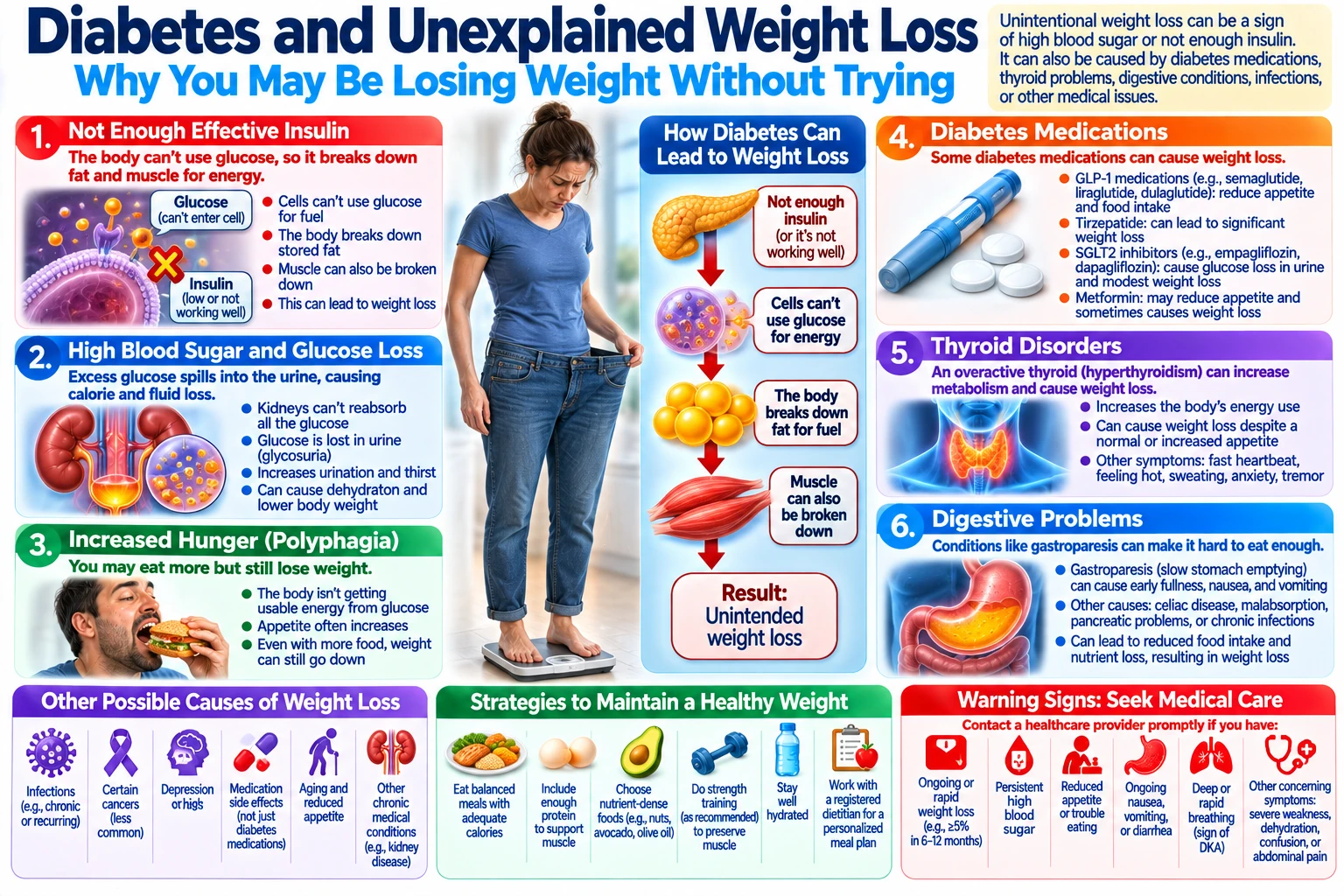
Have you noticed that your clothes are becoming looser even though you haven't changed your diet or exercise routine?
Perhaps the number on your bathroom scale keeps dropping. You may even be eating more than usual, yet your weight continues to decrease.
For someone living with diabetes, unexpected weight loss can raise an important question:
“Why am I losing weight when I'm not trying to?”
The answer depends on several factors.
Unexplained weight loss can sometimes occur when the body does not have enough effective insulin to use glucose properly. As a result, the body may begin breaking down stored fat and muscle for energy.
High blood glucose can also increase urination and fluid loss, contributing to a lower number on the scale.
However, not every episode of weight loss is caused by diabetes itself.
Medications, thyroid disorders, digestive conditions, infections, changes in appetite, and other medical problems can also contribute.
Although intentional weight loss may benefit some people with Type 2 diabetes, unintentional weight loss is different and deserves attention.
Understanding why your weight is changing can help you recognize potential warning signs and seek appropriate care.
Can Diabetes Cause Unexplained Weight Loss?
Yes.
Unexplained weight loss is a recognized symptom of diabetes, particularly when glucose levels are significantly elevated and the body does not have enough effective insulin.
It may occur in people who have not yet been diagnosed with diabetes.
It can also develop in people with established diabetes when insulin availability or effectiveness is inadequate.
Possible diabetes-related contributors include:
- Insulin deficiency
- Persistent hyperglycemia
- Glucose loss through urine
- Dehydration
- Breakdown of fat and muscle
- Medication-related appetite changes
- Digestive complications
- Other diabetes-associated medical conditions
The cause matters because different mechanisms require different treatments.
How Does the Body Normally Use Glucose for Energy?
Glucose is an important source of energy for the body's cells.
After you eat carbohydrates, digestion breaks many of them down into glucose.
Glucose enters the bloodstream, where it becomes available for use by different tissues.
The hormone insulin, produced by the pancreas, helps regulate blood glucose and allows many cells, particularly muscle and fat cells, to take up glucose efficiently.
Insulin also helps the body store energy and reduces the breakdown of stored fat and protein.
When insulin is insufficient or the body does not respond to it normally, these processes become disrupted.
What Happens When There Isn't Enough Insulin?
When the body has too little effective insulin, glucose regulation becomes impaired.
Even when glucose is abundant in the bloodstream, some tissues cannot use it efficiently.
At the same time, insufficient insulin reduces the normal signals that limit the breakdown of stored energy.
The body may begin breaking down:
- Stored fat
- Muscle protein
- Other energy reserves
This process can lead to unintentional weight loss.
In severe insulin deficiency, increased fat breakdown can also produce excessive ketones, creating the risk of diabetic ketoacidosis.
Why Can You Lose Weight Even When You're Eating More?
One of the classic symptoms of untreated diabetes is polyphagia, or increased hunger.
Someone may feel unusually hungry because the body's normal energy regulation is disrupted.
Yet despite eating more food, they may continue losing weight.
This can happen because:
- The body is not using and storing energy normally.
- Excess glucose may be lost through urine.
- Fat and muscle may be broken down for energy.
- Increased urination may cause fluid loss.
The combination can result in weight loss despite a normal or increased appetite.
However, increased hunger and weight loss can also occur with other conditions, including hyperthyroidism.
Testing is necessary to identify the cause.
High Blood Sugar and Glucose Loss Through Urine
Normally, the kidneys filter glucose from the blood and reabsorb most of it.
When blood glucose rises above the kidneys' capacity to reabsorb glucose, some glucose passes into the urine.
This is called glycosuria.
Because glucose contains energy, losing glucose through urine means the body is losing calories.
Over time, this can contribute to weight loss.
Why Frequent Urination Matters
Glucose in urine also draws water with it.
This process, known as osmotic diuresis, increases urine production.
Possible symptoms include:
- Frequent urination
- Excessive thirst
- Dry mouth
- Dehydration
- Fatigue
- Dizziness
Fluid loss can cause weight to decrease quickly.
However, this is not the same as losing body fat.
Water Weight Versus Fat Loss
A changing number on the scale does not always represent a change in body fat.
Body weight includes:
- Water
- Muscle
- Fat
- Bone
- Other tissues
When glucose is significantly elevated, increased urination can cause fluid loss.
Someone may therefore lose several pounds relatively quickly because of dehydration.
If glucose management and hydration improve, some of that weight may return.
That does not necessarily mean treatment has caused unhealthy fat gain.
It may simply reflect restoration of normal fluid balance.
Why Rapid Weight Loss Can Be Concerning
Losing weight rapidly without trying may indicate:
- Significant hyperglycemia
- Insulin deficiency
- Dehydration
- Poor nutritional intake
- Another underlying illness
The speed of weight loss matters, but so do accompanying symptoms.
Rapid weight loss with excessive thirst, frequent urination, vomiting, abdominal pain, or unusual breathing needs urgent evaluation.
Unexplained Weight Loss in Type 1 Diabetes
Type 1 diabetes occurs when the immune system destroys the pancreatic beta cells responsible for producing insulin.
Without adequate insulin, the body cannot regulate glucose normally.
Unintentional weight loss is a classic symptom of new-onset Type 1 diabetes.
Common Symptoms of Undiagnosed Type 1 Diabetes
Symptoms may include:
- Increased thirst
- Frequent urination
- Unexplained weight loss
- Increased hunger
- Fatigue
- Blurred vision
Symptoms can develop relatively quickly.
In some cases, diabetic ketoacidosis is the first recognized presentation.
Can Adults Develop Type 1 Diabetes?
Yes.
Type 1 diabetes can develop at any age.
Although it is often associated with childhood, adults can also develop autoimmune diabetes.
Some adults experience a slower progression of insulin deficiency.
If someone is losing weight unexpectedly and has significant hyperglycemia, clinicians may consider whether the diabetes type has been correctly identified.
Unexplained Weight Loss in Type 2 Diabetes
Type 2 diabetes is characterized by insulin resistance and progressive impairment in insulin secretion.
Early in the condition, the pancreas may produce enough insulin to prevent substantial breakdown of fat and muscle.
However, as diabetes progresses, insulin production may become inadequate for the body's needs.
Significant hyperglycemia and unintentional weight loss can develop.
Is Weight Loss Always Good for Type 2 Diabetes?
No.
Intentional, medically appropriate weight loss may improve glucose management and other health measures for some people with Type 2 diabetes.
But unexplained weight loss is not automatically beneficial.
It may indicate:
- Inadequate glucose management
- Loss of muscle
- Dehydration
- Medication intolerance
- Malnutrition
- Another medical condition
The reason for the weight loss matters more than the number on the scale alone.
What If You Have Type 2 Diabetes but Keep Losing Weight?
If your weight is declining despite eating normally, speak with your healthcare provider.
Possible explanations include:
- Significant hyperglycemia
- Inadequate insulin production
- Medication effects
- Digestive problems
- Thyroid disease
- Other medical conditions
Your healthcare team may review your glucose readings, A1C, medications, appetite, and overall health.
In some circumstances, additional testing may be needed to reassess the type of diabetes or the amount of insulin your body is producing.
Diabetic Ketoacidosis and Weight Loss
Diabetic ketoacidosis, or DKA, is a potentially life-threatening complication of diabetes.
It develops when the body has insufficient effective insulin and excessive ketones accumulate, causing metabolic acidosis.
DKA can lead to rapid fluid loss and significant metabolic disturbances.
Weight loss may occur before or during the illness.
Warning Signs of DKA
Possible symptoms include:
- Excessive thirst
- Frequent urination
- Nausea
- Vomiting
- Abdominal pain
- Deep or rapid breathing
- Fruity-smelling breath
- Severe weakness
- Confusion
- Unusual drowsiness
DKA requires emergency medical treatment.
Can DKA Occur With Type 2 Diabetes?
Yes.
Although DKA is more common in Type 1 diabetes, it can also occur in Type 2 diabetes.
Certain illnesses, severe insulin deficiency, and some medication-related circumstances may increase the risk.
People taking SGLT2 inhibitors should also know that DKA can sometimes occur without extremely elevated glucose.
Unexplained weight loss accompanied by symptoms suggesting DKA requires emergency medical attention.
Diabetes Medications Can Cause Weight Changes
Not all weight loss in someone with diabetes indicates a complication.
Some diabetes medications are associated with weight reduction.
The degree of weight change depends on the medication, dose, duration, individual response, and other factors.
This makes a medication review an important part of evaluating unexpected weight loss.
GLP-1 Receptor Agonists and Weight Loss
GLP-1 receptor agonists are medications used for Type 2 diabetes and, depending on the product and indication, weight management and other conditions.
Examples include:
- Semaglutide
- Liraglutide
- Dulaglutide
These medications act on pathways involved in glucose regulation and appetite.
Some also slow gastric emptying.
Why GLP-1 Medications May Reduce Weight
Possible mechanisms include:
- Increased feelings of fullness
- Reduced appetite
- Lower food intake
- Changes in eating behavior
Weight loss can be an expected effect of certain GLP-1 medications.
However, the amount varies considerably.
When Medication-Related Weight Loss Becomes Concerning
Even when weight loss is expected, contact your healthcare provider if you experience:
- Persistent vomiting
- Inability to eat enough
- Severe abdominal pain
- Signs of dehydration
- Excessive weakness
- Rapid unintended weight loss
- Difficulty maintaining adequate nutrition
The goal is to improve health, not to cause malnutrition or significant muscle loss.
Tirzepatide and Weight Changes
Tirzepatide acts on both GIP and GLP-1 receptors.
It is used for Type 2 diabetes and, under certain product approvals, other indications.
It can produce substantial weight loss in some people.
As with other appetite-affecting medications, treatment requires attention to:
- Nutritional intake
- Gastrointestinal symptoms
- Hydration
- Muscle health
- Medication tolerance
Weight loss should be monitored in the context of overall health.
Metformin and Weight Loss
Metformin is a commonly prescribed medication for Type 2 diabetes.
It primarily works by reducing glucose production by the liver and improving aspects of insulin sensitivity.
Metformin is generally weight-neutral or associated with modest weight loss in some people.
Can Metformin Reduce Appetite?
Some people experience gastrointestinal side effects, particularly when starting treatment or increasing the dose.
These may include:
- Nausea
- Diarrhea
- Abdominal discomfort
- Reduced appetite
If these symptoms interfere with eating or cause unintended weight loss, discuss them with your healthcare provider.
Do not stop metformin without medical guidance.
SGLT2 Inhibitors and Weight Loss
SGLT2 inhibitors lower blood glucose by increasing glucose excretion through urine.
Examples include:
- Empagliflozin
- Dapagliflozin
- Canagliflozin
Because glucose is lost through urine, these medications may cause modest weight reduction.
Some initial weight change may also reflect fluid loss.
When to Be Concerned
If you experience substantial unintended weight loss, dehydration, dizziness, or other concerning symptoms, contact your healthcare provider.
Seek emergency care for symptoms suggesting ketoacidosis, including vomiting, abdominal pain, unusual breathing, or confusion.
Insulin Treatment and Weight Changes
Insulin helps the body use and store energy appropriately.
When someone with significant insulin deficiency begins effective insulin treatment, weight may increase.
This can occur because:
- Glucose loss through urine decreases
- Hydration improves
- Normal energy storage resumes
- Breakdown of body tissues decreases
Is Weight Gain After Starting Insulin Always Bad?
No.
For someone who previously lost weight because of untreated hyperglycemia, regaining weight may reflect recovery from dehydration and tissue breakdown.
The clinical meaning depends on the person's health, nutritional status, and treatment goals.
Never reduce or skip necessary insulin solely to prevent weight gain.
Insulin omission can cause severe hyperglycemia, DKA, and other dangerous complications.
Hyperthyroidism and Unexplained Weight Loss
The thyroid gland produces hormones that regulate metabolism.
Hyperthyroidism occurs when the thyroid produces excessive amounts of thyroid hormone.
This can increase energy expenditure and cause weight loss.
Symptoms of Hyperthyroidism
Possible symptoms include:
- Unexplained weight loss
- Increased appetite
- Heat intolerance
- Excessive sweating
- Rapid heartbeat
- Tremor
- Anxiety
- Difficulty sleeping
- Frequent bowel movements
These symptoms may overlap with diabetes-related complaints.
Type 1 Diabetes and Autoimmune Thyroid Disease
People with Type 1 diabetes have an increased risk of certain autoimmune thyroid disorders.
This is one reason thyroid evaluation may be relevant when unexplained weight loss occurs.
A healthcare professional may order thyroid function tests when symptoms suggest a thyroid problem.
Gastroparesis and Weight Loss
Gastroparesis is a condition in which the stomach empties food more slowly than normal without a mechanical blockage.
It can occur in people with diabetes, particularly when autonomic nerves affecting digestive function have been damaged.
Symptoms of Gastroparesis
Possible symptoms include:
- Feeling full after eating a small amount
- Nausea
- Vomiting
- Bloating
- Upper abdominal discomfort
- Reduced appetite
- Unpredictable glucose patterns
When symptoms are significant, a person may struggle to eat enough to maintain their weight.
Why Gastroparesis Can Cause Malnutrition
Persistent nausea, early fullness, or vomiting can reduce food intake.
Over time, this may lead to:
- Unintended weight loss
- Nutritional deficiencies
- Dehydration
- Muscle loss
However, these symptoms can also occur with other digestive conditions.
Gastroparesis should not be diagnosed based on symptoms alone.
Other Digestive Conditions That May Cause Weight Loss
Unexplained weight loss may also be related to conditions affecting digestion or nutrient absorption.
Examples include:
- Celiac disease
- Inflammatory bowel disease
- Pancreatic disorders
- Chronic gastrointestinal infections
- Other malabsorption conditions
Celiac Disease and Type 1 Diabetes
Celiac disease is an autoimmune condition triggered by gluten in genetically susceptible individuals.
It occurs more frequently in people with Type 1 diabetes than in the general population.
Possible symptoms include:
- Diarrhea
- Abdominal discomfort
- Bloating
- Weight loss
- Iron deficiency
- Fatigue
Some people have few or no digestive symptoms.
Testing may be appropriate when symptoms or risk factors suggest celiac disease.
Pancreatic Problems and Weight Loss
The pancreas has two major functions.
It produces hormones, including insulin, and digestive enzymes that help break down food.
Certain pancreatic disorders can interfere with digestion, glucose regulation, or both.
Possible symptoms include:
- Unintentional weight loss
- Abdominal discomfort
- Greasy or difficult-to-flush stools
- Diarrhea
- Nutritional deficiencies
New or persistent symptoms require medical evaluation.
Can Infections Cause Unexplained Weight Loss?
Yes.
Some infections can contribute to weight loss by affecting appetite, metabolism, or nutrient intake.
Potential mechanisms include:
- Reduced appetite
- Increased energy expenditure during illness
- Fever
- Gastrointestinal symptoms
- Prolonged inflammation
Chronic or recurrent infections may be particularly relevant.
Symptoms That Deserve Attention
Tell your healthcare provider if weight loss occurs with:
- Persistent fever
- Night sweats
- Prolonged cough
- Significant fatigue
- Persistent diarrhea
- Other unexplained symptoms
Do not assume these symptoms are simply part of diabetes.
Other Medical Causes of Unexplained Weight Loss
Diabetes is only one possible explanation.
Other causes can include:
- Thyroid disorders
- Digestive diseases
- Depression
- Medication effects
- Chronic infections
- Cancer
- Other chronic illnesses
Unexplained weight loss does not automatically mean someone has a serious disease.
However, persistent or significant weight loss deserves evaluation because some causes require early treatment.
Mental Health and Changes in Appetite
Depression, anxiety, and chronic stress can affect appetite and eating patterns.
Some people eat less when stressed.
Others experience nausea, digestive discomfort, or difficulty maintaining regular meals.
Diabetes distress may also make meal planning and self-care more challenging.
If weight loss occurs alongside persistent low mood, reduced interest in activities, or major changes in appetite, discuss these symptoms with a healthcare professional.
Mental and physical health can influence each other.
Older Adults and Unintentional Weight Loss
Unexpected weight loss can be particularly concerning in older adults.
Potential contributors include:
- Reduced appetite
- Difficulty chewing or swallowing
- Medication effects
- Social isolation
- Limited food access
- Chronic illness
- Muscle loss
- Cognitive changes
Even when glucose is well managed, inadequate nutrition can increase the risk of frailty and reduced physical function.
For some older adults with diabetes, maintaining adequate nutrition and muscle strength may be more important than pursuing additional weight loss.
Muscle Loss Versus Fat Loss
Not all weight loss has the same effect on health.
Losing excess body fat may improve certain health outcomes for some people.
However, losing significant muscle mass can reduce:
- Strength
- Mobility
- Balance
- Exercise tolerance
- Ability to perform daily activities
This is particularly important for older adults and people experiencing rapid weight loss.
Signs of Possible Muscle Loss
Possible clues include:
- Increasing weakness
- Difficulty rising from a chair
- Reduced grip strength
- Trouble climbing stairs
- Decreased physical endurance
- Visible reduction in muscle size
These symptoms deserve assessment, especially when accompanied by unexplained weight loss.
How Much Unintentional Weight Loss Is Concerning?
There is no single threshold that applies to every person.
However, losing approximately 5% or more of your usual body weight over 6 to 12 months without trying is commonly considered clinically significant and warrants medical evaluation.
For example:
Starting Weight | 5% Weight Loss |
|---|---|
120 lb | 6 lb |
150 lb | 7.5 lb |
180 lb | 9 lb |
200 lb | 10 lb |
250 lb | 12.5 lb |
This is not a threshold you must reach before asking for help.
Rapid weight loss, concerning symptoms, or loss of strength may require evaluation much sooner.
What If Your Weight Changes From Day to Day?
Small daily fluctuations are common.
They may reflect:
- Fluid balance
- Salt intake
- Food in the digestive tract
- Bowel movements
- Hormonal changes
- Medication effects
A single lower weight does not necessarily indicate a medical problem.
Look at trends over time.
If you monitor your weight, try to use the same scale under similar conditions.
Keep a Weight and Symptom Record
If you notice unexplained weight loss, consider tracking:
- Weight measurements
- Appetite changes
- Food intake
- Glucose readings
- Thirst
- Urination frequency
- Digestive symptoms
- Medication changes
- Physical activity
- Other symptoms
A simple record can help your healthcare provider understand the pattern.
However, do not delay medical care while collecting data if symptoms are concerning.
When Should You Contact Your Healthcare Provider?
Arrange medical evaluation if:
- You are losing weight without trying
- Your clothes are becoming noticeably looser
- Your appetite has changed significantly
- You are eating normally but continuing to lose weight
- You have persistent high glucose
- You experience frequent thirst and urination
- You have ongoing nausea or diarrhea
- You notice increasing weakness
- Weight loss begins after a medication change
- You have unexplained fever or night sweats
The evaluation may include glucose review, medication assessment, nutritional history, and laboratory testing.
When Is Unexplained Weight Loss an Emergency?
Weight loss itself usually develops over time and is not necessarily an emergency.
However, the symptoms accompanying it may be.
Seek emergency medical attention if unexplained weight loss occurs with:
- Deep or rapid breathing
- Persistent vomiting
- Severe abdominal pain
- New confusion
- Loss of consciousness
- Severe dehydration
- Signs of DKA
- Severe weakness with significant illness
These symptoms may indicate a serious metabolic or medical condition requiring immediate treatment.
The Most Important Lesson From Part 1
Diabetes can cause unintentional weight loss when the body does not have enough effective insulin.
This can lead to:
- Breakdown of stored fat
- Loss of muscle
- Glucose loss through urine
- Dehydration
But not every weight change is caused by uncontrolled diabetes.
GLP-1 medications, tirzepatide, metformin, and SGLT2 inhibitors may contribute to weight reduction through different mechanisms.
Thyroid disorders, digestive conditions, infections, inadequate nutrition, and other medical problems can also cause unexpected weight loss.
The most important questions are:
Am I losing weight intentionally or unintentionally?
Is the weight loss gradual or rapid?
What are my glucose readings showing?
Has my appetite changed?
Have I recently started or changed a medication?
Am I losing strength along with weight?
Unexpected weight loss deserves attention, especially when accompanied by persistent hyperglycemia, excessive thirst, frequent urination, vomiting, or other concerning symptoms.
Can Unexplained Weight Loss in People With Diabetes Be Treated?
In many cases, yes.
However, the appropriate treatment depends on what is causing the weight loss.
Someone losing weight because of uncontrolled hyperglycemia may need adjustments to their diabetes treatment.
A person experiencing weight loss because of nausea or reduced appetite from medication may benefit from a medication review.
Someone with gastroparesis may require individualized nutrition strategies and treatment for delayed stomach emptying.
And a person with thyroid disease, malabsorption, or another medical condition needs treatment directed at that underlying problem.
The goal is not simply to regain lost weight. It is to understand why the weight loss occurred and restore or maintain good health.
1. How Doctors Evaluate Unexplained Weight Loss
When you report unintended weight loss, your healthcare provider will usually begin by reviewing your medical history and symptoms.
Important questions may include:
- How much weight have you lost?
- Over what period did the weight loss occur?
- Has your appetite changed?
- Are you eating less than usual?
- Have you experienced increased thirst or urination?
- Are your glucose readings frequently elevated?
- Have you started a new diabetes medication?
- Do you experience nausea, vomiting, or diarrhea?
- Have you noticed weakness or reduced muscle strength?
- Do you have fever, night sweats, or other unexplained symptoms?
These details help determine which causes need further investigation.
Physical Examination
Your healthcare provider may assess:
- Current weight and weight history
- Blood pressure and heart rate
- Hydration status
- Muscle strength
- Signs of nutritional deficiency
- Thyroid abnormalities
- Abdominal symptoms
- Other findings based on your medical history
The evaluation should consider overall health rather than body weight alone.
2. Blood Glucose and A1C Testing
Glucose assessment is particularly important when weight loss occurs with excessive thirst, frequent urination, or fatigue.
A healthcare professional may review:
- Fingerstick glucose readings
- Continuous glucose monitoring data
- Laboratory glucose measurements
- Hemoglobin A1C
What Does A1C Tell You?
A1C provides an estimate of average glucose exposure over approximately the previous two to three months.
It can help identify persistent hyperglycemia.
However, A1C does not reveal every glucose fluctuation.
It also may be less reliable in certain conditions affecting red blood cells.
Your healthcare team may consider glucose records and other information alongside A1C.
Can Better Glucose Management Stop Weight Loss?
If weight loss is caused by significant hyperglycemia and insufficient effective insulin, appropriate treatment may reduce further tissue breakdown and glucose loss through urine.
Some weight may return as hydration and energy storage normalize.
However, continued unexplained weight loss despite improved glucose management requires additional evaluation.
3. Ketone Testing When Insulin Deficiency Is Suspected
When someone has significant hyperglycemia, rapid weight loss, or symptoms suggesting diabetic ketoacidosis, ketone testing may be necessary.
Ketones can be measured in blood or urine.
Blood beta-hydroxybutyrate testing is particularly useful when evaluating suspected DKA.
Symptoms That Raise Concern for DKA
These include:
- Nausea
- Vomiting
- Abdominal pain
- Excessive thirst
- Frequent urination
- Deep or rapid breathing
- Fruity-smelling breath
- Confusion
DKA can occur in Type 1 diabetes and, under certain circumstances, Type 2 diabetes.
It can also occur without extremely high glucose in some people taking SGLT2 inhibitors.
Suspected DKA requires emergency medical care. Do not delay treatment to perform repeated home tests.
4. Thyroid Function Testing
Thyroid disorders can influence metabolism and body weight.
Hyperthyroidism may cause weight loss even when appetite remains normal or increases.
A healthcare professional may recommend thyroid testing if you experience symptoms such as:
- Unexplained weight loss
- Rapid heartbeat
- Tremor
- Excessive sweating
- Heat intolerance
- Anxiety
- Frequent bowel movements
Testing commonly begins with thyroid-stimulating hormone (TSH), with additional thyroid hormone tests when appropriate.
People with Type 1 diabetes have an increased risk of autoimmune thyroid disease.
5. Kidney and Liver Function Testing
Kidney and liver conditions can sometimes contribute to changes in appetite, metabolism, and nutritional status.
Depending on your symptoms, a clinician may order:
- Serum creatinine
- Estimated glomerular filtration rate (eGFR)
- Electrolytes
- Liver enzymes
- Other laboratory tests
These results can also help determine whether medication adjustments are needed.
Kidney disease may affect protein recommendations, fluid needs, and medication dosing.
6. Testing for Anemia and Nutritional Deficiencies
Unexplained weight loss accompanied by fatigue or weakness may prompt testing for nutritional deficiencies or anemia.
Possible tests include:
- Complete blood count
- Iron studies
- Vitamin B12
- Folate
- Other tests based on symptoms and risk factors
Long-term metformin use can contribute to vitamin B12 deficiency in some people.
However, B12 deficiency does not explain every case of weight loss.
Testing should be guided by clinical circumstances.
7. Evaluating Digestive Problems
If weight loss occurs with persistent nausea, vomiting, diarrhea, abdominal pain, or early fullness, digestive conditions may need investigation.
Depending on the symptoms, evaluation may include:
- Celiac disease testing
- Stool studies
- Nutritional assessment
- Abdominal imaging
- Endoscopy
- Gastric emptying testing
- Other specialist-directed tests
Not everyone needs all these investigations.
The purpose is to identify treatable causes rather than order every possible test.
8. Gastroparesis Testing
Gastroparesis can cause early fullness, nausea, vomiting, and reduced food intake.
When gastroparesis is suspected, clinicians generally need to exclude a mechanical blockage and may recommend a validated gastric emptying test.
Symptoms alone cannot confirm gastroparesis.
Treatment may involve:
- Individualized dietary changes
- Medication review
- Glucose management
- Medications that improve symptoms or stomach emptying
- Additional treatment for severe cases
A gastroenterologist and registered dietitian may help develop a suitable plan.
9. Medication Review: An Essential Step
Diabetes medications can affect weight through different mechanisms.
Some reduce appetite.
Others increase glucose loss through urine.
Certain medications may cause gastrointestinal symptoms that reduce food intake.
When reviewing medications, your healthcare professional may ask:
- When did weight loss begin?
- Did it start after a new medication?
- Was the dose recently increased?
- Have you developed nausea or diarrhea?
- Are you struggling to eat enough?
- Has your glucose management changed?
Don't Stop Medication Without Guidance
Abruptly stopping or changing diabetes medication can cause glucose instability.
Insulin omission can be particularly dangerous.
If medication-related weight loss is concerning, discuss safe alternatives or dose adjustments with your prescriber.
10. When GLP-1 Medications Cause Too Much Weight Loss
GLP-1 receptor agonists and related medications may reduce appetite and food intake.
For some people, this is a desired treatment effect.
However, excessive or unintended weight loss may become a concern if it is accompanied by:
- Inadequate nutrition
- Persistent vomiting
- Dehydration
- Weakness
- Loss of muscle strength
- Difficulty eating normal meals
Monitor More Than the Scale
Weight alone does not show whether someone is maintaining adequate muscle and nutritional health.
Healthcare professionals may also assess:
- Strength
- Physical function
- Food intake
- Hydration
- Gastrointestinal symptoms
- Nutritional status
The goal is to balance treatment benefits with safety and tolerability.
11. Why Preserving Muscle Matters
Muscle is important for movement, balance, metabolism, and daily functioning.
Skeletal muscle also plays a major role in glucose uptake.
When someone loses substantial muscle mass, they may experience:
- Reduced strength
- Greater fatigue
- Difficulty climbing stairs
- Slower walking
- Reduced physical independence
- Increased fall risk
This is particularly concerning in older adults.
What Is Sarcopenia?
Sarcopenia is a condition involving reduced muscle strength and muscle quantity or quality.
It becomes more common with aging but can also be influenced by illness, inactivity, and inadequate nutrition.
Unintentional weight loss may increase concern about muscle loss.
However, sarcopenia requires appropriate clinical assessment rather than diagnosis based on weight alone.
12. Nutrition Strategies for Maintaining a Healthy Weight
If your healthcare professional determines that weight maintenance or regain is appropriate, nutrition planning can help.
The goal is to provide enough energy and nutrients while supporting safe glucose management.
A balanced eating pattern may include:
- Protein-rich foods
- Fiber-containing carbohydrates
- Vegetables
- Fruit
- Healthy fats
- Adequate fluids
The appropriate amount of food depends on your age, activity, health conditions, and nutritional needs.
Avoid Restrictive Dieting During Unexplained Weight Loss
Someone who is unintentionally losing weight may not benefit from further calorie restriction.
Extremely restrictive eating patterns can make it harder to obtain adequate energy and nutrients.
If you have diabetes and are struggling to maintain weight, ask for an individualized meal plan rather than automatically reducing food intake.
13. Eat Regularly When Appetite Is Reduced
When appetite is poor, large meals may feel overwhelming.
Some people find smaller, more frequent meals easier to tolerate.
Depending on your needs, options may include:
- Eggs with whole-grain toast
- Yogurt with fruit
- A small sandwich
- Soup with beans or chicken
- Oatmeal with nut butter
- Tofu with rice and vegetables
These are examples, not a universal diabetes meal plan.
People with gastroparesis, swallowing difficulties, or other digestive conditions may need different food textures or meal patterns.
14. Choose Nutrient-Dense Foods
Nutrient-dense foods provide useful nutrients relative to their energy content.
For someone trying to prevent further unintended weight loss, appropriate choices may include:
- Nuts and nut butter
- Avocado
- Olive oil
- Eggs
- Fish
- Yogurt
- Beans
- Tofu
- Whole grains
Some foods provide concentrated energy in relatively small portions.
However, portion sizes and food choices should still account for glucose management and individual health conditions.
15. Protein and Muscle Preservation
Protein supports tissue repair and maintenance of muscle.
Possible sources include:
- Fish
- Poultry
- Eggs
- Dairy products
- Tofu
- Beans
- Lentils
- Other protein-rich foods
Protein needs vary depending on age, activity, illness, kidney function, and other factors.
Do You Need a High-Protein Diet?
Not necessarily.
More protein is not always better.
People with chronic kidney disease may require individualized protein recommendations.
A registered dietitian can help determine an appropriate intake.
16. Carbohydrates Are Still Important
Some people with diabetes become concerned about eating carbohydrates.
However, carbohydrates are an important source of energy.
Completely eliminating carbohydrates is not necessary for most people with diabetes.
Appropriate options may include:
- Oats
- Brown rice
- Whole-grain bread
- Beans
- Lentils
- Fruit
- Milk or yogurt
- Starchy vegetables
The type, portion, and timing of carbohydrates can be adjusted according to glucose patterns and medications.
Don't Sacrifice Nutrition to Achieve Lower Glucose
If someone is losing weight unintentionally, severely restricting food to lower glucose may worsen nutritional problems.
Medication and nutrition strategies should work together.
A diabetes care team can help balance glucose management with adequate nourishment.
17. Healthy Fats Can Support Energy Intake
Fat provides a concentrated source of energy.
When additional calories are appropriate, healthy fat sources may help increase energy intake without requiring large food volumes.
Examples include:
- Olive oil
- Avocado
- Nuts
- Seeds
- Nut butter
However, people with digestive conditions such as gastroparesis may have difficulty tolerating high-fat meals because fat can slow stomach emptying.
Nutrition advice must be individualized.
18. What If You Have Gastroparesis?
Gastroparesis requires a different approach from general weight-maintenance advice.
Large meals and foods high in fat or fiber may worsen symptoms in some people.
A clinician or dietitian may recommend:
- Smaller meals
- Softer foods
- Modified food textures
- Liquid nutrition when appropriate
- Other individualized strategies
Because gastroparesis can lead to malnutrition and dehydration, persistent symptoms deserve medical care.
19. Can Nutrition Drinks Help?
Oral nutrition supplements may be useful for some people who struggle to meet their nutritional needs through ordinary meals.
However, products vary in:
- Carbohydrate content
- Protein content
- Calories
- Fat
- Fiber
- Electrolytes
Some products are specifically formulated for people with diabetes.
A dietitian can help determine whether a supplement is appropriate and how it fits into your overall eating plan.
Nutrition drinks should not replace evaluation of unexplained weight loss.
20. Strength Training and Muscle Health
When medically appropriate, resistance exercise can help preserve or improve muscle strength.
Examples include:
- Resistance-band exercises
- Light weights
- Chair stands
- Wall push-ups
- Supervised gym exercises
The appropriate program depends on your physical abilities and medical conditions.
Start Gradually
If you have been losing weight or feeling weak, avoid beginning an intense exercise program without assessment.
A healthcare professional may recommend starting with low-intensity movements and gradually increasing activity.
People with significant neuropathy, retinopathy, cardiovascular disease, or other complications may need exercise modifications.
21. Why Walking Alone May Not Be Enough
Walking provides important cardiovascular and functional benefits.
However, resistance training specifically challenges muscles and can help support strength.
A balanced activity plan may include both aerobic movement and strength exercises when appropriate.
For someone experiencing significant muscle loss, a physical therapist or exercise professional familiar with medical conditions may provide additional guidance.
22. Avoid Exercising Through Severe Hyperglycemia or Illness
Exercise can affect glucose differently depending on the type and intensity of activity.
However, physical activity may be unsafe when someone has:
- Suspected DKA
- Significant dehydration
- Severe weakness
- Acute serious illness
- Other concerning symptoms
If ketones are elevated or DKA is suspected, do not attempt to lower glucose through exercise.
Seek medical guidance or emergency care as appropriate.
23. Monitor Weight Without Becoming Overly Focused on Numbers
Tracking weight can help identify trends.
However, daily weight changes often reflect fluid balance rather than meaningful changes in body tissue.
For nonemergency monitoring, consider:
- Using the same scale
- Weighing under similar conditions
- Recording trends over time
- Noting appetite and strength changes
- Sharing unexpected changes with your healthcare provider
The frequency of monitoring should fit your medical needs and emotional well-being.
24. What About Body Composition?
Body composition refers to the relative amounts of fat, muscle, water, and other tissues.
A person may lose weight while also losing muscle.
This is one reason body weight alone cannot fully describe health.
Healthcare professionals may assess muscle health through:
- Strength testing
- Functional assessments
- Physical examination
- Selected body composition measurements
Not everyone needs specialized body composition testing.
25. Preventing Malnutrition
Malnutrition occurs when the body does not receive or adequately use the nutrients it needs.
It can occur at any body size.
Someone can have overweight or obesity and still become malnourished after prolonged inadequate intake or illness.
Possible Signs of Malnutrition
These may include:
- Unintended weight loss
- Reduced muscle mass
- Weakness
- Fatigue
- Poor wound healing
- Reduced physical function
Persistent symptoms require medical assessment.
26. Why Older Adults Need Special Attention
Older adults with diabetes may be more vulnerable to complications from unintended weight loss.
Potential consequences include:
- Frailty
- Falls
- Muscle weakness
- Reduced independence
- Nutritional deficiencies
For some older adults, preventing further weight loss may be more appropriate than pursuing additional weight reduction.
Diabetes treatment goals should reflect overall health, function, and quality of life.
27. Managing Weight Changes During Illness
Illness can reduce appetite and increase fluid loss.
Temporary weight changes may occur during:
- Respiratory infections
- Gastrointestinal illnesses
- Fever
- Vomiting
- Diarrhea
However, substantial or persistent weight loss should not automatically be dismissed as a normal consequence of being sick.
Follow Your Sick-Day Plan
A diabetes sick-day plan may explain:
- How often to check glucose
- When to check ketones
- How to manage medications
- How to maintain hydration
- What to do when food intake is reduced
- When to seek medical attention
People with Type 1 diabetes generally still need basal insulin during illness, even when eating less.
Never stop necessary insulin without appropriate medical guidance.
28. When Should You See a Registered Dietitian?
A registered dietitian experienced in diabetes care may be especially helpful if you:
- Continue losing weight unintentionally
- Struggle to eat enough
- Have frequent nausea
- Need help balancing carbohydrates and medication
- Have kidney disease
- Are losing muscle
- Have food restrictions
- Need nutrition supplements
- Are taking appetite-reducing medications
A dietitian can help develop a plan that supports both glucose management and nutritional health.
29. When Should You See a Specialist?
Depending on the suspected cause, your healthcare provider may recommend:
Endocrinologist: For complex diabetes management, possible insulin deficiency, thyroid disease, or medication-related concerns.
Gastroenterologist: For persistent nausea, vomiting, diarrhea, malabsorption, or suspected gastroparesis.
Registered dietitian: For nutritional assessment and individualized meal planning.
Physical therapist: For significant weakness, reduced mobility, or functional decline.
Other specialists: When testing suggests a condition requiring additional evaluation.
Specialist care is not necessary for every case, but persistent unexplained weight loss should be investigated.
30. When Should You Contact Your Healthcare Provider?
Arrange medical evaluation if you experience:
- Unintentional weight loss
- Weight loss of approximately 5% or more over 6 to 12 months
- Rapid weight loss over days or weeks
- Persistent high glucose
- Increased thirst and urination
- Reduced appetite
- Persistent nausea or diarrhea
- New muscle weakness
- Difficulty maintaining adequate nutrition
- Unexplained fever or night sweats
Do not wait until you reach a specific percentage of weight loss if symptoms are concerning.
31. When Is Weight Loss a Medical Emergency?
Unintentional weight loss itself is not always an emergency.
However, seek emergency medical care when it occurs with:
- Deep or rapid breathing
- Persistent vomiting
- Severe abdominal pain
- New confusion
- Loss of consciousness
- Severe dehydration
- Symptoms suggesting DKA
- Severe illness with significant weakness
These symptoms may indicate a serious metabolic or medical emergency.
A Practical Weight-Loss Symptom Checklist
If you are losing weight unexpectedly, consider the following questions.
1. Weight trend: How much weight have I lost, and over what period?
2. Glucose: Have my glucose readings been persistently elevated?
3. Appetite: Am I eating less than usual?
4. Medications: Did the weight loss begin after a medication change?
5. Digestion: Am I experiencing nausea, vomiting, diarrhea, or early fullness?
6. Hydration: Have I noticed increased thirst or frequent urination?
7. Strength: Am I becoming weaker or having difficulty with normal activities?
8. Other symptoms: Have I experienced fever, night sweats, palpitations, or other changes?
9. Medical follow-up: Have I discussed the weight loss with my healthcare provider?
This checklist can help organize information for a medical appointment.
It is not a substitute for diagnosis.
Frequently Asked Questions
Can diabetes cause weight loss without trying?
Yes. Significant insulin deficiency and hyperglycemia can lead to glucose loss through urine, dehydration, and breakdown of fat and muscle.
Why am I losing weight even though I eat a lot?
Inadequate effective insulin may prevent normal energy storage and increase breakdown of body tissues. Other conditions, including hyperthyroidism, can also cause weight loss despite increased appetite.
Is unexplained weight loss a symptom of Type 1 diabetes?
Yes. Unintentional weight loss is a classic symptom of new-onset Type 1 diabetes, often occurring with excessive thirst and frequent urination.
Can Type 2 diabetes cause rapid weight loss?
Yes. Significant hyperglycemia and insufficient insulin production can cause unintentional weight loss in Type 2 diabetes. Rapid loss requires prompt evaluation.
Can high blood sugar make you lose weight?
Yes. When glucose is sufficiently elevated, the kidneys may excrete glucose in urine, resulting in calorie loss. Dehydration can also reduce body weight.
Does losing weight mean my diabetes is getting worse?
Not necessarily. Weight loss may result from medication effects, intentional lifestyle changes, or other factors. However, unexplained weight loss can sometimes indicate inadequate glucose management or another medical condition.
Can diabetes medication cause weight loss?
Yes. GLP-1 receptor agonists, tirzepatide, SGLT2 inhibitors, and sometimes metformin can contribute to weight reduction.
How much weight loss is too much?
Losing approximately 5% or more of your usual body weight over 6 to 12 months without trying is generally considered clinically significant. Rapid weight loss or concerning symptoms may require evaluation sooner.
Can metformin cause too much weight loss?
Metformin usually causes modest weight changes, but gastrointestinal side effects may reduce food intake in some people. Persistent or excessive weight loss should be discussed with a clinician.
Can Ozempic or other GLP-1 medications cause muscle loss?
Weight loss during treatment may include some loss of lean tissue, as occurs with many weight-loss approaches. Adequate nutrition and appropriate resistance exercise can help support muscle health. Individual assessment is important.
Why am I losing weight but my blood sugar is normal?
Normal glucose readings suggest that other explanations may need consideration, including medication effects, thyroid disease, digestive conditions, inadequate food intake, or other illnesses.
Can dehydration cause sudden weight loss?
Yes. Fluid loss can cause rapid changes in body weight. Severe dehydration requires medical attention.
Can gastroparesis cause weight loss?
Yes. Persistent nausea, vomiting, and early fullness may reduce food intake and contribute to weight loss or malnutrition.
Should I eat more carbohydrates to stop losing weight?
Not necessarily. The best approach depends on the cause of weight loss, glucose patterns, medications, and nutritional needs. A dietitian can help develop a balanced plan.
Can protein help prevent muscle loss?
Adequate protein intake supports muscle maintenance, particularly when combined with appropriate physical activity. Protein recommendations should be individualized, especially for people with kidney disease.
Should I stop exercising if I'm losing weight?
Not automatically. Appropriate activity may help preserve strength and function. However, significant unexplained weight loss, weakness, or suspected DKA requires medical evaluation before strenuous exercise.
Can stress cause weight loss in people with diabetes?
Yes. Stress, anxiety, and depression can affect appetite and eating patterns. However, persistent weight loss should not automatically be attributed to emotional factors.
When should I see a doctor for unexplained weight loss?
Seek evaluation whenever weight loss is persistent, rapid, or accompanied by other symptoms. Do not wait for severe weight loss before asking for help.
When is unexplained weight loss dangerous?
Weight loss accompanied by persistent vomiting, severe dehydration, confusion, unusual breathing, or other signs of DKA requires emergency medical attention.
Key Takeaways
Unexplained weight loss can occur in people with diabetes for several reasons.
Significant hyperglycemia and insufficient effective insulin can cause the body to break down fat and muscle for energy.
Glucose loss through urine and dehydration may also contribute.
However, not all weight loss in someone with diabetes is caused by uncontrolled blood sugar.
Medications, thyroid disorders, digestive conditions, infections, and other medical problems may also play a role.
Some diabetes medications are intentionally associated with weight reduction, but excessive weight loss or inadequate nutrition deserves attention.
Medical evaluation may include:
- Glucose and A1C review
- Ketone testing when appropriate
- Thyroid function tests
- Kidney and liver function tests
- Nutritional assessments
- Medication review
- Digestive evaluations when indicated
Maintaining adequate nutrition is important, particularly when weight loss is unintended.
Protein-rich foods, appropriate carbohydrates, healthy fats, and individualized meal planning can help support nutritional health.
Resistance exercise may help preserve muscle strength when medically appropriate.
Older adults and people experiencing weakness may require particular attention to muscle loss and frailty.
A registered dietitian can help balance glucose management with adequate energy and nutrient intake.
Losing approximately 5% or more of your usual body weight over 6 to 12 months without trying warrants medical evaluation, but concerning symptoms should be assessed sooner.
Seek emergency medical attention if weight loss occurs with vomiting, severe dehydration, confusion, deep or rapid breathing, or other signs of DKA.
Most importantly:
Unintentional weight loss is a symptom—not a health goal.
Understanding the cause is essential for protecting your strength, nutritional status, glucose management, and long-term well-being.
DiabetesAdvocates.care does not provide medical advice, diagnosis, or treatment. Please consult with your healthcare provider for questions and personalized medical advice.