
Foot Care Mistakes That Can Lead to Serious Problems: A Complete Guide for People with Diabetes
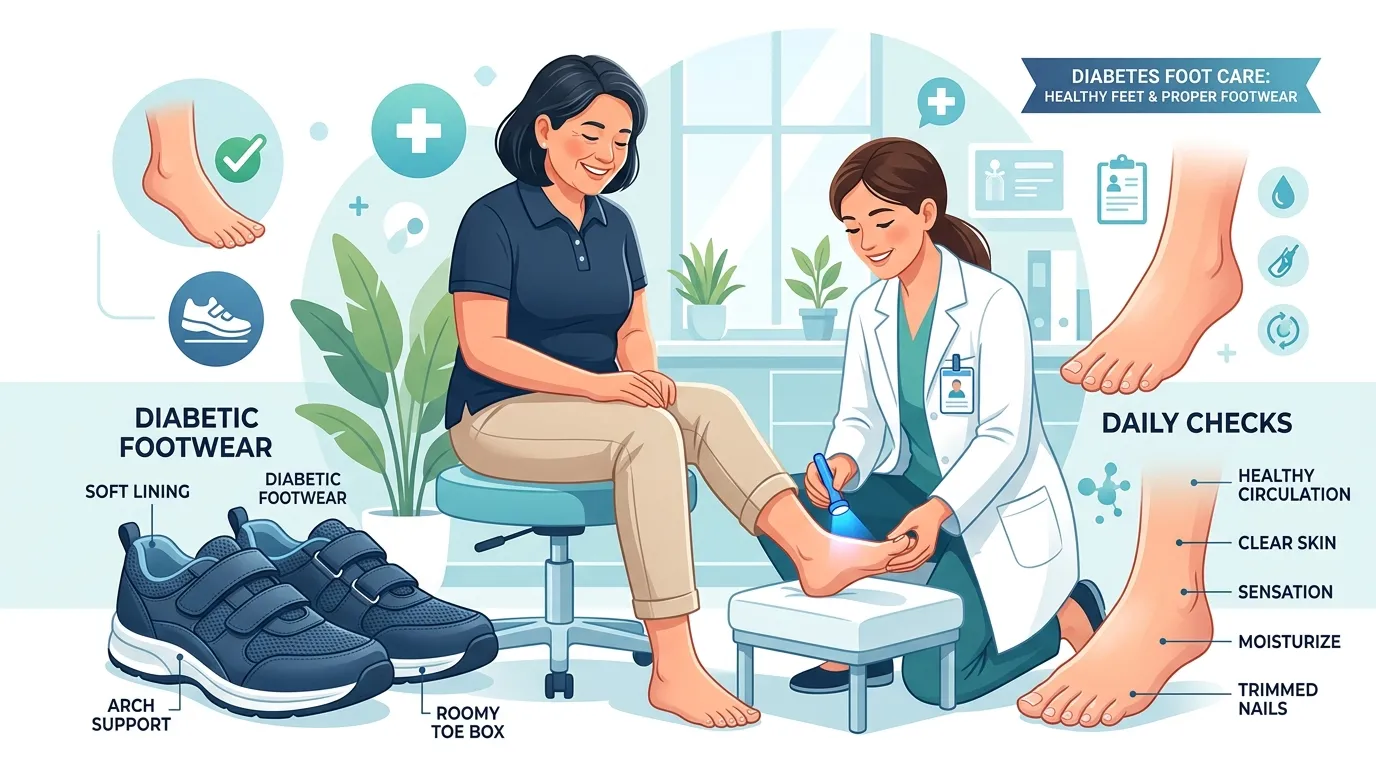
When living with diabetes, taking care of your feet is much more than a matter of comfort—it is an important part of protecting your overall health. Every year, thousands of people with diabetes develop foot ulcers, infections, and other complications that may have been preventable through early detection and proper foot care.
Diabetes can affect the feet in several ways. Over time, elevated blood glucose may damage the nerves (diabetic neuropathy), reducing the ability to feel pain, heat, or injury. Diabetes can also reduce circulation, slowing the delivery of oxygen and nutrients needed for healing. Together, these changes increase the risk that even a small blister, cut, or scrape can develop into a serious infection.
The good news is that most diabetes-related foot complications can be prevented. Daily foot inspections, appropriate footwear, good blood glucose management, and prompt medical attention for injuries all play important roles in keeping your feet healthy.
This guide explores the most common foot care mistakes people with diabetes make and explains practical steps to help you avoid them.
Why Diabetes Increases the Risk of Foot Problems
Healthy feet rely on good circulation, healthy nerves, and intact skin.
Diabetes can affect all three.
Persistently elevated blood glucose may lead to:
- Peripheral neuropathy
- Reduced circulation (peripheral artery disease)
- Dry skin
- Slower wound healing
- Increased infection risk
Because nerve damage may reduce sensation, you might not notice injuries that would normally cause pain. A pebble inside a shoe, a blister, or even a small cut can go unnoticed until it becomes infected.
Reduced circulation makes healing more difficult, while elevated blood glucose can impair the body's ability to fight infection.
Understanding these risks highlights why daily foot care is so important.
Mistake #1: Not Looking at Your Feet Every Day
One of the biggest mistakes is assuming that if your feet don't hurt, they must be healthy.
Unfortunately, diabetic neuropathy may reduce or eliminate pain sensation.
That's why experts recommend inspecting your feet every day.
Look carefully for:
- Cuts
- Blisters
- Redness
- Swelling
- Bruises
- Cracks
- Corns
- Calluses
- Drainage
- Changes in skin color
- Ingrown toenails
- Don't forget to examine:
- The soles
- Between the toes
- Around the heels
- Around the toenails
If it's difficult to see the bottoms of your feet, use a handheld mirror or ask a family member for assistance.
Mistake #2: Walking Barefoot
Walking barefoot—even inside your home—can expose your feet to injury.
Common household hazards include:
- Small splinters
- Pet toys
- Sharp objects
- Hot flooring
- Broken glass
- Rough surfaces
Because neuropathy may reduce sensation, injuries can occur without being noticed.
Wear properly fitting shoes or supportive slippers whenever you're walking.
Avoid going barefoot:
- Indoors
- Outdoors
- On the beach
- Around swimming pools
- In hotel rooms
- Protecting your feet starts with keeping them covered.
- Mistake #3: Wearing Shoes That Don't Fit Properly
- Shoes that are too tight, too loose, or poorly designed may cause:
- Blisters
- Corns
- Calluses
- Pressure points
- Skin breakdown
- Toenail injuries
- Choose shoes that:
- Fit comfortably
- Provide adequate toe room
- Support the arch
- Cushion the sole
- Hold the heel securely
- Break in new shoes gradually.
Wear them for only an hour or two at first while checking your feet afterward for any areas of redness or irritation.
Mistake #4: Ignoring Small Cuts or Blisters
A tiny blister may not seem important.
However, in someone with diabetes, even minor skin injuries deserve attention.
Clean minor wounds promptly with mild soap and clean water.
Apply a clean dressing if appropriate.
Monitor the area every day.
Contact your healthcare provider if you notice:
- Increasing redness
- Swelling
- Warmth
- Drainage
- Foul odor
- Fever
- Delayed healing
- Prompt treatment often prevents more serious complications.
- Mistake #5: Trimming Toenails Incorrectly
- Improper nail care can lead to painful ingrown toenails or skin injuries.
- To trim your toenails safely:
- Cut nails straight across.
- Avoid cutting them too short.
- Smooth rough edges gently with an emery board.
- Avoid digging into the corners of the nails.
If you have poor vision, difficulty reaching your feet, thick nails, or significant neuropathy, ask a podiatrist or trained healthcare professional to trim your nails instead.
Mistake #6: Treating Corns or Calluses Yourself
Corns and calluses develop from repeated pressure or friction.
Many over-the-counter products contain strong chemicals that remove thickened skin.
These products may damage healthy tissue and increase the risk of burns or ulcers in people with diabetes.
Avoid:
- Razor blades
- Sharp instruments
- Corn-removal acids
- Home surgery
Instead, ask your podiatrist to evaluate persistent corns or calluses and recommend safe treatment.
Mistake #7: Wearing Dirty or Damp Socks
Socks play a bigger role than many people realize.
Choose socks that:
- Fit well without bunching
- Keep feet dry
- Have minimal seams
- Wick moisture away from the skin
- Change socks daily—or more often if they become damp from sweat or rain.
- Avoid socks with tight elastic bands that restrict circulation.
- Mistake #8: Forgetting to Moisturize
- Dry skin can crack, creating openings where bacteria may enter.
- Moisturize your feet every day using a fragrance-free cream or ointment.
- However:
- Do not apply moisturizer between your toes.
Excess moisture between the toes can encourage fungal growth and increase infection risk.
Mistake #9: Ignoring Changes in Foot Shape
Over time, neuropathy may contribute to changes in foot structure.
Watch for:
- Bunions
- Hammertoes
- Collapsed arches
- Swelling
- Shoes fitting differently
- These changes may create pressure points that increase the risk of ulcers.
If you notice changes in foot shape or persistent pain, schedule an evaluation with your healthcare provider or podiatrist.
Mistake #10: Delaying Medical Care
Many serious foot complications begin as minor problems.
Do not wait to seek medical care if you notice:
- A wound that isn't healing
- Black or blue discoloration
- Increasing redness
- Swelling
- Drainage
- Fever
- Severe pain
- Loss of circulation
- A new ulcer
Early treatment is often the key to preventing hospitalization or more serious complications.
Choose Shoes Designed for Comfort and Protection
Your shoes are one of the most important tools for protecting your feet.
Whether you're at work, exercising, or running errands, supportive footwear helps reduce pressure, friction, and the risk of injury.
Look for shoes that offer:
- A wide toe box that allows your toes to move comfortably
- Good arch support
- Cushioned soles
- A secure heel
- Breathable materials
- Low heels with stable construction
- Avoid shoes that:
- Pinch your toes
- Rub against your heels
- Have pointed toe boxes
- Lack support
- Cause pressure points
If you've had a previous foot ulcer, significant foot deformities, or severe neuropathy, your healthcare provider or podiatrist may recommend therapeutic or diabetic shoes designed to reduce pressure on vulnerable areas.
Always Check Inside Your Shoes
Before putting on your shoes each day, take a moment to inspect the inside.
Look for:
- Small rocks
- Folded insoles
- Torn linings
- Loose objects
- Sharp edges
- Worn areas
Even something as small as a pebble or a wrinkled sock can create enough pressure to cause a blister if you have reduced sensation.
Making shoe inspections part of your daily routine takes only a few seconds but can prevent significant problems.
Wash and Dry Your Feet Carefully
Good hygiene helps reduce bacteria and fungi while keeping the skin healthy.
Each day:
- Wash your feet with warm (not hot) water.
- Use mild soap.
- Avoid soaking your feet for long periods, which can dry the skin.
- Dry thoroughly, especially between the toes.
Because diabetic neuropathy may reduce your ability to sense temperature, always test bath water with your elbow or a thermometer before placing your feet in the water to avoid burns.
Support Healthy Circulation
Healthy blood flow delivers oxygen and nutrients that help keep skin and tissues healthy.
To support circulation:
- Walk regularly if approved by your healthcare provider.
- Stretch your ankles and toes throughout the day.
- Avoid sitting with your legs crossed for long periods.
- Elevate your feet when sitting if recommended.
- Maintain a healthy weight.
- Control blood pressure and cholesterol.
Regular movement also benefits your heart, blood glucose management, and overall mobility.
Don't Smoke
Smoking narrows blood vessels and reduces circulation throughout the body.
For people with diabetes, smoking can:
- Slow wound healing
- Increase the risk of peripheral artery disease
- Raise the likelihood of foot ulcers
- Increase the risk of infection
- Contribute to amputation risk
Quitting smoking is one of the most effective ways to improve circulation and reduce diabetes-related complications.
If you need support, speak with your healthcare provider about smoking cessation resources.
Keep Blood Glucose Within Your Target Range
Healthy blood glucose management benefits every part of the body—including your feet.
Keeping blood glucose within your individualized target range may help:
- Slow nerve damage
- Improve wound healing
- Reduce infection risk
- Support healthy circulation
- Lower the likelihood of future foot complications
Work with your healthcare team to develop a diabetes management plan that includes healthy eating, physical activity, medications, and regular monitoring.
Schedule Regular Foot Exams
Even if your feet appear healthy, regular professional foot examinations remain important.
During a foot exam, your healthcare provider or podiatrist may evaluate:
- Skin condition
- Circulation
- Sensation
- Pulses
- Foot shape
- Toenails
- Calluses
- Footwear
Many adults with diabetes benefit from a comprehensive foot examination at least once a year, while those with neuropathy, previous ulcers, or other risk factors may need more frequent evaluations.
Know the Warning Signs of Serious Foot Problems
Seek medical care promptly if you notice:
- An open sore or ulcer
- Increasing redness
- Swelling
- Warmth
- Pus or drainage
- A foul odor
- Black or blue skin
- Fever with a foot wound
- Sudden increase in pain
- Loss of sensation
- A blister that isn't healing
- Never attempt to treat serious foot wounds at home.
Early evaluation and treatment greatly improve the chances of healing and reduce the risk of complications.
Foot Care Should Become Part of Your Daily Routine
Protecting your feet doesn't require complicated routines.
Simple daily habits can make a tremendous difference over time.
A healthy foot care routine includes:
- Inspecting your feet every day.
- Washing and drying them carefully.
- Moisturizing dry skin (but not between the toes).
- Wearing clean, properly fitting socks.
- Choosing supportive shoes.
- Checking shoes before wearing them.
- Managing blood glucose consistently.
- Reporting concerns early.
These habits take only a few minutes but may help prevent ulcers, infections, and more serious complications.
Frequently Asked Questions
Why are foot problems more common in people with diabetes?
Diabetes can damage nerves, reduce circulation, and slow wound healing. Together, these changes increase the risk of ulcers, infections, and other foot complications.
Should I soak my feet?
Routine soaking is generally not recommended because it can dry the skin and increase the risk of cracking. Wash your feet daily with warm water instead.
Is it safe to remove corns myself?
No. People with diabetes should avoid using razor blades, chemical corn removers, or other home treatments that may injure healthy skin. A podiatrist can recommend safer treatment options.
How often should I check my feet?
Inspect your feet every day, even if they feel normal. Early detection of cuts, blisters, redness, or swelling allows treatment to begin before complications develop.
When should I call my healthcare provider?
Contact your healthcare provider immediately if you notice an open wound, increasing redness, swelling, drainage, blackened skin, fever, or any injury that does not begin healing promptly.
Key Takeaways
Diabetes can increase the risk of nerve damage, reduced circulation, slow healing, and foot infections.
Daily foot inspections are one of the most effective ways to detect problems early.
Never walk barefoot, even indoors.
Wear properly fitting shoes and clean, moisture-wicking socks.
Moisturize dry skin daily, but avoid applying lotion between the toes.
Clean and monitor even small cuts or blisters, and seek medical attention if they worsen or fail to heal.
Manage blood glucose, avoid smoking, and stay physically active to support healthy circulation.
Regular foot exams with your healthcare provider or podiatrist are an essential part of diabetes care.