
Healthy Restaurant Eating Strategies for People with Diabetes
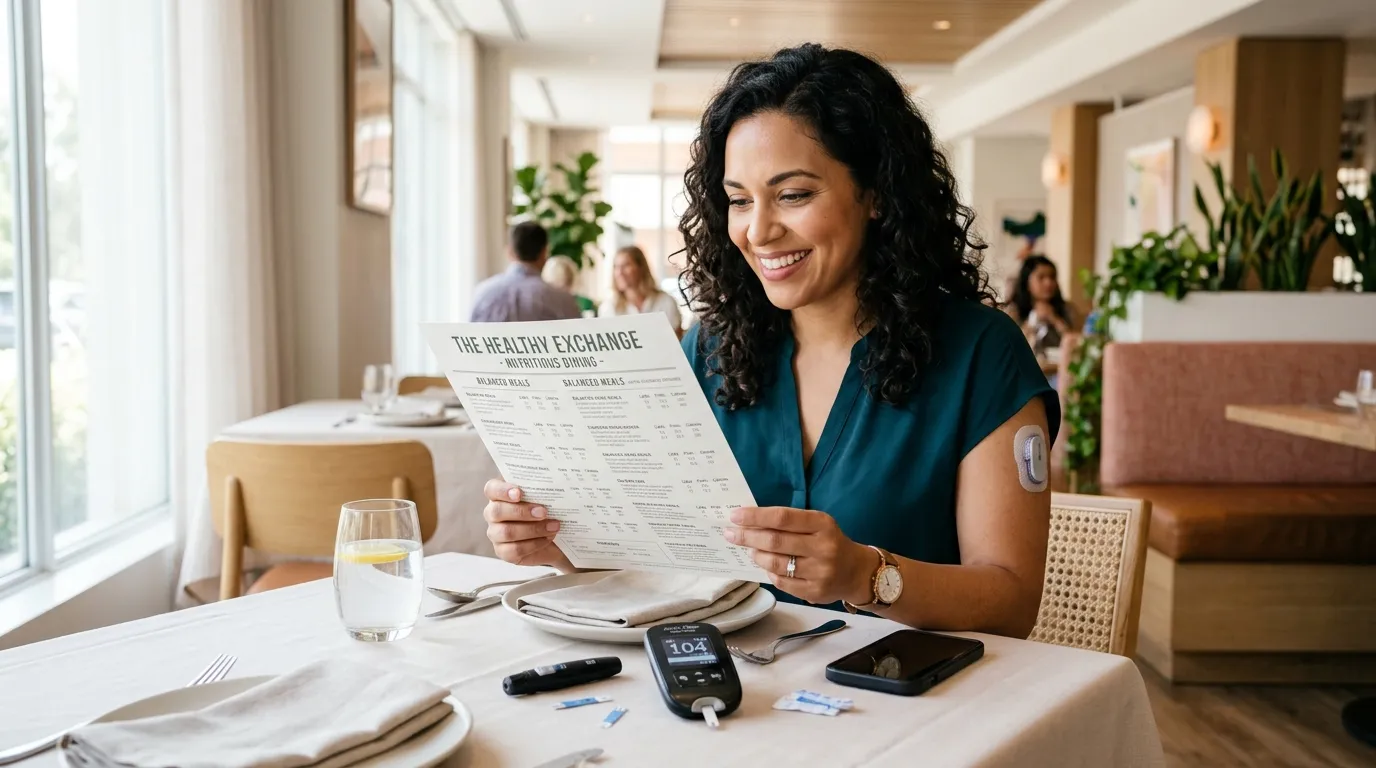
Eating at restaurants is one of life's greatest pleasures. Whether you're celebrating a birthday, meeting friends for lunch, traveling for work, or simply taking a break from cooking, dining out should be enjoyable—not stressful.
For people living with diabetes, however, restaurant meals often come with unique challenges. Larger portions, hidden sugars, high-fat ingredients, and limited nutrition information can make it difficult to predict how a meal will affect blood glucose levels.
The good news is that having diabetes doesn't mean you have to avoid restaurants. With a little planning and smart decision-making, you can enjoy almost any dining experience while maintaining healthy blood sugar control.
This guide explains practical strategies that help people with diabetes confidently navigate restaurant menus, estimate carbohydrates, make healthier choices, and still enjoy their favorite foods.
Why Restaurant Meals Can Affect Blood Sugar Differently
Restaurant meals are often very different from meals prepared at home.
Many restaurants prioritize flavor and presentation, which often means using:
- More butter
- Heavy cream
- Cooking oils
- Sugar-based sauces
- Larger portions
- Refined carbohydrates
- Extra sodium
Even meals that appear healthy can contain significantly more calories and carbohydrates than expected.
For example, a grilled chicken sandwich may seem like a healthy option, but the bun, sauces, fries, and sweetened beverage served alongside it can dramatically increase the carbohydrate content.
Understanding these hidden sources of carbohydrates helps you make informed decisions before ordering.
Plan Before You Go
One of the best ways to stay on track is to make decisions before arriving at the restaurant.
Many restaurants now publish:
- Nutrition information
- Online menus
- Ingredient lists
- Allergen guides
Reviewing the menu beforehand allows you to compare options without feeling rushed.
Consider asking yourself:
Which meal contains lean protein?
Can vegetables replace fries?
Are smaller portions available?
Is grilled available instead of fried?
Can sauces be served on the side?
Planning ahead reduces impulsive choices that may lead to unexpected blood sugar spikes.
Don't Arrive Extremely Hungry
Skipping meals before dining out is a common mistake.
Many people think they'll "save calories" by avoiding breakfast or lunch before a restaurant dinner.
Unfortunately, arriving overly hungry often leads to:
- Eating too quickly
- Larger portions
- Ordering extra appetizers
- Choosing high-carbohydrate foods
- Difficulty recognizing fullness
- Instead, eat balanced meals throughout the day.
- If dinner will be late, consider a small snack such as:
- Greek yogurt
- Cheese and whole-grain crackers
- A handful of nuts
- Apple slices with peanut butter
- A moderate snack can help prevent overeating later.
- Learn to Estimate Portion Sizes
- Restaurant portions have grown significantly over the past several decades.
- Many entrées actually contain two—or even three—servings.
- Helpful visual comparisons include:
- 3 ounces of meat = deck of cards
- 1 cup = baseball
- ½ cup = tennis ball
- 1 teaspoon = tip of your thumb
If a restaurant serves an 8-ounce steak, you're receiving nearly three recommended protein servings.
Recognizing portion sizes makes carbohydrate counting much easier.
Build a Balanced Plate
Rather than focusing only on carbohydrates, think about balancing your entire meal.
A simple approach is the Diabetes Plate Method:
- Half your plate should contain non-starchy vegetables.
- One-quarter should contain lean protein.
- One-quarter should contain carbohydrate-rich foods.
- Examples include:
- Vegetables
- Broccoli
- Green beans
- Asparagus
- Mixed salad
- Brussels sprouts
- Cauliflower
- Lean Protein
- Grilled chicken
- Fish
- Turkey
- Lean beef
- Shrimp
- Tofu
- Healthy Carbohydrates
- Brown rice
- Sweet potato
- Beans
- Whole-grain pasta
- Quinoa
- This balance helps slow digestion and reduce rapid glucose spikes.
- Choose Grilled More Often Than Fried
- Cooking methods matter just as much as ingredients.
- Healthier preparation methods include:
- Grilled
- Baked
- Broiled
- Roasted
- Steamed
- Poached
- Limit meals described as:
- Fried
- Crispy
- Breaded
- Smothered
- Loaded
- Creamy
Fried foods absorb additional fat during cooking, making blood sugar management more difficult while increasing calorie intake.
Watch Out for Hidden Sugars
Many restaurant sauces contain surprisingly large amounts of added sugar.
Examples include:
- Barbecue sauce
- Sweet chili sauce
- Honey mustard
- Teriyaki
- Glazes
- Sweet-and-sour sauce
- Ask for sauces on the side whenever possible.
This allows you to control both carbohydrates and calories while still enjoying the flavor.
Be Smart About Beverages
Drinks can significantly increase carbohydrate intake without making you feel full.
Common beverages that raise blood sugar quickly include:
- Regular soda
- Sweet tea
- Lemonade
- Fruit punch
- Milkshakes
- Specialty coffee drinks
- Sweet cocktails
- Better choices include:
- Water
- Sparkling water
- Unsweetened iced tea
- Black coffee
- Unsweetened tea
- Diet beverages, if appropriate
If consuming alcohol, drink with food and monitor blood glucose closely, as alcohol can increase the risk of delayed hypoglycemia, particularly for people taking insulin or certain diabetes medications.
Don't Be Afraid to Customize Your Order
Most restaurants are happy to accommodate reasonable requests.
Consider asking for:
- Sauce on the side
- Dressing on the side
- Steamed vegetables instead of fries
- Extra vegetables
- Whole-grain bread if available
- Smaller rice portions
- No added butter
- Grilled instead of fried preparation
Simple substitutions can substantially reduce calories, carbohydrates, and saturated fat without sacrificing satisfaction.
Count Carbohydrates When Possible
Carbohydrates have the greatest impact on blood glucose levels, so estimating your intake can help you make informed choices and adjust medications if needed.
Many chain restaurants publish nutrition information online or in-store, making it easier to estimate carbohydrate content. For local restaurants, you may need to rely on portion sizes and experience.
Common carbohydrate sources include:
- Bread and rolls
- Rice
- Pasta
- Potatoes
- Pizza crust
- Tortillas
- Fruit
- Desserts
- Sweetened beverages
Keep in mind that sauces, gravies, and breading can also add carbohydrates. If you're unsure about an ingredient, don't hesitate to ask your server.
Make Healthier Choices at Different Types of Restaurants
Every cuisine offers diabetes-friendly options with a few smart modifications.
American Restaurants
Choose grilled chicken, fish, turkey burgers without heavy sauces, or lean steak. Replace fries with a side salad, steamed vegetables, or fruit if available.
Italian Restaurants
Tomato-based sauces are usually lower in fat than creamy Alfredo sauces. Consider grilled chicken with vegetables, minestrone soup, or a smaller portion of pasta paired with a salad.
Mexican Restaurants
Enjoy grilled chicken or steak fajitas, chicken tacos on corn tortillas, or burrito bowls. Limit chips, large flour tortillas, sour cream, and queso when possible.
Asian Restaurants
Steamed vegetables, grilled proteins, tofu, and stir-fries with light sauce are excellent choices. Ask for sauce on the side and choose brown rice if available.
Breakfast Restaurants
Opt for eggs, vegetable omelets, turkey sausage, or oatmeal without added sugar. Whole-grain toast is often a better option than pancakes, waffles, or sweet pastries.
Remember that no cuisine is completely off-limits. The goal is making balanced choices most of the time.
Handle Buffets Carefully
Buffets can encourage overeating because of the wide variety of foods available.
Before filling your plate:
- Walk around and look at all the options.
- Decide what you truly want.
- Fill half your plate with non-starchy vegetables.
- Add lean protein.
- Choose one moderate carbohydrate serving.
- Avoid returning for multiple full plates simply because the food is available.
Eating slowly gives your body time to recognize fullness, making it easier to stop before becoming overly full.
Save Room for Dessert—Occasionally
Having diabetes doesn't mean dessert is permanently off the menu.
If you'd like dessert:
- Share it with others.
- Choose a smaller portion.
- Skip sugary drinks during the meal.
- Balance carbohydrates throughout the rest of the meal.
- Enjoy it mindfully rather than eating quickly.
Fresh fruit, berries, or a small serving of frozen yogurt may also satisfy a sweet craving with less added sugar.
Remember that one dessert doesn't define your overall diabetes management. Consistent healthy habits matter much more than a single meal.
Fast Food Can Fit into Your Plan
Fast food is sometimes unavoidable during travel or busy schedules.
Healthier options may include:
- Grilled chicken sandwiches (without creamy sauces)
- Salads with grilled protein
- Bunless burgers
- Chili
- Apple slices instead of fries
- Water or unsweetened beverages
Watch portion sizes, as combo meals can quickly become very high in calories, carbohydrates, and sodium.
Time Your Medications and Monitor Blood Glucose
Restaurant meals may take longer to arrive than expected, especially during busy hours.
If you take rapid-acting insulin or other medications that require careful meal timing, talk with your healthcare provider about the best strategy for dining out.
Checking your blood glucose before and after unfamiliar meals can help you learn how different foods affect your body. Over time, these observations make restaurant dining much less stressful.
People who use continuous glucose monitors (CGMs) can also review glucose trends after restaurant meals to identify patterns and make adjustments for future visits.
Common Mistakes to Avoid
Even experienced diners can make choices that unexpectedly affect blood sugar.
Common mistakes include:
- Skipping meals before eating out
- Drinking sugar-sweetened beverages
- Ignoring portion sizes
- Eating bread or chips without counting them
- Forgetting about sauces and dressings
- Ordering fried foods frequently
- Eating too quickly
- Not checking blood glucose after unfamiliar meals
Awareness of these habits can help you make small changes that have a meaningful impact over time.
Dining Out Is About Balance, Not Perfection
Healthy eating with diabetes isn't about avoiding restaurants or eliminating favorite foods forever.
Instead, focus on making informed decisions most of the time. A balanced approach allows you to enjoy social occasions while supporting your long-term health.
Remember that one meal won't make or break your diabetes management. What matters most is the pattern of choices you make over weeks, months, and years.
With planning, portion awareness, and flexibility, dining out can remain an enjoyable part of a healthy lifestyle.
Frequently Asked Questions
Can people with diabetes eat at restaurants regularly?
Yes. People with diabetes can enjoy restaurant meals by paying attention to portion sizes, carbohydrate intake, and balanced meal choices.
Is it okay to eat dessert?
Yes, occasionally. Smaller portions or sharing dessert can help you enjoy treats while managing blood glucose.
Should I avoid carbohydrates completely?
No. Carbohydrates are an important source of energy. The goal is choosing healthier carbohydrate sources and appropriate portions rather than eliminating them.
What's the healthiest drink at a restaurant?
Water, sparkling water without added sugar, unsweetened tea, and black coffee are excellent choices for most people.
Should I tell the restaurant that I have diabetes?
It's not required, but if you have dietary needs or need food prepared a certain way, informing your server can be helpful.
Key Takeaways
Restaurant meals often contain larger portions and hidden sources of carbohydrates, fat, and sodium.
Reviewing menus ahead of time can make healthier choices easier.
Use the Diabetes Plate Method to create balanced meals with vegetables, lean protein, and healthy carbohydrates.
Choose grilled, baked, roasted, or steamed foods more often than fried options.
Request sauces and dressings on the side to better control carbohydrate intake.
Be mindful of beverages, as sugary drinks can quickly raise blood glucose.
Portion awareness and carbohydrate counting can help improve blood sugar management when eating out.
Dining out with diabetes is entirely possible with planning, flexibility, and informed food choices.