
Meal Planning for Busy Families with Diabetes: Simple Strategies for Healthy Eating Every Day
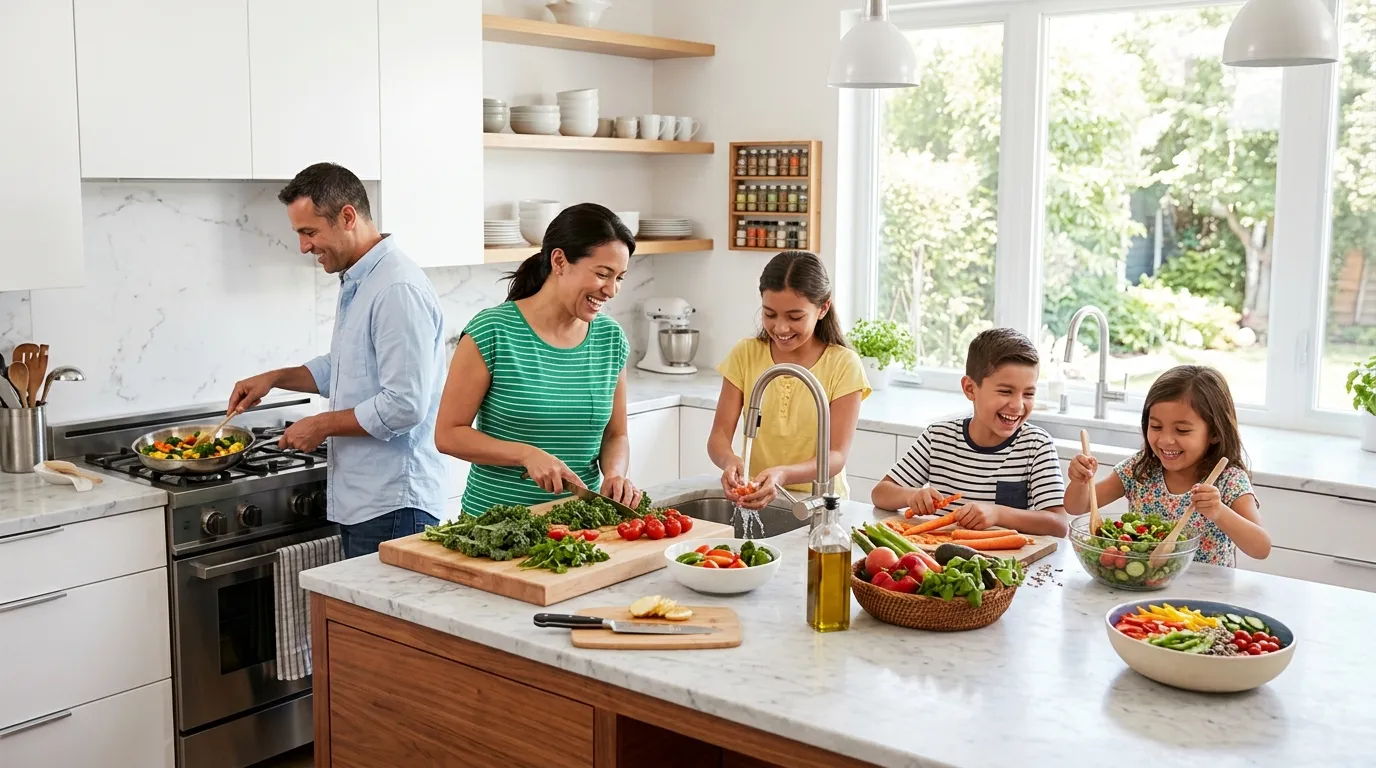
Between work, school, sports, appointments, and household responsibilities, finding time to prepare healthy meals can feel overwhelming. For families managing diabetes, busy schedules can make healthy eating seem even more challenging.
The good news is that meal planning doesn't have to be complicated. With a little preparation, families can enjoy nutritious, satisfying meals that support healthy blood sugar levels while reducing the stress of deciding what to eat each day.
Whether one family member has diabetes or everyone is working toward healthier eating habits, meal planning can save time, reduce food waste, lower grocery costs, and make balanced meals easier to achieve.
This guide shares practical strategies for creating simple, diabetes-friendly meal plans that work for real families with busy lives.
Why Meal Planning Matters
Meal planning involves deciding what you'll eat in advance rather than making last-minute decisions.
Planning ahead offers several benefits, including:
- More balanced nutrition
- Better blood glucose management
- Less reliance on takeout or fast food
- Reduced food waste
- Lower grocery bills
- Less daily stress
When healthy ingredients are already available and meals are planned, it's easier to make choices that support long-term health.
Focus on Balance, Not Perfection
Healthy eating doesn't require preparing elaborate meals every night.
Instead, aim to include a balance of:
- Non-starchy vegetables
- Lean protein
- High-fiber carbohydrates
- Healthy fats
- A simple framework is the Diabetes Plate Method:
Half the plate: Non-starchy vegetables such as broccoli, green beans, spinach, peppers, or salad.
One-quarter: Lean protein such as chicken, fish, turkey, tofu, eggs, or beans.
One-quarter: Carbohydrate-rich foods such as brown rice, quinoa, sweet potatoes, or whole-grain pasta.
This approach can help support more stable blood glucose while providing a variety of nutrients.
Start with a Weekly Meal Plan
Rather than planning one meal at a time, map out meals for the week.
A basic weekly plan might include:
- Monday: Grilled chicken, roasted vegetables, and brown rice
- Tuesday: Turkey chili with beans and a side salad
- Wednesday: Baked salmon, steamed broccoli, and quinoa
- Thursday: Vegetable stir-fry with tofu and brown rice
- Friday: Whole-grain pasta with lean turkey meatballs and a mixed green salad
Planning meals in advance helps reduce the temptation to order takeout after a busy day.
Build Your Grocery List Around Your Meal Plan
Once you've planned your meals, create a grocery list based on the ingredients you'll need.
Organizing your list by grocery store sections can make shopping more efficient.
For example:
- Produce
- Leafy greens
- Broccoli
- Bell peppers
- Carrots
- Tomatoes
- Cucumbers
- Berries
- Apples
- Protein
- Chicken breasts
- Fish
- Lean ground turkey
- Eggs
- Greek yogurt
- Tofu
- Beans
- Whole Grains
- Brown rice
- Quinoa
- Whole-grain bread
- Whole-grheat pasta
- Oats
- Healthy Fats
- Olive oil
- Avocados
- Nuts
- Seeds
- Natural peanut butter
Shopping with a list can reduce impulse purchases and help keep your budget on track.
Prep Ingredients Ahead of Time
Meal preparation doesn't always mean cooking complete meals in advance.
Even small tasks completed before the week begins can save valuable time.
Consider:
- Washing vegetables
- Cutting fruits
- Cooking brown rice or quinoa
- Preparing grilled chicken
- Boiling eggs
- Portioning snacks into containers
- Chopping onions and peppers
Having ingredients ready makes healthy meals much easier to prepare on busy evenings.
Use Leftovers Wisely
Cooking extra portions can reduce the amount of time spent preparing meals later in the week.
For example:
- Roast extra chicken for salads and wraps.
- Prepare extra roasted vegetables for lunch bowls.
- Make a large batch of chili for multiple meals.
- Cook additional brown rice for stir-fries later in the week.
- Repurposing leftovers reduces waste while saving both time and money.
- Keep Quick Meal Options Available
- Some evenings simply don't allow much time for cooking.
Stock your refrigerator, freezer, and pantry with ingredients for fast meals such as:
- Frozen vegetables
- Canned beans
- Canned tuna
- Whole-grain wraps
- Rotisserie chicken (remove the skin if desired)
- Plain Greek yogurt
- Frozen salmon fillets
These ingredients can be combined into nutritious meals in less than 30 minutes.
Include the Whole Family
Meal planning works best when everyone participates.
Children can help:
- Choose vegetables
- Wash produce
- Stir ingredients
- Set the table
- Help prepare simple snacks
Involving family members encourages healthier eating habits and helps children become more comfortable trying new foods.
Rather than preparing separate meals for one family member with diabetes, aim to serve balanced meals that everyone can enjoy.
Plan for Busy Days
Some days are naturally more hectic than others.
Before the week begins, identify evenings when you'll have limited time to cook.
Plan simple meals for those days, such as:
- Slow cooker chicken and vegetables
- Sheet-pan meals
- Vegetable omelets
- Whole-grain wraps with grilled chicken
- Soup paired with a salad
Saving more elaborate recipes for less busy days can make your meal plan easier to follow.
Healthy Snacks Keep Everyone Satisfied
Nutritious snacks can help bridge the gap between meals, especially for growing children, active adults, or people who experience long periods between meals.
Aim for snacks that combine carbohydrates with protein or healthy fats to help promote fullness and support more stable blood sugar levels.
Some family-friendly snack ideas include:
- Apple slices with peanut butter
- Plain Greek yogurt topped with berries
- Carrot and celery sticks with hummus
- A handful of unsalted nuts with a small piece of fruit
- Whole-grain crackers with cheese
- Cottage cheese with cucumber or cherry tomatoes
- Air-popped popcorn sprinkled with herbs
Preparing snack portions in advance can make healthier choices more convenient during busy weekdays.
Batch Cooking Saves Time
Batch cooking means preparing larger quantities of food that can be used throughout the week.
Examples include:
- Grilling several chicken breasts at once
- Cooking a large pot of brown rice or quinoa
- Making a big batch of vegetable soup
- Preparing turkey chili
- Roasting multiple trays of vegetables
- Store meals in individual containers for quick lunches or easy dinners.
Most cooked foods can be refrigerated for several days or frozen for longer storage, making batch cooking an excellent strategy for busy families.
Make Eating Out Part of Your Plan
Even the best meal plans should leave room for flexibility.
If your family eats at restaurants occasionally:
- Review menus online before arriving.
- Choose grilled, baked, or roasted entrées more often than fried foods.
- Replace fries with vegetables or a side salad when possible.
- Request dressings and sauces on the side.
- Share large portions or take half home for another meal.
- Choose water or unsweetened beverages instead of sugar-sweetened drinks.
Planning ahead helps restaurant meals fit into your overall eating pattern without unnecessary stress.
Don't Forget Breakfast
Busy mornings often lead to skipped breakfasts or grabbing foods high in refined carbohydrates.
Preparing breakfast in advance can help everyone start the day with balanced nutrition.
Simple options include:
- Overnight oats made with chia seeds and berries
- Vegetable egg muffins prepared ahead of time
- Plain Greek yogurt with fresh fruit and nuts
- Whole-grain toast with peanut butter
- Cottage cheese with sliced peaches or berries
- Smoothies made with unsweetened milk, spinach, berries, and Greek yogurt
Eating a balanced breakfast may help improve energy levels and reduce overeating later in the day.
Stay Flexible
Meal planning isn't meant to create additional stress.
Unexpected schedule changes happen.
If dinner doesn't go according to plan:
- Swap meals between days.
- Use leftovers.
- Prepare breakfast for dinner.
- Keep frozen vegetables and pantry staples available for quick meals.
- Flexibility helps make meal planning sustainable over the long term.
- A Sample One-Day Diabetes-Friendly Family Menu
- Breakfast
- Vegetable omelet
- Whole-grain toast
- Fresh berries
- Morning Snack
- Apple slices with peanut butter
- Lunch
- Grilled chicken salad with mixed greens
- Whole-grgrain roll
- Fresh fruit
- Afternoon Snack
- Plain Greek yogurt with blueberries
- Dinner
- Baked salmon
- Roasted broccoli
- Brown rice
- Evening Snack (if appropriate)
- Whole-grain crackers with cheese
This menu provides a balance of lean protein, fiber-rich carbohydrates, vegetables, healthy fats, and fruit while remaining suitable for the whole family.
Common Meal Planning Mistakes
Meal planning doesn't have to be perfect, but avoiding a few common mistakes can make it more effective.
These include:
- Planning meals that require too much preparation on busy days
- Buying more fresh produce than can be used before it spoils
- Forgetting to include healthy snacks
- Preparing meals without enough vegetables
- Relying too heavily on highly processed convenience foods
- Skipping meals because of a busy schedule
- Not keeping pantry and freezer staples stocked
Starting with a simple, realistic plan is often more successful than trying to overhaul your family's eating habits overnight.
Small Changes Lead to Lasting Habits
Healthy meal planning isn't about creating the "perfect" menu every week.
It's about building routines that make nutritious eating easier and more consistent.
Preparing even a few meals at home each week, adding more vegetables to family dinners, or keeping healthy snacks available can make a meaningful difference over time.
When healthy choices become part of your family's routine, managing diabetes often feels less overwhelming and more sustainable.
Frequently Asked Questions
Do I need to prepare separate meals for someone with diabetes?
Usually not. Most diabetes-friendly meals are healthy for the entire family. Preparing one balanced meal for everyone can save time and encourage healthier eating habits.
How many meals should I plan each week?
Many families find it helpful to plan dinners for five to seven days and keep simple options available for breakfasts, lunches, and snacks.
Are frozen vegetables healthy?
Yes. Frozen vegetables are nutritious, convenient, and often just as healthy as fresh vegetables because they're typically frozen soon after harvest.
What if we have a very busy schedule?
Focus on simple meals, batch cooking, leftovers, slow cooker recipes, and keeping healthy pantry staples on hand.
Can meal planning help save money?
Yes. Planning meals before shopping often reduces impulse purchases, food waste, and the cost of frequent takeout meals.
Key Takeaways
Meal planning helps busy families prepare balanced meals while supporting healthy blood glucose management.
Use the Diabetes Plate Method to build meals with vegetables, lean protein, and high-fiber carbohydrates.
Plan meals and grocery lists before shopping to save time and reduce waste.
Batch cooking and using leftovers can make healthy eating more convenient during busy weeks.
Keep healthy snacks readily available to reduce reliance on highly processed foods.
Choose flexible meal plans that can adapt to changing schedules.
Diabetes-friendly meals are generally healthy for the whole family, eliminating the need to cook separate dishes.
Consistent planning and preparation can make healthy eating easier, more affordable, and more sustainable over time.