
New Advances in Diabetes Treatment and Technology: What People with Diabetes Should Know
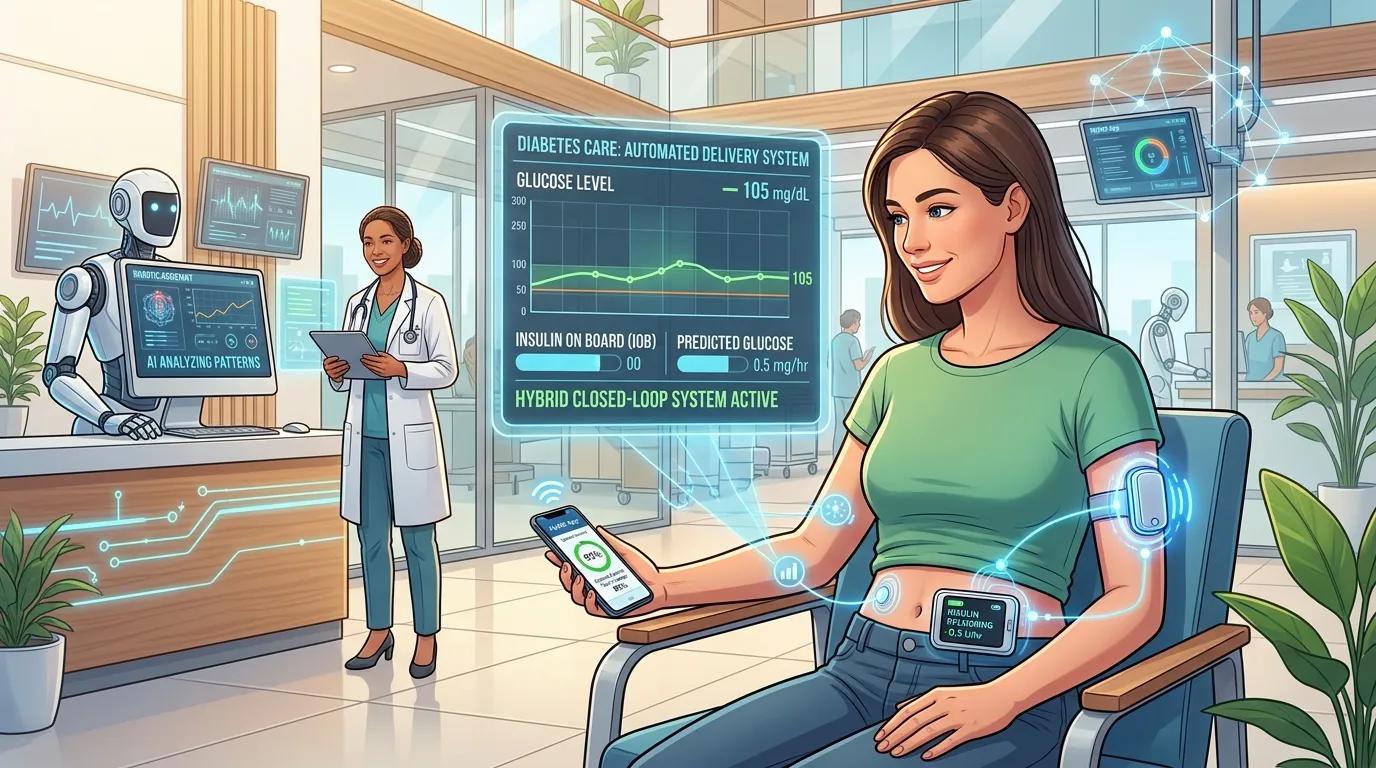
Diabetes care has changed dramatically over the past several decades.
Managing diabetes once depended largely on urine testing, occasional blood glucose measurements, restrictive meal plans, and a relatively small number of medications. Today, many people have access to continuous glucose monitors, increasingly sophisticated insulin pumps, automated insulin delivery systems, medications that address multiple aspects of metabolic health, and digital tools capable of analyzing thousands of glucose readings.
The pace of change continues to accelerate.
Some newer technologies reduce the number of daily decisions required to manage diabetes. Others provide healthcare professionals with information that would have been nearly impossible to collect in the past.
At the same time, newer does not automatically mean better for every individual.
Cost, insurance coverage, side effects, training requirements, comfort with technology, lifestyle, type of diabetes, and personal preferences all influence whether a particular treatment or device is appropriate.
Understanding what is available can help people with diabetes have more informed conversations with their healthcare teams.
Continuous Glucose Monitoring Is Becoming a Bigger Part of Diabetes Care
Continuous glucose monitoring, commonly called CGM, has been one of the most important developments in modern diabetes management.
A CGM uses a small sensor to measure glucose in the fluid surrounding the body's cells. Depending on the device, readings can be updated every few minutes and displayed on a smartphone, receiver, smartwatch, or compatible insulin pump.
Instead of seeing only a few glucose readings each day, CGM users can observe:
- Current glucose
- Glucose trends
- Rate of change
- Overnight patterns
- Responses to meals
- Responses to exercise
- Time in Range
- Time Above Range
- Time Below Range
- CGM can also provide alerts when glucose is becoming too high or too low.
The role of CGM has continued to expand. Current diabetes guidelines support CGM for a broader range of people with diabetes, particularly those using insulin and others for whom CGM information can meaningfully improve management.
CGM Is No Longer Only About Type 1 Diabetes
Early CGM technology was used primarily by people with Type 1 diabetes.
That is changing.
CGM is increasingly being used by people with Type 2 diabetes, including some who do not use multiple daily insulin injections.
The 2026 American Diabetes Association Standards of Care recommend CGM at diabetes onset and afterward for people using insulin, people using non-insulin treatments that can cause hypoglycemia, and other situations where CGM can help with diabetes management.
This broader approach reflects growing evidence that seeing glucose patterns can help people understand how meals, medications, exercise, sleep, and other factors affect their glucose.
CGM should still be individualized. Some people find continuous information extremely helpful, while others may prefer traditional glucose monitoring or periodic professional CGM.
Over-the-Counter CGMs Expand Access
Another important development is the emergence of over-the-counter continuous glucose monitoring.
Certain CGM products can now be obtained without a traditional prescription in the United States for eligible users.
These systems may increase access for people who want more information about glucose patterns but do not require the alerts or specialized features found in some prescription CGMs.
Over-the-counter availability does not mean everyone needs continuous glucose monitoring.
Glucose information is most useful when people understand what the numbers mean and how—or whether—they should respond to them.
Someone interested in CGM should consider discussing the information with a qualified healthcare professional, particularly if readings suggest possible diabetes or another glucose problem.
Automated Insulin Delivery Is Becoming More Capable
Automated insulin delivery, or AID, represents another major advancement.
An AID system generally combines:
- A continuous glucose monitor
- An insulin pump
- A computer algorithm
The CGM sends glucose information to the system. The algorithm analyzes those readings and automatically adjusts insulin delivery according to programmed settings and the system's design.
Some systems can increase insulin when glucose is predicted to rise and reduce or suspend insulin when glucose is predicted to fall.
These devices are sometimes informally called “artificial pancreas” or “closed-loop” systems, although currently available systems still require varying degrees of user involvement.
Automated Insulin Delivery Is Expanding Beyond Type 1 Diabetes
AID systems were initially developed primarily for Type 1 diabetes.
Their role is expanding.
The 2026 ADA Standards recommend that AID systems be offered to adults with Type 1 or Type 2 diabetes using insulin when appropriate for the person's needs and preferences. The standards also identify AID as the preferred insulin-delivery approach for many people with Type 1 diabetes and for adults and children with Type 2 diabetes using intensive insulin therapy when the technology can be used safely.
For people with Type 2 diabetes using basal insulin who are not meeting individualized glucose goals, AID may also be considered in appropriate circumstances.
This represents an important evolution in diabetes technology: automated insulin delivery is increasingly being viewed as a tool for insulin-treated diabetes rather than technology exclusively for Type 1 diabetes.
AID Doesn't Completely Eliminate Diabetes Management
Despite the term “automated,” today's systems do not necessarily manage every aspect of diabetes independently.
Depending on the system, users may still need to:
- Enter carbohydrates
- Announce meals
- Replace infusion sets
- Change pump sites
- Replace CGM sensors
- Respond to alerts
- Treat hypoglycemia
- Maintain backup insulin supplies
- Troubleshoot device failures
- Education remains extremely important.
The ADA's 2026 guidance emphasizes initial and ongoing training for people using CGM and AID systems, including how to interpret, share, and use the data generated by these devices.
Technology works best when the person using it understands both its capabilities and its limitations.
Connected and Smart Insulin Pens
Not everyone wants or needs an insulin pump.
Connected insulin pens and smart pen technology provide another option.
Depending on the product and system, these devices may help:
- Record insulin doses
- Track when insulin was given
- Calculate recommended doses
- Estimate insulin still active in the body
- Share dosing information with an app
- Integrate insulin information with CGM data
This can address a common challenge with insulin injections: remembering exactly when and how much insulin was taken.
Connected pens may also provide healthcare professionals with more complete information when reviewing glucose patterns.
Instead of looking only at glucose data, the clinician may be able to see how those patterns correspond with insulin doses.
Diabetes Apps Are Becoming More Sophisticated
Diabetes management increasingly extends beyond physical devices.
Software can help people:
- Record meals
- Track medications
- Analyze CGM data
- Identify recurring glucose patterns
- Track physical activity
- Communicate with healthcare professionals
- Receive diabetes education
- Monitor weight and other health measurements
Some software functions as a regulated medical device, while other apps are general wellness tools.
The distinction matters.
An attractive app or impressive artificial intelligence feature does not necessarily mean its medical recommendations have been clinically validated.
Before allowing software to influence medication or insulin decisions, determine whether the application is designed and authorized for that purpose and discuss its use with your healthcare team.
Artificial Intelligence Is Beginning to Influence Diabetes Care
Artificial intelligence and machine learning are increasingly being incorporated into diabetes technology.
These systems may help analyze large amounts of information from:
- CGMs
- Insulin pumps
- Electronic medical records
- Activity trackers
- Food logs
- Medication records
Algorithms can potentially identify patterns that are difficult to recognize manually.
For example, future systems may become better at predicting:
- Hypoglycemia
- Post-meal glucose increases
- Changes in insulin needs
- Individual responses to exercise
- Patterns associated with illness
AI may also help healthcare teams prioritize patients who need additional attention.
However, AI-generated recommendations should not automatically replace clinical judgment.
Diabetes management involves circumstances that algorithms may not fully understand, including illness, pregnancy, medication interactions, eating disorders, financial limitations, and individual treatment preferences.
GLP-1 Receptor Agonists Have Changed Type 2 Diabetes Treatment
Advances in diabetes care are not limited to devices.
Medications targeting the glucagon-like peptide-1, or GLP-1, pathway have significantly changed Type 2 diabetes and weight management.
GLP-1 receptor agonists can:
- Lower blood glucose
- Improve A1C
- Reduce appetite
- Promote weight loss
Have relatively low hypoglycemia risk when used without insulin or certain other medications
Certain medications in this class also have demonstrated cardiovascular or kidney benefits in appropriate populations.
As a result, medication selection for Type 2 diabetes increasingly considers more than glucose alone.
Healthcare professionals may consider:
- Cardiovascular disease
- Heart failure
- Kidney disease
- Obesity
- Risk of hypoglycemia
- Desired weight effects
- Medication cost
- Side effects
The goal is increasingly to select treatment that addresses the person's broader health risks rather than simply lowering A1C.
Dual GIP/GLP-1 Treatment
Another important development is medication that acts on more than one hormone pathway.
Tirzepatide, for example, activates receptors for both:
- Glucose-dependent insulinotropic polypeptide (GIP)
- Glucagon-like peptide-1 (GLP-1)
This dual mechanism can produce substantial improvements in glucose and body weight for many people with Type 2 diabetes.
Current ADA guidance recognizes GLP-1 receptor agonists and dual GIP/GLP-1 therapy as important options, particularly when weight management and cardiometabolic health are significant treatment considerations.
These medications are not appropriate for everyone and can cause side effects, particularly gastrointestinal symptoms.
Treatment decisions should be individualized with a healthcare professional.
Diabetes Treatment Is Becoming More Focused on the Heart and Kidneys
One of the biggest philosophical changes in Type 2 diabetes care is that medications are increasingly selected according to their effects on the entire body.
Historically, treatment decisions focused heavily on lowering blood glucose.
Today, clinicians may select certain therapies partly because evidence indicates benefits involving:
- Cardiovascular disease
- Heart failure
- Chronic kidney disease
- Weight
- Liver disease
For example, SGLT2 inhibitors and certain GLP-1–based therapies can play important roles in people with particular cardiovascular or kidney conditions.
This means two people with identical A1C levels may appropriately receive different medications because their overall health profiles are different.
Modern diabetes care is increasingly about reducing long-term health risk—not simply producing a lower glucose number.
Treatment Is Becoming More Individualized
The expanding number of medications and technologies creates more choices, but also more complexity.
There is no single “best” diabetes treatment.
A person who values fewer injections may make different choices from someone primarily concerned about avoiding hypoglycemia.
Another individual may prioritize:
- Weight management
- Cardiovascular protection
- Kidney protection
- Simplicity
- Lower medication costs
- Fewer devices
- Pregnancy planning
- Exercise flexibility
Current guidelines emphasize individualized treatment decisions based on medical needs as well as circumstances and preferences.
The future of diabetes care is therefore not simply more technology.
It is increasingly about finding the right combination of technology, medication, education, and support for each individual.
Once-Weekly Insulin Is Arriving
For decades, people who need basal insulin have generally taken it at least once every day. One of the newest developments is insulin designed to last an entire week.
In 2026, the U.S. Food and Drug Administration approved insulin icodec-abae (Awiqli), a once-weekly long-acting insulin for adults with Type 2 diabetes.
Instead of taking seven basal insulin injections each week, an appropriate patient may take one weekly injection.
This could potentially make insulin treatment more convenient for some people, particularly those who struggle with daily injections.
However, once-weekly insulin also requires careful dosing. Because the medication remains active for such a long period, starting it or switching from another basal insulin should be done according to specific prescribing instructions and under professional supervision.
It is not automatically the best insulin for every person with Type 2 diabetes.
Insulin Continues to Become More Flexible
Once-weekly insulin is only one example of how insulin treatment continues to evolve.
Modern insulin therapy increasingly emphasizes:
- Longer and more predictable basal insulin action
- Faster mealtime insulin
- Integration with CGM
- Smart dosing tools
- Connected insulin pens
- Automated insulin delivery
- More individualized dosing
For people who need insulin, the goal is increasingly to make treatment fit everyday life rather than forcing everyday life to revolve entirely around insulin.
Even with newer products, however, insulin can cause hypoglycemia. Education about dosing, meals, physical activity, glucose monitoring, and low-glucose treatment remains essential.
Type 1 Diabetes Treatment Is Beginning to Move Beyond Insulin Alone
For more than a century, insulin has been the essential treatment for Type 1 diabetes.
Insulin remains lifesaving and indispensable, but researchers are now pursuing an additional goal: changing the underlying disease process.
Type 1 diabetes is an autoimmune disease. The immune system mistakenly attacks the pancreatic beta cells responsible for producing insulin.
Newer research therefore focuses on two major strategies:
Preserving functioning beta cells before or shortly after clinical diabetes develops.
Replacing beta cells that have already been destroyed.
Both approaches are producing important advances.
Teplizumab Changed the Type 1 Diabetes Treatment Landscape
Teplizumab is a disease-modifying therapy that targets the immune process involved in Type 1 diabetes.
It was originally approved to delay progression from Stage 2 Type 1 diabetes to Stage 3 disease in selected people at high risk.
In April 2026, the FDA expanded the Stage 2 indication to include adults and children 1 year of age and older who meet appropriate criteria.
Then, in June 2026, the FDA granted accelerated approval for another important use: slowing the decline of the body's own insulin production in children ages 8 through 17 who have recently been diagnosed with Stage 3 Type 1 diabetes.
These developments are significant because they represent a shift in how Type 1 diabetes may be treated.
Instead of addressing glucose only after beta cells have been destroyed, disease-modifying therapy attempts to influence the autoimmune process itself.
Teplizumab does not eliminate the need for insulin in people with established Type 1 diabetes, and it is not a cure. It also has important risks and requires specialized medical evaluation and monitoring.
Nevertheless, it demonstrates that changing the course of Type 1 diabetes is becoming a clinical reality rather than purely a research goal.
Screening for Early Type 1 Diabetes Is Becoming More Important
Historically, Type 1 diabetes was usually diagnosed after symptoms appeared.
Those symptoms may include:
- Excessive thirst
- Frequent urination
- Unexplained weight loss
- Fatigue
- Blurred vision
- Sometimes the first recognized presentation is diabetic ketoacidosis.
Researchers now understand that Type 1 diabetes often develops through identifiable stages before symptoms begin.
Blood tests can detect autoantibodies associated with the autoimmune attack on pancreatic beta cells.
Current diabetes guidance increasingly recognizes the value of screening people at elevated risk, particularly those with a family history or known genetic risk.
Early identification may provide opportunities for:
- Monitoring
- Education
- Earlier diagnosis
- Participation in clinical trials
- Disease-modifying treatment for eligible patients
As therapies capable of delaying disease progression improve, identifying Type 1 diabetes before symptoms occur may become increasingly important.
Islet Cell Therapy Has Become a Real Treatment
Another major milestone occurred when the FDA approved Lantidra, the first donor-derived pancreatic islet cellular therapy for Type 1 diabetes.
Pancreatic islets contain the beta cells that produce insulin.
With islet cell therapy, functioning donor cells are infused into an appropriate patient, where they may begin producing insulin.
Lantidra is approved for a very specific group: certain adults with Type 1 diabetes who cannot approach target A1C because of repeated episodes of severe hypoglycemia despite intensive diabetes management and education.
This is not a routine replacement for insulin therapy.
Recipients may require immunosuppressive medications to prevent the immune system from rejecting the transplanted cells, and those medications can carry significant risks.
Still, the approval represents an important proof of principle:
Replacing insulin-producing cells can restore meaningful biological insulin production in some people with Type 1 diabetes.
Scientists Are Working Toward Better Cell Replacement
Researchers are now investigating ways to overcome the limitations of donor islet transplantation.
One challenge is supply.
Traditional islet transplantation depends on pancreatic cells from deceased donors, meaning the number of available cells is limited.
Researchers are therefore studying insulin-producing cells created from stem cells.
The long-term goal is to develop a renewable supply of functioning beta cells that could replace cells destroyed by Type 1 diabetes.
Another challenge is immune rejection.
Even if scientists can create unlimited beta cells, the immune system may attack them.
Researchers are exploring strategies such as:
- Encapsulating transplanted cells
- Modifying cells to reduce immune recognition
- Developing more targeted immune therapies
- Combining cell replacement with immune protection
Several approaches remain experimental and are being evaluated in clinical trials.
A Cure Is Still Different from a Promising Trial
Headlines about diabetes research sometimes use words such as “breakthrough” or “cure” long before a treatment is ready for widespread use.
It is important to distinguish between:
- Laboratory research
- Animal studies
- Early human trials
- Larger clinical trials
- Regulatory approval
- Treatments proven safe and effective in routine care
A therapy that helps several participants in an early clinical trial may be extremely promising without yet being a proven cure.
People with diabetes should be particularly cautious about businesses offering unapproved stem-cell treatments while claiming they can eliminate diabetes.
Legitimate experimental therapies are studied under carefully monitored clinical research protocols.
The Future of Automated Insulin Delivery
Today's automated insulin delivery systems already adjust insulin based on CGM readings.
Future generations may require even less manual input.
Researchers and manufacturers continue working toward systems that may improve:
- Meal detection
- Exercise detection
- Hypoglycemia prediction
- Automatic correction dosing
- Personalization of insulin algorithms
- Adaptation to changing insulin requirements
- One major challenge remains meals.
Carbohydrates can enter the bloodstream faster than currently available injected insulin begins working. This is why many systems still require meal announcements or carbohydrate information.
Faster insulin and smarter algorithms may gradually reduce that burden.
The long-term objective is a system that manages glucose with minimal user intervention while maintaining safety.
Could Pumps Eventually Deliver More Than Insulin?
Researchers have also explored systems that deliver more than one hormone.
A healthy pancreas regulates glucose through multiple hormones, including insulin and glucagon.
Insulin lowers glucose, while glucagon can raise glucose when levels become too low.
Experimental bihormonal systems attempt to reproduce more of this biological balance.
Other approaches are investigating additional hormones and medications that could work alongside insulin.
Whether these systems become widely used will depend on their safety, reliability, complexity, cost, and advantages compared with increasingly sophisticated insulin-only automated systems.
Diabetes Care Is Becoming More Data Driven
CGMs, pumps, smart pens, activity trackers, connected scales, and electronic medical records can generate enormous amounts of information.
The challenge is no longer simply obtaining data.
The challenge is turning that data into useful decisions.
Future diabetes platforms may increasingly help answer questions such as:
When do glucose levels repeatedly rise?
Which meals create the largest glucose response?
When is hypoglycemia most likely?
Is insulin being missed?
How does exercise change glucose?
Are glucose patterns becoming worse over time?
Instead of expecting patients and clinicians to manually review thousands of readings, software may increasingly highlight the patterns that deserve attention.
Remote Diabetes Care Is Expanding
Connected diabetes devices also make it easier to share information remotely.
With permission, glucose and insulin data can sometimes be reviewed by:
- Healthcare professionals
- Parents
- Caregivers
- Family members
Remote monitoring can be particularly useful for children, older adults, people at risk of severe hypoglycemia, and individuals who live far from specialty diabetes centers.
Telehealth can also allow diabetes educators, dietitians, pharmacists, and physicians to review data without requiring every interaction to occur in person.
However, remote technology should complement—not completely replace—appropriate physical examinations, laboratory testing, eye examinations, foot care, and other preventive services.
Access and Affordability Remain Major Challenges
A medical advancement cannot improve health if the people who need it cannot obtain it.
New diabetes medications and technologies can be expensive.
Barriers may include:
- Insurance coverage
- Prior authorization requirements
- High deductibles
- Copayments
- Limited availability
- Device compatibility
- Geographic access to specialists
- Training requirements
A person may theoretically qualify for advanced technology while still being unable to afford or access it.
Cost should therefore be part of treatment discussions.
If a recommended medication or device is unaffordable, tell your healthcare team. Alternative products, insurance-preferred options, assistance programs, or different treatment strategies may be available.
Newer Doesn't Automatically Mean Better
It can be tempting to assume that the newest medication or device is always the best choice.
That isn't necessarily true.
A treatment should be evaluated according to:
- Effectiveness
- Safety
- Side effects
- Hypoglycemia risk
- Cardiovascular and kidney health
- Lifestyle
- Cost
- Insurance coverage
- Ease of use
- Personal preferences
Someone doing well with a simpler, affordable treatment does not necessarily need the newest technology.
Conversely, someone struggling with frequent hypoglycemia or complicated insulin dosing may benefit greatly from a newer device.
The best diabetes treatment is the one that appropriately addresses the individual's medical needs and can realistically be used over time.
Frequently Asked Questions
Are automated insulin delivery systems an artificial pancreas?
They are sometimes described that way, but current systems do not completely reproduce everything a healthy pancreas does. They automate important parts of insulin delivery while still requiring varying degrees of user involvement.
Can people with Type 2 diabetes use automated insulin delivery?
Yes. Automated insulin delivery is no longer limited to Type 1 diabetes. Current guidelines support offering AID to appropriate insulin-treated people with Type 2 diabetes, depending on their treatment needs and ability to use the technology safely.
Is there now a weekly insulin?
Yes. In 2026, the FDA approved once-weekly insulin icodec-abae for adults with Type 2 diabetes. Whether it is appropriate depends on an individual's treatment plan.
Can Type 1 diabetes be prevented?
There is not currently a guaranteed way to prevent Type 1 diabetes. However, disease-modifying treatment can delay progression in certain people with early-stage disease, and research continues into additional prevention strategies.
Does teplizumab cure Type 1 diabetes?
No. Teplizumab modifies the autoimmune disease process in specific eligible populations, but it is not a cure for Type 1 diabetes.
Can transplanted cells eliminate the need for insulin?
Cellular therapies can restore insulin production in some carefully selected patients, and some recipients may achieve insulin independence for a period of time. However, currently approved islet therapy is intended for a limited population and may require immunosuppression.
Are stem-cell treatments for diabetes available?
Stem-cell-derived insulin-producing cells are an important area of clinical research, but experimental treatments should not be confused with established routine therapy. Be cautious of commercial clinics claiming to cure diabetes with unapproved stem-cell procedures.
Will artificial intelligence manage diabetes automatically?
AI is increasingly incorporated into diabetes devices and data analysis, but it does not eliminate the need for healthcare professionals or patient involvement. Any software making treatment decisions should be appropriately validated and used according to its intended purpose.
Key Takeaways
Diabetes treatment is advancing rapidly.
Continuous glucose monitoring is becoming available to broader groups of people, while automated insulin delivery systems are increasingly capable of adjusting insulin based on real-time glucose information.
Connected insulin pens and digital tools can provide a more complete picture of glucose and medication patterns.
For Type 2 diabetes, modern treatment increasingly considers cardiovascular health, kidney protection, weight management, and hypoglycemia risk—not simply A1C.
GLP-1–based medications, dual GIP/GLP-1 therapy, SGLT2 inhibitors, and other treatments have expanded the options available for individualized diabetes management.
Once-weekly basal insulin became a U.S. treatment option for adults with Type 2 diabetes in 2026, demonstrating how even established treatments such as insulin continue to evolve.
Type 1 diabetes research is also entering a new era. Disease-modifying therapy can now delay disease progression in certain eligible patients, and cellular therapies have demonstrated that restoring biological insulin production is possible in selected individuals.
Researchers continue to investigate stem-cell-derived beta cells, immune therapies, more automated insulin delivery, artificial intelligence, and other approaches that could reduce the daily burden of diabetes.
However, promising research should not be confused with an established cure. New treatments must demonstrate safety and effectiveness through rigorous clinical testing.
Finally, the newest treatment is not automatically the best treatment for every person. Cost, access, health conditions, treatment goals, lifestyle, safety, and personal preferences all matter.
The most useful advances are ultimately those that help people with diabetes live longer, healthier lives while making the condition safer and less burdensome to manage.
This article provides general educational information and reflects information available as of August 2026. Diabetes medications, devices, regulatory approvals, and clinical recommendations continue to change. Treatment decisions should be made with a qualified healthcare professional.