
Oral Health and Diabetes: Protecting Your Teeth and Gums for Better Overall Health
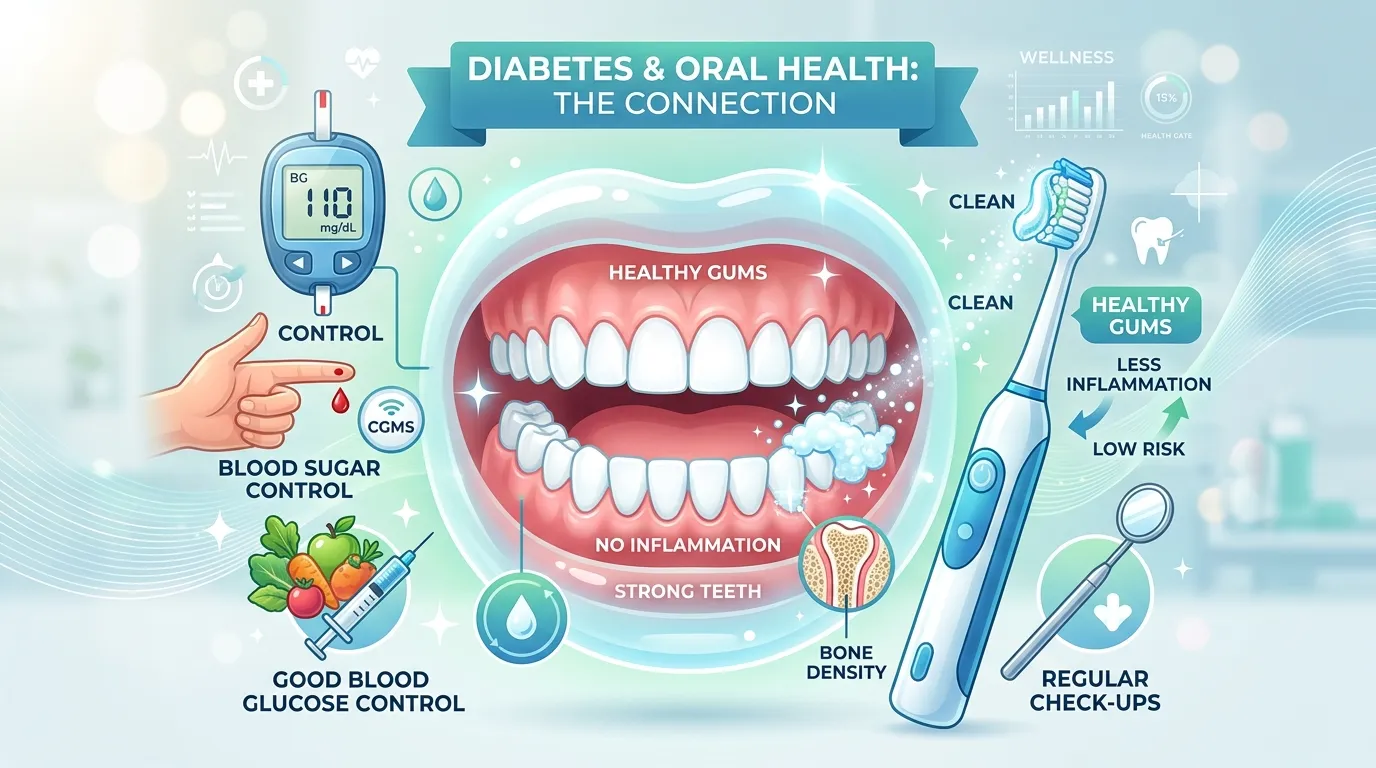
When people think about diabetes complications, they often focus on the heart, kidneys, eyes, nerves, or feet. The mouth may receive less attention, even though diabetes can significantly affect the teeth, gums, tongue, saliva, and tissues that support the teeth.
People with diabetes have a greater risk of periodontal, or gum, disease. They may also be more likely to experience dry mouth, cavities, oral infections, slow healing, and tooth loss. When blood glucose remains elevated, the body may have more difficulty fighting infections, and increased glucose in saliva can encourage plaque and harmful bacteria to grow.
The connection also appears to work in both directions. Diabetes can make gum disease more likely and more severe, while significant gum inflammation may make blood glucose harder to manage. Treating gum disease may improve glycemic control for some people, although dental treatment remains only one part of a complete diabetes care plan.
Fortunately, many oral health problems can be prevented, treated, or controlled through daily hygiene, regular professional care, blood glucose management, and early attention to symptoms.
Why Diabetes Affects the Mouth
Your mouth contains bacteria naturally. Many of these microorganisms are harmless, while others can contribute to cavities and gum disease when plaque is allowed to accumulate.
Plaque is a sticky film that forms on the teeth. Bacteria in plaque use sugars from foods and drinks—and glucose present in saliva—as fuel. When blood glucose is high, glucose levels in saliva may also increase, creating conditions that can encourage plaque buildup and tooth decay.
Diabetes may also affect the mouth by:
- Weakening the body’s response to infection
- Increasing inflammation
- Reducing saliva production
- Slowing the healing of oral tissues
- Increasing the severity of gum disease
- Making dental infections harder to resolve
Good diabetes management helps reduce these risks, but it does not eliminate the need for regular dental care.
Gum Disease and Diabetes
Gum disease is one of the most important oral health concerns associated with diabetes.
Periodontal disease involves inflammation and infection of the gums and supporting bone around the teeth. It usually begins when plaque collects along the gumline.
There are two main stages.
Gingivitis
Gingivitis is the early and milder form of gum disease.
Possible signs include:
- Red gums
- Swollen gums
- Tenderness
- Bleeding during brushing or flossing
- Persistent bad breath
At this stage, the supporting bone has not yet been permanently damaged. Gingivitis can often be reversed with improved oral hygiene and professional cleaning.
Periodontitis
When gingivitis is not treated, inflammation may spread below the gumline and develop into periodontitis.
The gums can pull away from the teeth and form pockets where bacteria collect. Over time, the infection and inflammatory response may damage the tissues and bone that hold teeth in place.
Signs may include:
- Receding gums
- Loose teeth
- New spaces between teeth
- Pain while chewing
- Persistent bad breath
- Changes in the way teeth fit together
- Changes in how dentures fit
Periodontitis cannot usually be reversed completely, but professional treatment can slow or control it. Untreated periodontitis is a leading cause of tooth loss.
Why Gum Disease May Be More Severe with Diabetes
High blood glucose may interfere with immune function and the body’s ability to control infection. It may also intensify inflammation and slow healing.
As a result, people whose diabetes is not well managed may develop gum disease more often, experience more severe disease, or take longer to heal after dental treatment. NIDCR notes that gum disease may also make blood glucose more difficult to control.
This does not mean that every person with diabetes will develop periodontitis. Consistent self-care and professional dental care can substantially reduce the risk.
Dry Mouth
Dry mouth, also called xerostomia, occurs when the mouth does not produce enough saliva.
Saliva helps:
- Wash away food particles
- Neutralize acids
- Limit harmful bacterial growth
- Protect tooth enamel
- Make speaking and swallowing easier
- Keep oral tissues comfortable
When saliva production decreases, the risk of cavities, soreness, ulcers, infection, and difficulty eating may increase. Diabetes itself, dehydration, certain medications, smoking, and some medical treatments can all contribute to dry mouth.
Symptoms may include:
- A sticky or dry feeling
- Cracked lips
- A dry or rough tongue
- Trouble swallowing
- Thick or stringy saliva
- Frequent thirst
- Bad breath
- Mouth sores
- Difficulty wearing dentures
Talk with your dentist or healthcare provider if dry mouth is persistent. Treatment depends on the cause and may include medication review, saliva substitutes, sugar-free gum, hydration strategies, or prescription products.
Cavities
People with diabetes may have an increased risk of untreated cavities. CDC data indicate that adults age 20 or older with diabetes are more likely to have untreated tooth decay than similar adults without diabetes.
Cavities develop when acids produced by bacteria weaken tooth enamel.
Risk may increase with:
- Elevated glucose in saliva
- Dry mouth
- Frequent sugary drinks or snacks
- Inadequate brushing and flossing
- Irregular dental care
- Difficulty cleaning between teeth
Early cavities may not cause pain. Dental checkups can identify decay before it reaches the deeper parts of the tooth.
Oral Thrush
Thrush is a fungal infection caused by an overgrowth of Candida yeast.
People with diabetes may be more susceptible, especially when blood glucose is high, the mouth is dry, dentures are not cleaned properly, or antibiotics have recently been used.
Possible symptoms include:
- White or creamy patches
- Red or sore tissue
- A burning feeling
- Cracks at the corners of the mouth
- Altered taste
- Pain while eating or swallowing
Thrush usually requires antifungal treatment prescribed by a doctor or dentist. Denture wearers may also need special cleaning instructions.
Slow Healing and Oral Infections
Diabetes can slow healing after:
- Tooth extraction
- Gum treatment
- Dental surgery
- Implant placement
- Injury to the mouth
Delayed healing does not mean dental treatment should be avoided. It means the dentist needs complete information about your health and may recommend additional monitoring or coordination with your medical team.
Contact your dentist if you develop:
- Increasing swelling
- Fever
- Pus or drainage
- Worsening pain
- A bad taste that does not go away
- Bleeding that does not stop
- A wound that does not appear to be healing
- Oral infections can spread and should not be ignored.
- Warning Signs to Watch For
- Check your mouth regularly and schedule a dental evaluation when you notice:
- Red, swollen, or tender gums
- Bleeding during brushing or flossing
- Receding gums
- Persistent bad breath
- Loose teeth
- Pain while chewing
- Dryness or burning
- White patches
- Mouth sores
- A bad taste
- Tooth sensitivity
- Changes in denture fit
Gum disease can become advanced before obvious discomfort develops, so the absence of pain does not always mean the mouth is healthy.
Brush Thoroughly Twice a Day
Brush at least twice daily using fluoride toothpaste. CDC specifically recommends brushing twice a day and cleaning between the teeth daily.
For effective brushing:
- Use a soft-bristled toothbrush.
- Hold it at a slight angle toward the gumline.
- Use gentle, short strokes.
- Brush the outer, inner, and chewing surfaces.
- Brush for about two minutes.
- Clean your tongue gently.
- Replace the toothbrush or brush head when the bristles become worn.
Brushing too aggressively can irritate the gums and wear down enamel. Gentle, consistent technique is more effective than heavy pressure.
An electric toothbrush may help people who have arthritis, limited hand strength, or difficulty reaching every tooth.
Clean Between Your Teeth Daily
A toothbrush cannot fully clean the spaces between teeth.
Use one of the following daily:
- Dental floss
- Interdental brushes
- Water flossers
- Floss holders
- Other products recommended by your dental professional
People with bridges, braces, implants, or gum pockets may need specialized tools.
Bleeding during flossing is not a reason to stop. It may be a sign of inflammation and should be discussed with a dentist, especially when it continues after several days of careful cleaning.
Keep Dentures Clean
People who wear full or partial dentures should:
- Remove and clean them daily
- Follow the dentist’s cleaning instructions
- Avoid using products that can damage the material
- Remove dentures at night unless told otherwise
- Clean the gums, tongue, and remaining teeth
- Tell the dentist when dentures feel loose or painful
Poorly fitting dentures may cause sores or make chewing difficult. NIDCR advises people with diabetes to tell their dentist when dentures do not fit properly or gums are sore.
Visit the Dentist Regularly
Regular dental examinations and professional cleanings help identify plaque, tartar, gum disease, cavities, infections, and other concerns before they become severe.
CDC recommends at least a yearly dental exam for people with diabetes, although some individuals may need more frequent visits based on gum disease, dry mouth, previous dental problems, or treatment needs.
Ask your dental team how often you should be seen rather than assuming that one schedule fits everyone.
Tell Your Dentist About Your Diabetes
Your dentist should know:
- Which type of diabetes you have
- Your current medications
- Whether you use insulin
- Your recent glucose patterns
- Your most recent A1C, when available
- Whether you have experienced hypoglycemia
- Other medical conditions
- Medication allergies
- Whether you smoke
- Whether you have kidney, heart, or healing problems
Also tell the dentist if your medications, diagnosis, or health status have changed.
Your medical and dental teams may need to coordinate care before complex procedures.
Prepare Safely for Dental Appointments
Most people with diabetes can receive routine dental treatment safely.
Before an appointment:
- Take medications as directed unless told otherwise.
- Eat your usual meal unless your care team provides different instructions.
- Bring a glucose meter or CGM supplies.
- Carry fast-acting glucose.
- Tell the staff if you feel symptoms of low blood sugar.
- Ask whether special preparation is needed for surgery or sedation.
Morning appointments may be more comfortable for some people, particularly when blood glucose tends to be more predictable earlier in the day.
Never change insulin or other medication solely for a dental appointment without professional guidance.
Manage Blood Glucose
Keeping blood glucose within your individualized target range is one of the most important ways to protect your mouth.
Improved glucose management may help:
- Reduce infection risk
- Support healing
- Lower the severity of gum disease
- Reduce excess glucose in saliva
- Support overall immune function
Healthy oral care can also support diabetes management by reducing chronic inflammation and infection.
Limit Added Sugars and Frequent Snacking
Foods and drinks high in added sugar can contribute to cavities and make blood glucose more difficult to manage.
Limit frequent exposure to:
- Regular soda
- Sweetened tea
- Candy
- Cookies
- Sugary cereals
- Sweetened coffee drinks
- Sticky sweets
- Frequent sipping of juice
Frequency matters. Repeatedly consuming sugary foods or drinks throughout the day exposes teeth to acid for longer periods.
When possible:
- Drink water with meals.
- Choose unsweetened beverages.
- Eat sweets as part of a meal rather than continuously snacking.
- Brush and floss consistently.
- Stay Hydrated
- Drinking water supports saliva production and helps rinse away food particles.
People with kidney disease, heart failure, or other conditions may have fluid restrictions, so hydration guidance should follow the recommendations of their healthcare provider.
Sugar-free gum or lozenges may stimulate saliva for some people, but check labels and ask your dentist which products are appropriate.
Avoid Tobacco
Smoking and other tobacco use increase the risk of gum disease, slow healing, and raise the risk of oral cancer.
Smoking can make oral problems more severe in people with diabetes. CDC and NIDCR both advise tobacco cessation as part of oral health protection.
Support may include:
- Counseling
- Nicotine replacement
- Prescription medication
- Quit programs
- Support from a healthcare or dental professional
- Treatment for Gum Disease
- Treatment depends on severity.
- Professional Cleaning
Routine cleaning removes plaque and hardened tartar from above and near the gumline.
Scaling and Root Planing
This treatment, often called deep cleaning, removes plaque and tartar from below the gumline and smooths the root surfaces.
Medication
A dentist may prescribe:
- Antimicrobial mouth rinse
- Antibiotic medication
- Medication placed directly into gum pockets
- Periodontal Surgery
Advanced disease may require procedures to reduce deep pockets, remove infected tissue, regenerate supporting structures, or improve access for cleaning.
People with periodontitis may be referred to a periodontist, a dentist who specializes in the gums and supporting tissues.
Frequently Asked Questions
Does diabetes automatically cause gum disease?
No. Diabetes increases the risk, particularly when blood glucose is not well managed, but good oral hygiene, regular professional care, and diabetes management can help prevent or control gum disease.
Why do my gums bleed?
Bleeding may be caused by gingivitis, periodontitis, brushing too aggressively, medication effects, or other conditions. Persistent bleeding should be evaluated by a dentist.
Can gum treatment improve blood glucose?
Research suggests that periodontal treatment may modestly improve glycemic control for some people with diabetes. It should support—not replace—medication, nutrition, physical activity, and medical care.
How often should I see a dentist?
At least once a year is commonly recommended, but people with active gum disease or other oral health concerns may need visits more frequently. Follow your dentist’s individualized recommendation.
Is dry mouth dangerous?
Persistent dry mouth can increase the risk of cavities, infection, soreness, and difficulty eating or swallowing. A dentist or healthcare provider can help identify the cause and recommend treatment.
Can I have dental surgery if I have diabetes?
Usually, yes. The dental and medical teams may need to consider glucose control, medications, infection risk, healing, and meal timing. Do not delay necessary care without discussing it with qualified professionals.
Should I use mouthwash?
Mouthwash may be helpful for some people, but it does not replace brushing or cleaning between the teeth. Some products contain alcohol and may worsen dryness. Ask your dentist which type is appropriate.
Key Takeaways
Diabetes and oral health are closely connected. Elevated blood glucose may increase the risk of gum disease, cavities, dry mouth, thrush, infection, slow healing, and tooth loss.
Gum disease may begin with redness and bleeding but can progress to bone loss and loose teeth. Early gingivitis is often reversible, while periodontitis requires professional treatment and ongoing management.
Brush twice daily with fluoride toothpaste, clean between your teeth every day, keep dentures clean, limit added sugars, avoid tobacco, and attend regular dental examinations.
Tell your dentist about your diabetes, medications, glucose patterns, and any history of hypoglycemia or healing problems.
Seek dental care promptly for swelling, persistent bleeding, loose teeth, white patches, mouth sores, pain, or signs of infection.
Protecting your teeth and gums supports your ability to eat, speak, smile, and manage your overall health.
This article provides general educational information and is not a substitute for personalized medical or dental advice.