
Prediabetes: Early Warning Signs and Prevention Strategies
Prediabetes is a common but often overlooked health condition that affects millions of people. It occurs when blood sugar levels are higher than normal but not yet high enough to be diagnosed as diabetes. Although many people with prediabetes feel perfectly healthy, the condition is a critical warning sign that the body is beginning to struggle with blood sugar regulation. Without intervention, prediabetes can progress to Type 2 Diabetes, as well as increase the risk of heart disease, stroke, and other serious complications.
The good news is that prediabetes is both detectable and reversible in many cases. With early awareness and lifestyle changes, many people can return their blood sugar levels to a healthy range and significantly reduce their risk of developing diabetes.
This article explores the early warning signs of prediabetes, how it is diagnosed, and the most effective strategies for prevention.
What Is Prediabetes?
Prediabetes develops when the body begins to have difficulty using insulin efficiently. Insulin is a hormone produced by the pancreas that helps move glucose (sugar) from the bloodstream into cells where it is used for energy.
In people with prediabetes, the body develops Insulin Resistance, meaning cells do not respond properly to insulin. As a result, glucose builds up in the bloodstream.
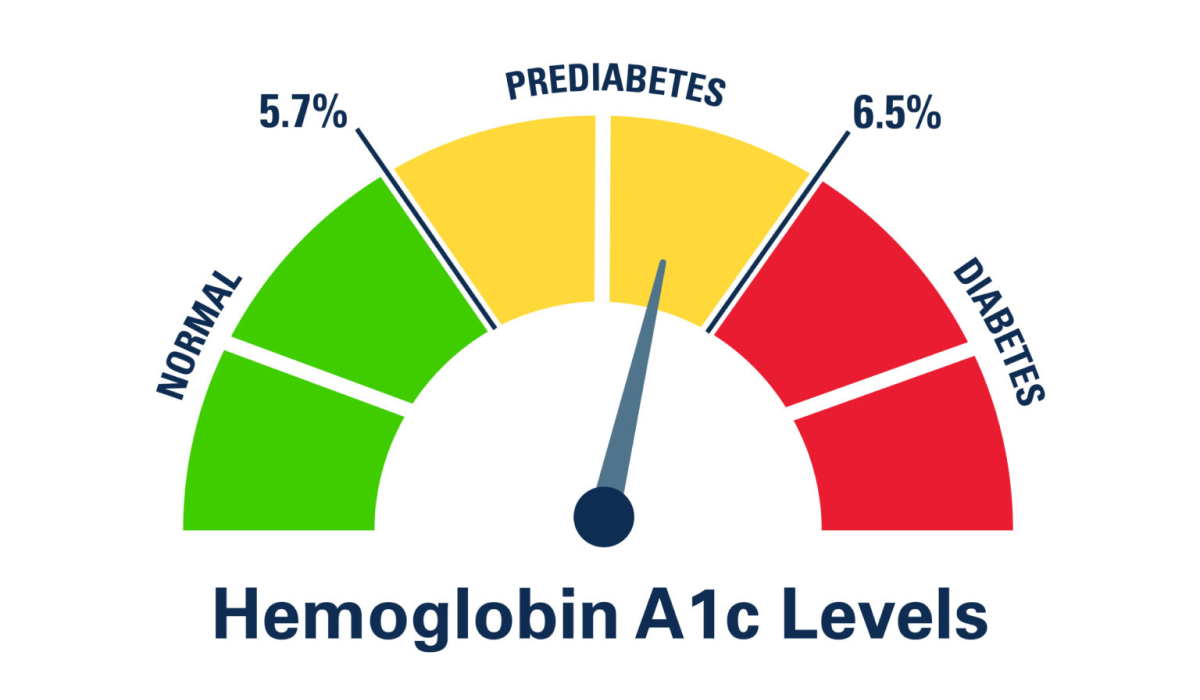
Healthcare providers typically diagnose prediabetes using one of the following tests:
- Fasting blood glucose: 100–125 mg/dL
- A1C test: 5.7%–6.4%
- Oral glucose tolerance test: 140–199 mg/dL after two hours
If blood sugar rises above these ranges, a diagnosis of Type 2 Diabetes may be made.
According to the Centers for Disease Control and Prevention, more than one in three adults in the United States has prediabetes, yet most people are unaware they have it.
Early Warning Signs of Prediabetes
One of the challenges of identifying prediabetes is that it often produces few or no noticeable symptoms. However, some individuals may experience subtle warning signs.
1. Increased Thirst and Frequent Urination
When blood sugar levels are elevated, the kidneys work harder to remove excess glucose through urine. This can lead to:
- Frequent trips to the bathroom
- Increased thirst
- Dehydration
2. Fatigue
High blood sugar can interfere with the body’s ability to use glucose for energy. When cells cannot access the fuel they need, people may feel unusually tired or sluggish even after adequate sleep.
3. Blurred Vision
Temporary changes in blood sugar levels can affect the shape of the eye’s lens, leading to occasional blurry vision. Although this symptom may come and go, it can be an early indicator that glucose regulation is becoming unstable.
4. Darkened Skin Patches
A condition called Acanthosis Nigricans may appear in some people with insulin resistance. It causes dark, velvety patches of skin that commonly develop in areas such as:
- The back of the neck
- Armpits
- Groin
- Elbows or knees
5. Slow Healing of Cuts or Wounds
High blood sugar can impair circulation and the body’s natural healing processes. If minor injuries take longer than usual to heal, it may indicate blood sugar levels are rising.
Risk Factors for Prediabetes
Several factors increase the likelihood of developing prediabetes. Some of these are lifestyle-related and can be modified, while others are genetic or age-related.
- Being overweight or obese
- Lack of regular physical activity
- Age over 45
- Family history of Type 2 Diabetes
- High blood pressure
- Abnormal cholesterol levels
- History of Gestational Diabetes during pregnancy
- Certain ethnic backgrounds with higher diabetes risk
Having one or more of these risk factors does not guarantee someone will develop diabetes, but it does increase the importance of regular screening and preventive steps.
Why Prediabetes Should Not Be Ignored
Even before diabetes develops, elevated blood sugar can begin damaging blood vessels and nerves.
- Heart Disease
- Stroke
- Nerve damage (neuropathy)
- Kidney disease
- Eye problems
Early intervention can significantly reduce these risks and prevent long-term complications.
Prevention Strategies
The most effective way to stop prediabetes from progressing is through lifestyle changes that improve blood sugar control. Research has shown that relatively small changes can produce major health benefits.
1. Maintain a Healthy Weight
Excess body fat, particularly around the abdomen, contributes to insulin resistance. Losing even 5–7% of body weight can significantly improve insulin sensitivity.
For example, a person weighing 200 pounds may see meaningful health improvements by losing just 10–14 pounds.
Weight loss should be gradual and sustainable, focusing on long-term habits rather than restrictive dieting.
2. Increase Physical Activity
Regular exercise helps muscles use glucose more efficiently, which lowers blood sugar levels.
- At least 150 minutes of moderate exercise per week
- Brisk walking
- Swimming
- Cycling
- Dancing
Resistance training such as weightlifting can also improve insulin sensitivity and support metabolic health.
3. Follow a Balanced Diet
Diet plays a crucial role in blood sugar management. A balanced eating plan for preventing diabetes should focus on:
High-fiber foods
- Vegetables
- Fruits
- Whole grains
- Beans and legumes
Lean proteins
- Fish
- Chicken
- Tofu
- Eggs
Healthy fats
- Avocados
- Nuts
- Olive oil
Reducing intake of highly processed foods, sugary drinks, and refined carbohydrates can help prevent spikes in blood sugar.
4. Improve Sleep Quality
Poor sleep and chronic sleep deprivation have been linked to insulin resistance and higher blood sugar levels.
Adults should aim for 7–9 hours of quality sleep per night. Establishing consistent sleep routines and limiting screen time before bed may improve sleep quality.
5. Manage Stress
Chronic stress triggers the release of hormones such as cortisol that can raise blood sugar levels.
- Meditation
- Yoga
- Deep breathing exercises
- Spending time outdoors
- Talking with supportive friends or family
Even short daily relaxation practices can make a difference in metabolic health.
6. Get Regular Blood Sugar Screenings
Because prediabetes often has no symptoms, routine screening is essential—especially for individuals with risk factors.
Doctors may recommend testing every 1–3 years depending on personal risk.
Early detection provides an opportunity to intervene before permanent damage occurs.
Can Prediabetes Be Reversed?
In many cases, yes.
Studies have shown that individuals who adopt healthier eating habits, increase physical activity, and lose modest amounts of weight can return their blood sugar levels to normal ranges.
Programs such as the National Diabetes Prevention Program, supported by the Centers for Disease Control and Prevention, have demonstrated that structured lifestyle interventions can reduce the risk of developing Type 2 Diabetes by up to 58 percent.
This highlights the powerful impact that everyday habits can have on long-term health.
When to Speak With a Healthcare Provider
Anyone who experiences possible symptoms of prediabetes or who has multiple risk factors should consider discussing screening with their healthcare provider.
- Are overweight
- Have a family history of diabetes
- Have high blood pressure or abnormal cholesterol
- Are over age 45
- Previously had Gestational Diabetes
Early testing can provide valuable information and help guide preventive care.
Final Thoughts
Prediabetes is a serious but manageable condition that serves as an early warning sign for future health problems. While it often develops silently, simple blood tests can detect it before complications arise.
The most important message for patients is that prediabetes does not have to lead to diabetes. Through healthy lifestyle choices—such as regular exercise, balanced nutrition, weight management, and routine medical care—many people can stop or even reverse the progression of the condition.
Taking action early can protect long-term health and significantly reduce the risk of developing Type 2 Diabetes, heart disease, and other complications.
For individuals concerned about their risk, speaking with a healthcare professional and adopting preventive habits today may make all the difference for a healthier future.