
Protecting Your Kidneys When You Have Diabetes: A Complete Guide to Preventing Diabetic Kidney Disease
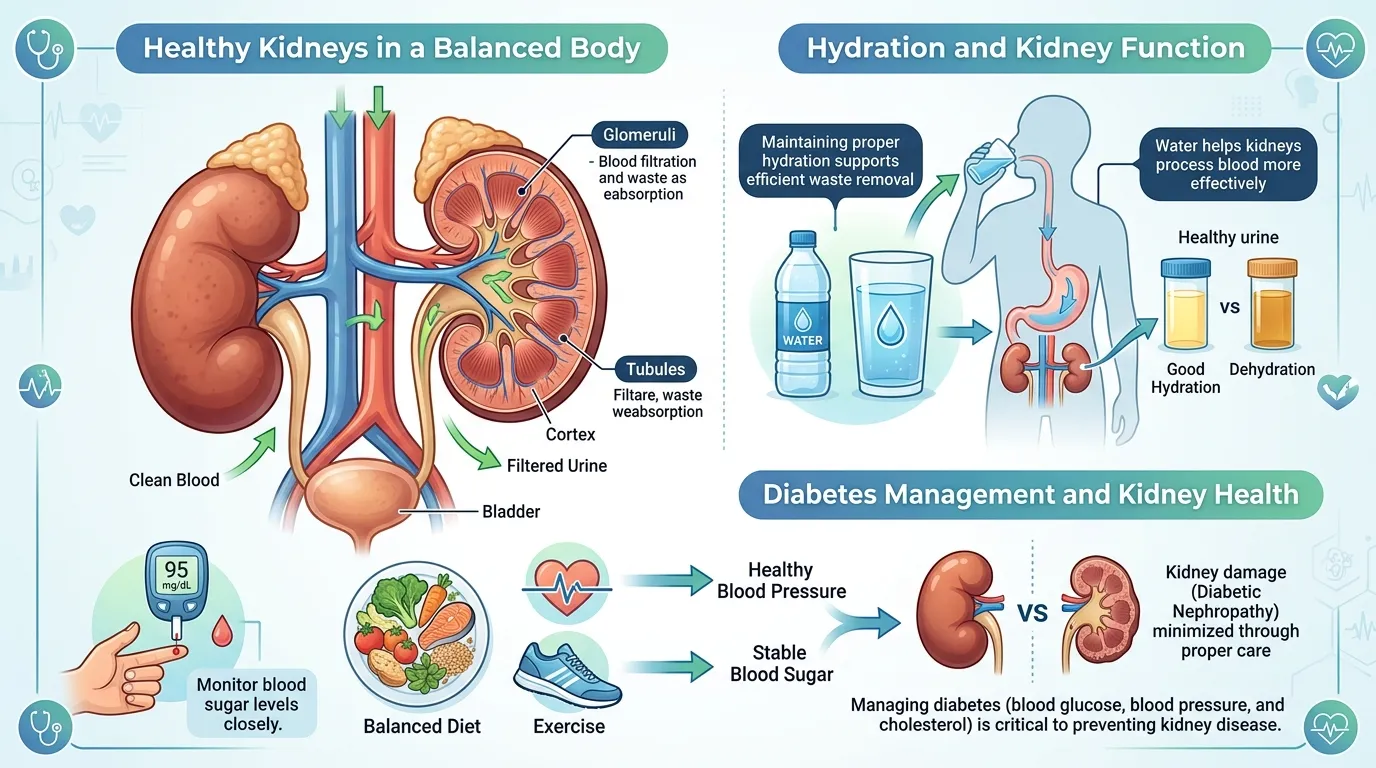
Your kidneys work around the clock to keep your body healthy. Every day, these two bean-shaped organs filter waste products, remove excess fluid, balance electrolytes, help regulate blood pressure, and support healthy red blood cell production.
For people living with diabetes, maintaining kidney health is especially important. Over time, consistently high blood glucose levels can damage the tiny blood vessels inside the kidneys, reducing their ability to filter waste effectively. This condition, known as diabetic kidney disease (also called diabetic nephropathy), is one of the most common complications of diabetes.
The encouraging news is that diabetic kidney disease often develops gradually, and many cases can be delayed—or even prevented—with early detection and good diabetes management.
This guide explains how diabetes affects the kidneys, the warning signs to watch for, and the everyday habits that can help protect your kidney function for years to come.
Understanding How the Kidneys Work
Although they're only about the size of a fist, your kidneys perform several vital functions.
Healthy kidneys:
- Filter waste products from the blood
- Remove excess water through urine
- Maintain healthy electrolyte levels
- Help regulate blood pressure
- Produce hormones involved in red blood cell production
- Support bone health by activating vitamin D
Inside each kidney are approximately one million tiny filtering units called nephrons. Each nephron contains delicate blood vessels that continuously clean your blood throughout the day.
Because these blood vessels are so small, they are particularly vulnerable to damage from persistently elevated blood glucose and high blood pressure.
What Is Diabetic Kidney Disease?
Diabetic kidney disease occurs when high blood glucose damages the kidneys' filtering system.
Over time:
- The kidney filters become less efficient.
- Protein may begin leaking into the urine.
- Waste products accumulate in the bloodstream.
- Kidney function gradually declines.
Without treatment, diabetic kidney disease may progress to chronic kidney disease (CKD) and, in severe cases, kidney failure requiring dialysis or a kidney transplant.
Not everyone with diabetes develops kidney disease, but the risk increases when blood sugar and blood pressure remain uncontrolled over many years.
Why Diabetes Increases the Risk
High blood glucose affects nearly every blood vessel in the body.
Within the kidneys, excess glucose places additional stress on the delicate filtering units.
At the same time, diabetes often contributes to:
- High blood pressure
- Chronic inflammation
- Damage to blood vessels
- Increased workload on the kidneys
Together, these factors gradually reduce the kidneys' ability to function normally.
People with both diabetes and hypertension face an even greater risk of kidney complications.
Risk Factors for Diabetic Kidney Disease
Several factors increase the likelihood of developing kidney disease.
Some risk factors cannot be changed, while others can be managed.
Common risk factors include:
- Poorly controlled blood glucose
- High blood pressure
- High cholesterol
- Smoking
- Obesity
- Family history of kidney disease
- Long duration of diabetes
- Cardiovascular disease
The presence of multiple risk factors further increases the importance of regular kidney screening.
Early Kidney Disease Often Has No Symptoms
One of the biggest challenges with diabetic kidney disease is that it usually develops silently.
Many people feel completely healthy during the early stages.
Symptoms often do not appear until significant kidney damage has already occurred.
This is why routine screening is essential—even if you feel well.
Possible Warning Signs
As kidney disease progresses, symptoms may include:
- Swelling of the feet, ankles, or legs
- Puffiness around the eyes
- Fatigue
- Difficulty concentrating
- Loss of appetite
- Nausea
- Muscle cramps
- Dry, itchy skin
- Increased need to urinate at night
- Foamy urine caused by excess protein
These symptoms are not unique to kidney disease, but they should always be discussed with your healthcare provider promptly.
Regular Kidney Screening Is Essential
Early detection allows treatment to begin before significant kidney damage occurs.
Healthcare providers commonly recommend:
- Urine Albumin-to-Creatinine Ratio (uACR)
- This urine test measures whether protein (albumin) is leaking into the urine.
- Healthy kidneys keep most protein in the bloodstream.
Even small amounts of albumin in the urine may be an early sign of kidney damage.
Estimated Glomerular Filtration Rate (eGFR)
This blood test estimates how efficiently your kidneys filter waste products.
Your healthcare provider uses your creatinine level, age, sex, and other factors to calculate your eGFR.
Monitoring both uACR and eGFR provides a clearer picture of kidney health over time.
Keep Blood Glucose Within Your Target Range
Managing blood sugar remains one of the most effective ways to reduce the risk of diabetic kidney disease.
Consistently elevated blood glucose places extra strain on the kidneys and accelerates damage to the filtering units.
Strategies that support healthy blood glucose management include:
- Taking diabetes medications as prescribed
- Monitoring blood glucose regularly
- Following a balanced meal plan
- Staying physically active
- Attending regular medical appointments
Even modest improvements in blood sugar management can help reduce the risk of long-term complications.
Control Blood Pressure
High blood pressure is one of the strongest predictors of kidney disease progression.
For many people with diabetes, controlling blood pressure is just as important as managing blood glucose.
Healthy habits that support blood pressure include:
- Limiting sodium intake
Eating more fruits and vegetables (as appropriate for your individual health needs)
Exercising regularly
Maintaining a healthy weight
Taking prescribed blood pressure medications consistently
Many healthcare providers prescribe medications such as ACE inhibitors or ARBs because they may help protect kidney function in addition to lowering blood pressure.
Kidney-Friendly Eating Habits
A balanced eating pattern plays an important role in protecting your kidneys and supporting overall diabetes management.
Focus on meals that include:
- Plenty of non-starchy vegetables
- High-fiber carbohydrates such as whole grains, beans, and lentils
- Lean protein sources like fish, skinless poultry, tofu, and legumes
- Heart-healthy fats from foods such as olive oil, avocados, nuts, and seeds
Limiting foods high in added sugars, saturated fats, and sodium may help reduce stress on both the kidneys and the cardiovascular system.
If kidney disease has already developed, your healthcare provider or a registered dietitian may recommend adjusting your intake of nutrients such as protein, sodium, potassium, or phosphorus based on your individual stage of kidney disease. These dietary changes should always be personalized rather than followed without medical guidance.
Stay Hydrated
Proper hydration helps the kidneys remove waste products and maintain normal body functions.
For most people, drinking water throughout the day is the best choice.
Your fluid needs depend on factors such as:
- Activity level
- Climate
- Medications
- Overall health
- Existing kidney function
Unless your healthcare provider has advised you to limit fluids, aim to drink water regularly throughout the day rather than waiting until you feel thirsty.
Replacing sugar-sweetened beverages with water or unsweetened drinks can also support better blood glucose management.
Be Careful with Over-the-Counter Medications
Some medications can affect kidney function, particularly when taken frequently or in high doses.
For example, long-term or excessive use of certain nonsteroidal anti-inflammatory drugs (NSAIDs), such as ibuprofen or naproxen, may increase the risk of kidney injury in some individuals.
Always:
- Follow dosing instructions carefully.
Tell your healthcare provider about all prescription and over-the-counter medications you take.
Ask before starting new supplements or herbal products, as some may affect kidney health or interact with diabetes medications.
Never stop or change prescribed medications without consulting your healthcare provider.
Quit Smoking If You Smoke
Smoking damages blood vessels throughout the body, including those that supply the kidneys.
For people with diabetes, smoking can:
- Accelerate kidney damage
- Increase blood pressure
- Worsen cardiovascular health
- Raise the risk of heart attack and stroke
Quitting smoking provides benefits at every stage of health. If you're having difficulty quitting, your healthcare provider can recommend counseling, medications, or smoking cessation programs that may improve your chances of success.
Stay Physically Active
Regular physical activity supports several factors that influence kidney health.
Exercise can help:
- Improve blood glucose management
- Lower blood pressure
- Maintain a healthy weight
- Improve cholesterol levels
- Support heart health
Many adults benefit from aiming for at least 150 minutes of moderate-intensity physical activity each week, along with muscle-strengthening activities on two or more days each week, unless advised otherwise by their healthcare provider.
Choose activities you enjoy, such as:
- Walking
- Swimming
- Cycling
- Dancing
- Strength training
- Chair exercises for those with mobility limitations
- Manage Other Health Conditions
- Kidney health is closely connected to overall health.
- Managing additional conditions such as:
- High cholesterol
- Heart disease
- Obesity
- Sleep apnea
- may help reduce the risk of further kidney damage.
Regular follow-up appointments allow your healthcare team to monitor these conditions and adjust your treatment plan as needed.
Keep Up with Routine Medical Care
Routine healthcare visits are one of the most effective ways to detect kidney problems early.
Your healthcare provider may recommend regular monitoring of:
- Blood glucose (including A1C)
- Blood pressure
- Cholesterol
- Kidney function (eGFR)
- Urine albumin (uACR)
Tracking these measurements over time allows small changes to be identified before serious complications develop.
Can Kidney Damage Be Reversed?
The answer depends on the stage of kidney disease.
Early kidney damage may improve or stabilize when blood glucose, blood pressure, and other risk factors are well managed.
More advanced kidney damage usually cannot be completely reversed, but appropriate treatment may help slow its progression and preserve kidney function for as long as possible.
This is why early detection is so important.
Protecting Your Kidneys Is a Long-Term Investment
Healthy kidneys support nearly every system in the body.
Although diabetic kidney disease is a serious complication, it is not inevitable.
Consistently managing blood glucose, controlling blood pressure, eating a balanced diet, staying active, avoiding smoking, and attending regular medical appointments all contribute to protecting kidney function.
Small, sustainable habits practiced every day often provide the greatest long-term benefit.
Frequently Asked Questions
Can diabetes cause kidney disease?
Yes. Persistently elevated blood glucose can damage the kidneys' small blood vessels over time, increasing the risk of diabetic kidney disease.
How often should kidney function be checked?
Many adults with diabetes are advised to have kidney function assessed at least once a year using tests such as the urine albumin-to-creatinine ratio (uACR) and estimated glomerular filtration rate (eGFR). Your healthcare provider may recommend more frequent testing based on your health needs.
Is protein bad for the kidneys?
Protein is an important nutrient and is not harmful for most people with healthy kidney function. However, individuals with advanced chronic kidney disease may need to adjust protein intake under the guidance of a healthcare provider or registered dietitian.
Can drinking more water prevent kidney disease?
Staying adequately hydrated supports overall kidney health, but drinking excessive amounts of water does not prevent diabetic kidney disease. Blood glucose and blood pressure management remain the most important protective strategies.
Can kidney disease develop without symptoms?
Yes. Early diabetic kidney disease often causes no noticeable symptoms, making regular screening essential for early detection.
Key Takeaways
Diabetes can damage the kidneys' filtering system over time, increasing the risk of diabetic kidney disease.
Early kidney disease often has no symptoms, making routine screening with uACR and eGFR especially important.
Keeping blood glucose and blood pressure within target ranges helps reduce the risk of kidney damage.
A balanced eating pattern, regular physical activity, smoking cessation, and maintaining a healthy weight all support kidney health.
Stay hydrated and use over-the-counter medications responsibly, especially NSAIDs, which can affect kidney function in some people.
Work closely with your healthcare team to monitor kidney health and manage other conditions such as high blood pressure and high cholesterol.
Early detection and consistent management can help slow or even delay the progression of diabetic kidney disease.